- Sports
How Climate Change Is Quietly Changing The Future Of Sports
- Jun 05, 2026
- 5 min
Key Takeaways
- Climate change is affecting sporting events globally
- Athlete performance is increasingly impacted by extreme weather
- Sustainable sports infrastructure is becoming important
- Sports organizations are promoting environmental responsibility
- Low-impact sports may gain more relevance in the future
- Green sports business opportunities are growing rapidly
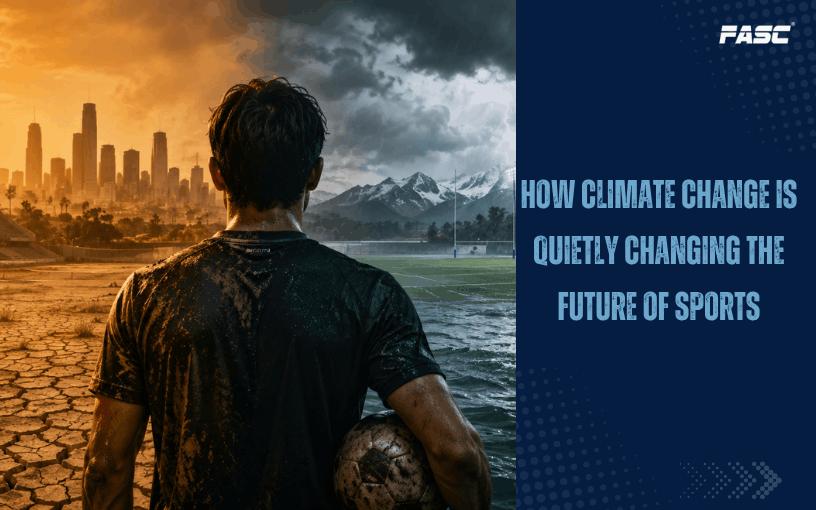
For years, sports and climate change were rarely discussed together. But today, that conversation is becoming impossible to ignore.
Extreme heat, rising pollution levels, heavy rainfall, floods, and unpredictable weather conditions are slowly beginning to impact how sports are played, organized, and experienced around the world.
From cricket matches interrupted due to poor air quality to football tournaments being scheduled around dangerous heat conditions, climate change is quietly becoming a serious challenge for the global sports industry. And this challenge is not only affecting athletes.
It is affecting:
- Infrastructure
- Sporting events
- Recovery systems
- Fan experience
- Travel
- Sports business ecosystems
The future of sports may increasingly depend on how well the industry adapts to environmental change.

Extreme Weather Is Changing Sports Conditions
One of the most visible effects of climate change in sports is rising temperatures.
Athletes today are competing more frequently in:
- Extreme heat
- Humid conditions
- Longer summer seasons
This directly affects:
- Endurance
- Hydration
- Recovery
- Injury risk
- Overall performance
Several global tournaments have already faced criticism due to unsafe weather conditions for athletes and spectators.
As climate patterns continue changing, sports organizations may need to rethink:
- Tournament calendars
- Training schedules
- Venue planning
- Athlete recovery systems
Outdoor Sports Are Becoming More Vulnerable
Most outdoor sports are highly dependent on weather stability.
But climate uncertainty is increasing disruptions across:
- Cricket
- Football
- Marathons
- Tennis
- Cycling events
Heavy rainfall, storms, floods, and poor air quality are leading to:
- Delayed matches
- Venue damage
- Scheduling chaos
- Financial losses
- Reduced audience experience
This is pushing sports organizations to invest more in climate-resilient infrastructure and smarter event planning.
Sustainable Sports Infrastructure Is Becoming The Future
The next generation of sports venues may focus not only on size and aesthetics but also on sustainability.
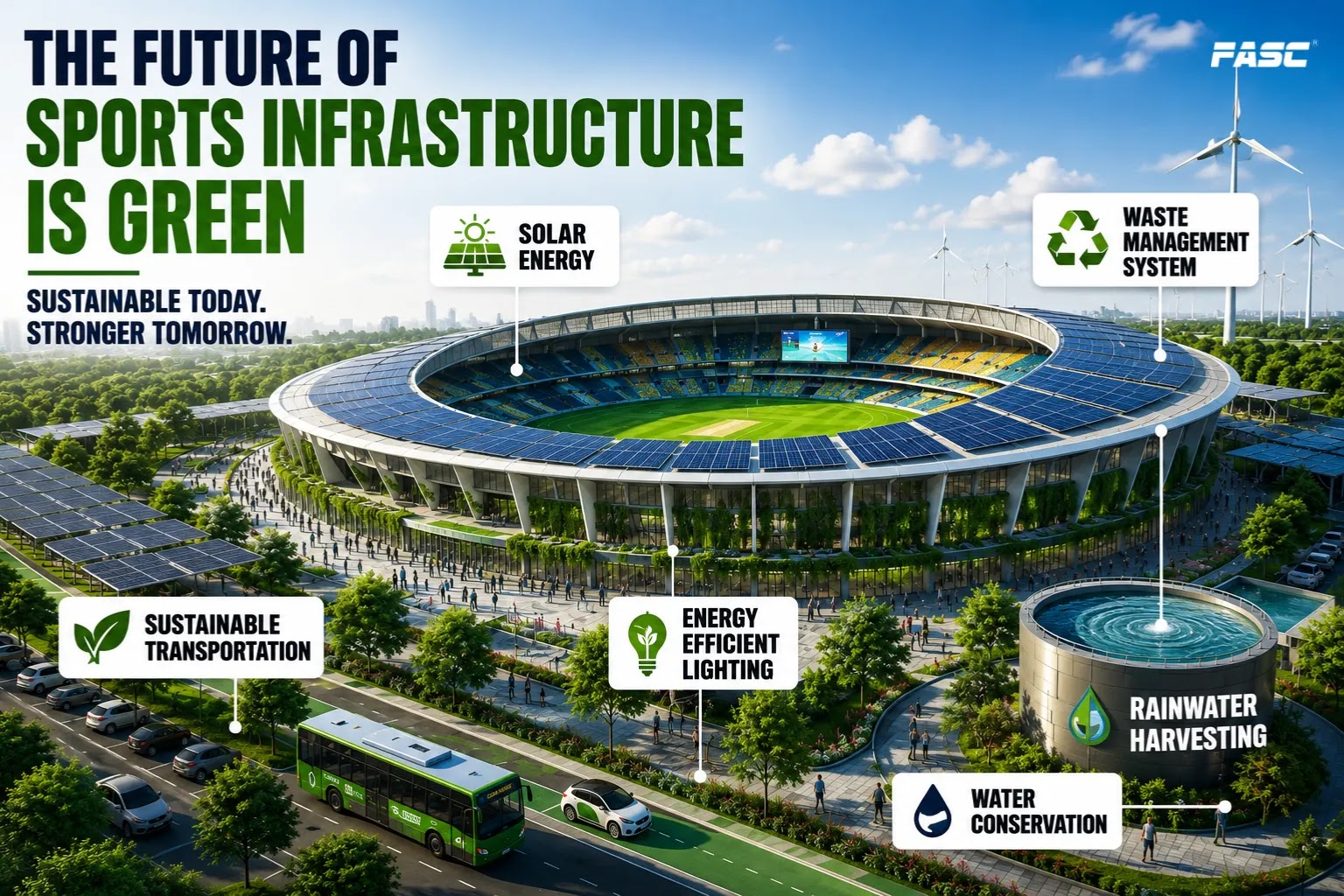
Modern sports infrastructure is increasingly exploring:
- Solar-powered stadiums
- Rainwater harvesting systems
- Sustainable construction materials
- Energy-efficient lighting
- Waste management systems
Globally, many sports organizations are beginning to understand that future-ready infrastructure must also be environmentally responsible.
Why Green Stadiums Matter
Large stadiums consume massive amounts of:
- Electricity
- Water
- Transportation resources
- Operational energy
As sports events continue growing in scale, sustainability may become a major part of infrastructure planning.
Future sports venues may increasingly focus on:
- Reducing carbon footprints
- Renewable energy usage
- Eco-friendly transportation access
- Smart energy management systems
Sports Organizations Are Taking Climate Change Seriously
Organizations like:
- The United Nations (UN)
- FIFA
- International Olympic Committee (IOC)
- ICC
- BCCI
are increasingly discussing sustainability and environmental responsibility in sports.
Why?
Because sports have enormous global influence. Millions of people engage with sports daily, making it one of the most powerful platforms for spreading awareness and encouraging sustainable practices.
Sports events today involve:
- International travel
- Large-scale infrastructure
- High energy consumption
- Significant waste generation
As climate concerns grow globally, sports organizations are being pushed toward greener operational models.
Low-Impact Sports Could Gain More Relevance
An interesting shift may also happen in the popularity and relevance of certain sports activities.
Low-impact activities like:
- Cycling
- Running
- Walking
- Outdoor fitness communities
generally create far lower emissions compared to:
- Motorsports
- Heavily stadium-reliant sports
- Large-scale energy-intensive sporting events
As sustainability becomes a larger global priority, eco-friendly participation models may become increasingly important.

Why Recreational Sports Could Grow Faster
Cities around the world are increasingly investing in:
- Cycling tracks
- Public running spaces
- Outdoor fitness infrastructure
- Community sports parks
These activities:
- Encourage healthier lifestyles
- Require lower infrastructure costs
- Create less environmental impact
- Support long-term sustainability goals
This could influence how future sports ecosystems are designed.
Climate Change Is Also Creating Sports Business Opportunities
While climate change presents challenges, it is also creating entirely new opportunities inside the sports industry.
The rise of sustainable sports ecosystems is driving growth in:
- Eco-friendly sports apparel
- Green event management
- Sustainable sports equipment
- Renewable-powered sports infrastructure
- Climate-conscious sports startups
This could become a major business category over the next decade. As consumers become more environmentally aware, sustainability may become a competitive advantage for sports brands and organizations.
Athlete Health And Recovery Will Become More Important
Changing environmental conditions are directly impacting athlete health.
This is increasing demand for:
- Sports science
- Recovery technology
- Hydration systems
- Indoor training facilities
- Climate-adaptive performance monitoring
The future sports ecosystem may become much more focused on long-term physical sustainability and athlete protection.
The Future Of Sports May Depend On Climate Adaptation
Sports have always evolved with social and technological changes. Now it may also need to evolve with environmental change.
The future may involve:
- smarter stadiums
- sustainable sporting events
- climate-friendly infrastructure
- eco-conscious sports communities
- greener transportation systems
Because climate change is no longer separate from sports. It is slowly becoming part of the conversation shaping its future.
Conclusion
Climate change is quietly becoming one of the biggest long-term influences on the global sports industry.
From athlete performance and event scheduling to infrastructure and sustainability, the effects are becoming increasingly visible across every part of the sports ecosystem.
At the same time, this transformation is also creating opportunities for:
- Innovation
- Sustainable infrastructure
- Green sports business
- Eco-friendly participation models
The future of sports may not only be defined by competition and entertainment.
It may also be defined by how responsibly and sustainably the industry adapts to a changing planet.
Recommended products from FASC Coach
FAQs
1. How does climate change affect sports?
Climate change affects sports through extreme heat, weather disruptions, poor air quality, athlete health concerns, and infrastructure challenges.
2. Why are sports organizations promoting sustainability?
Sports organizations are focusing on sustainability to reduce environmental impact and encourage climate-conscious practices globally.
3. What is sustainable sports infrastructure?
Sustainable sports infrastructure includes eco-friendly stadiums, renewable energy systems, rainwater harvesting, and energy-efficient sports facilities.
4. Which sports have lower environmental impact?
Activities like cycling, running, and walking generally have lower emissions impact compared to motorsports or heavily stadium-dependent sports.
5. How can sports contribute to environmental awareness?
Sports can spread environmental awareness globally by promoting sustainable practices, eco-friendly events, and climate-conscious lifestyles.
Share :