- Fitness
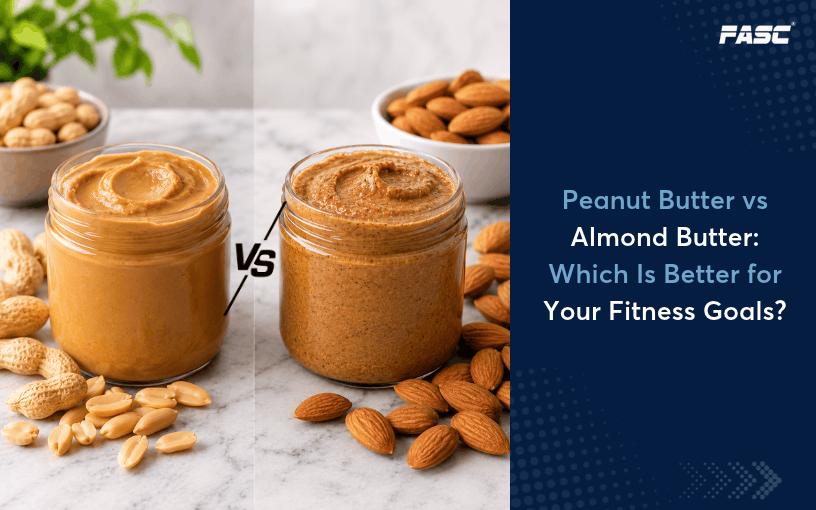
Peanut Butter vs Almond Butter: Which Is Better for Your Fitness Goals?
- Nov 20, 2026
- 3 min
Key Takeaways
- Peanut butter offers slightly more protein in typical servings.
- Almond butter generally provides more fibre, vitamin E and magnesium.
- Both contain beneficial unsaturated fats.
- Neither directly causes muscle growth or fat loss.
- Portion control and ingredient quality matter when choosing either spread.
Peanut Butter vs Almond Butter: What's the Difference?
Peanut butter is made from roasted and ground peanuts, while almond butter is made from ground almonds. Both are nutrient-dense spreads that provide energy, protein and fats.
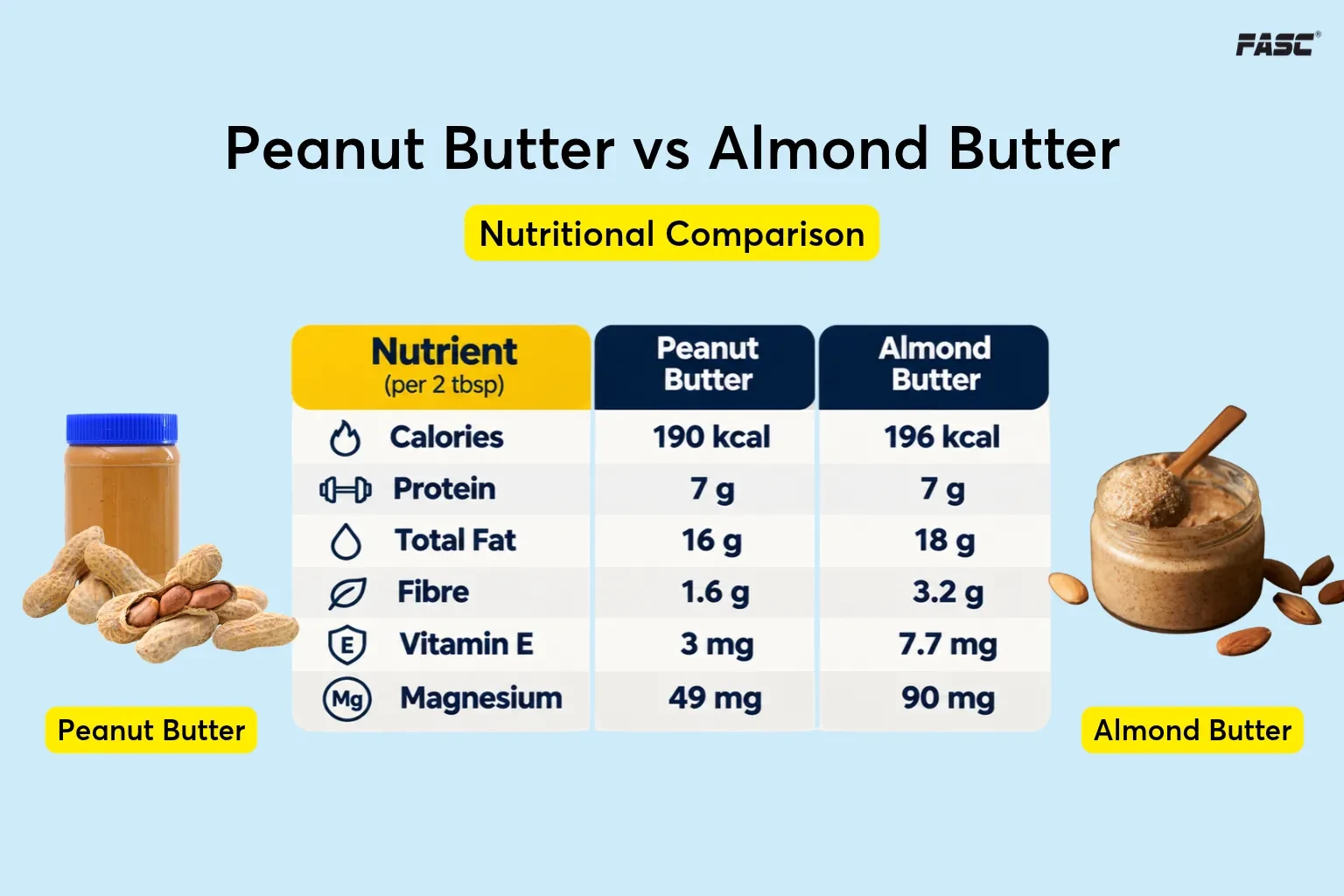
According to the University of Connecticut's nutrition guide to nut and seed butters, both options provide valuable nutrients, although their protein, fibre, vitamin and mineral content differs.
Let's compare them to understand which one suits your needs.
1. Nutritional Comparison: Peanut Butter vs Almond Butter
2. Which Is Better for Muscle Growth?
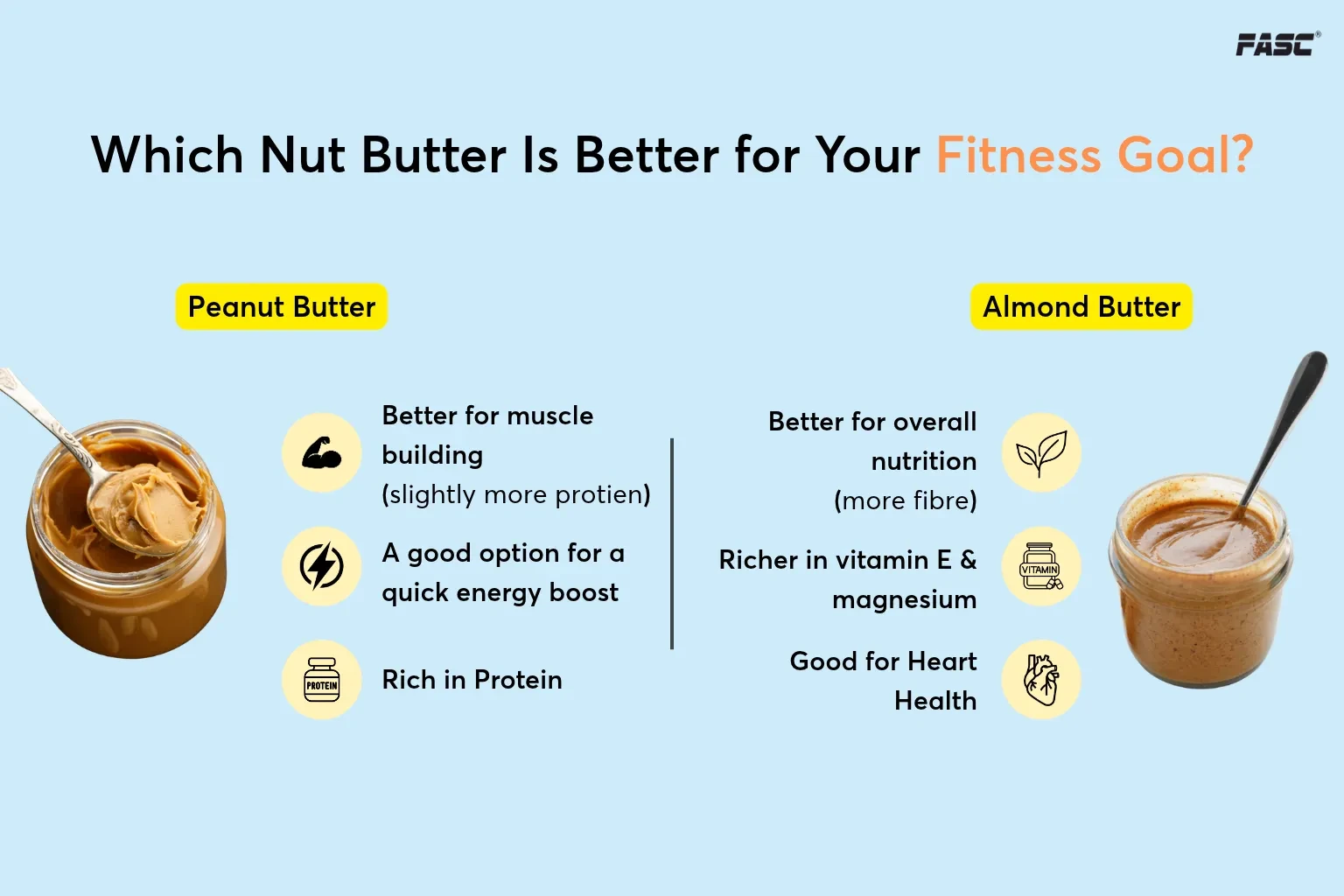
If muscle growth is your primary goal, peanut butter has a slight advantage in protein content.
However, neither spread should be treated as a primary protein source. Both provide only around 7 grams of protein per serving.
You can include either in a balanced diet alongside protein-rich foods such as eggs, paneer, milk, chicken, tofu and legumes. Getting enough protein throughout the day, along with resistance training, matters more than choosing one nut butter over the other.
3. Which Is Better for Weight Loss?
Neither peanut butter nor almond butter directly causes fat loss. Both are calorie-dense because they contain a significant amount of fat.
Their protein and fibre can contribute to fullness, potentially helping you manage hunger. However, portion control is important.
If weight management is your goal, measure your servings instead of eating directly from the jar. A small portion can fit comfortably into a balanced diet.
4. Which Has Better Healthy Fats?
Both spreads contain predominantly unsaturated fats, which can be part of a heart-conscious eating pattern.
Almond butter generally contains more monounsaturated fat, while peanut butter also provides a useful mix of unsaturated fats.
Both can be included in a balanced diet, so your choice can depend on taste, nutritional preferences and budget.
5. Which Is Better Before or After a Workout?
Both can be useful additions to workout meals and snacks.
-
Before a workout: Peanut or almond butter on whole-wheat toast or with a banana can provide energy. Keep portions moderate, particularly before intense exercise.
-
After a workout: Pair either spread with milk, Greek yoghurt or another protein source to make your recovery snack more balanced.
Your overall meal timing and daily nutritional intake matter more than choosing one spread over the other. A balanced approach to pre- and post-workout nutrition can help support training and recovery.
6. How to Choose the Right Nut Butter
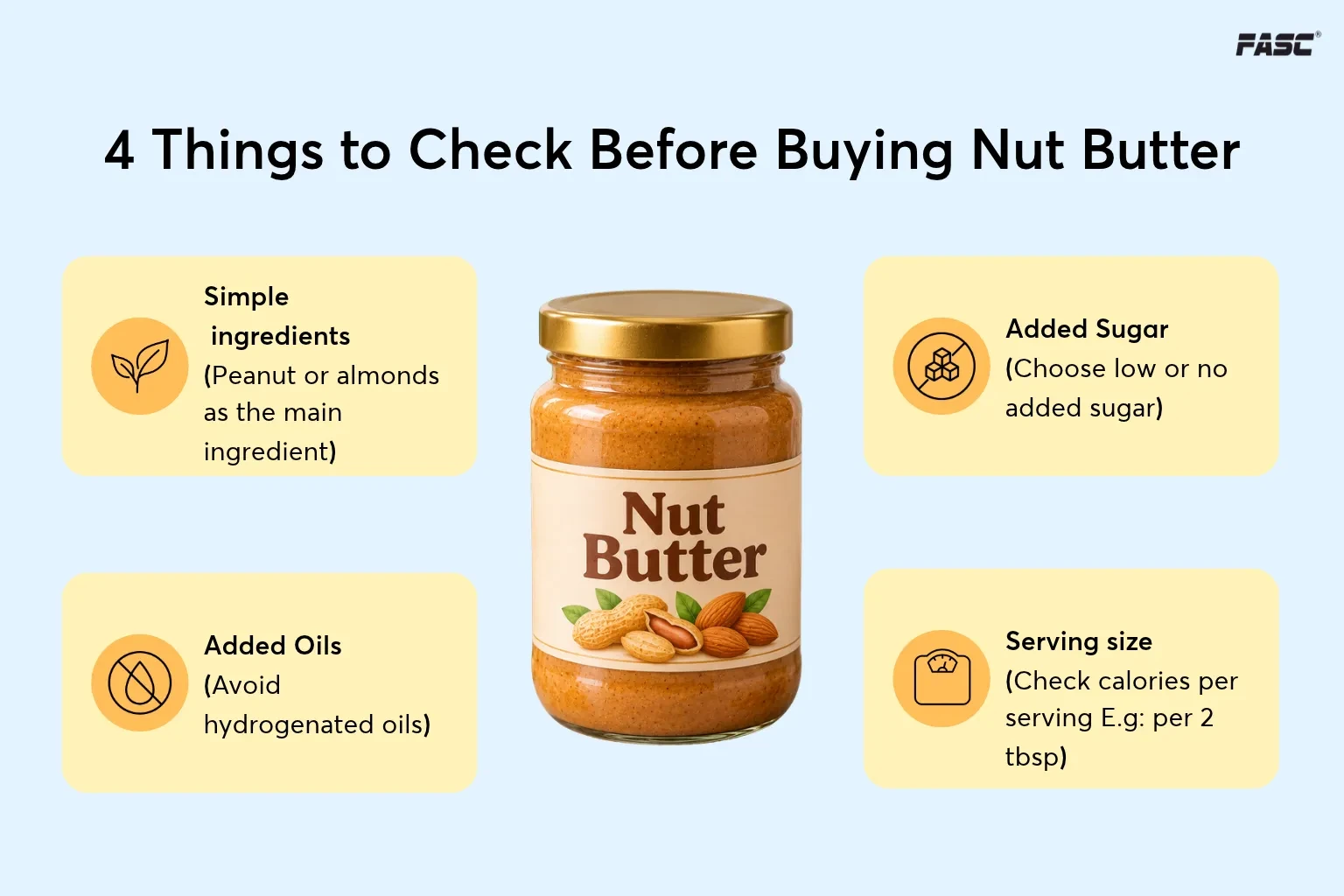
Before buying, check the ingredient list and nutrition label.
-
Choose products with peanuts or almonds as the main ingredient.
-
Avoid unnecessary added sugars and hydrogenated oils.
-
Compare sodium and added sugar content.
-
Check the serving size and calorie information.
-
Consider your budget, taste and dietary preferences.
For an active lifestyle, nut butters can complement other nutrient-rich foods as part of a balanced sports nutrition plan.
Recommended Products From FASC Coach
Conclusion
Peanut butter and almond butter can both be part of a fitness-focused diet. Choose peanut butter for a slightly higher protein content or almond butter for more fibre and certain micronutrients. Ultimately, the best choice is the one that fits your nutritional needs, preferences and daily routine.
Frequently Asked Questions (FAQs)
1. Which has more protein: peanut butter or almond butter?
Peanut butter generally contains slightly more protein, although both provide approximately 7 grams per two-tablespoon serving.
2. Is almond butter healthier than peanut butter?
Not necessarily. Almond butter offers more fibre and certain micronutrients, while peanut butter provides slightly more protein. Both can be nutritious choices.
3. Can I eat peanut butter every day?
Yes, provided it fits your nutritional needs and calorie intake. Choose a suitable portion and check for added sugar and unnecessary oils.
4. Which is better for weight loss?
Neither is automatically better. Both are calorie-dense, so portion control and your overall calorie intake are important.
5. Can I eat nut butter before a workout?
Yes. A moderate serving with toast or fruit can provide energy. Allow enough digestion time depending on your workout intensity and personal comfort.
Share :