

- Fitness
Different Style in Swimming: Tips, Techniques, and When to Use Them

- Apr 11, 2025
Key takeways:
- Freestyle is the fastest and most efficient stroke, ideal for speed and endurance.
- Breaststroke is beginner-friendly and perfect for relaxed, controlled swimming.
- Butterfly stroke builds strength and coordination but is best for short distances.
- Dolphin kick enhances underwater speed and boosts core strength.
- Each swimming style offers unique benefits tailored to different fitness goals and swim settings.
- Mastering multiple strokes can improve overall technique, stamina, and muscle engagement.
- Consistent practice with varied strokes keeps workouts balanced and effective.
- Choosing the right stroke depends on your skill level, goals, and comfort in the water.
Swimming isn’t just a sport—it’s a skill, a workout, and even a form of relaxation for many. Whether you're gliding through the water for fun or training competitively, mastering the different styles in swimming can help you improve performance, stamina, and overall experience in the pool. Let’s dive into the major styles, explore their benefits, and share expert tips on when to use each.
Understanding the Basics of Swimming Styles
There are four primary swimming strokes recognized in competitive swimming: freestyle, breaststroke, backstroke, and butterfly. Each has its own technique, rhythm, and benefits, making them useful in different scenarios, from speed races to endurance training or muscle toning. Here’s a breakdown of the most popular styles and how you can get the most out of them.
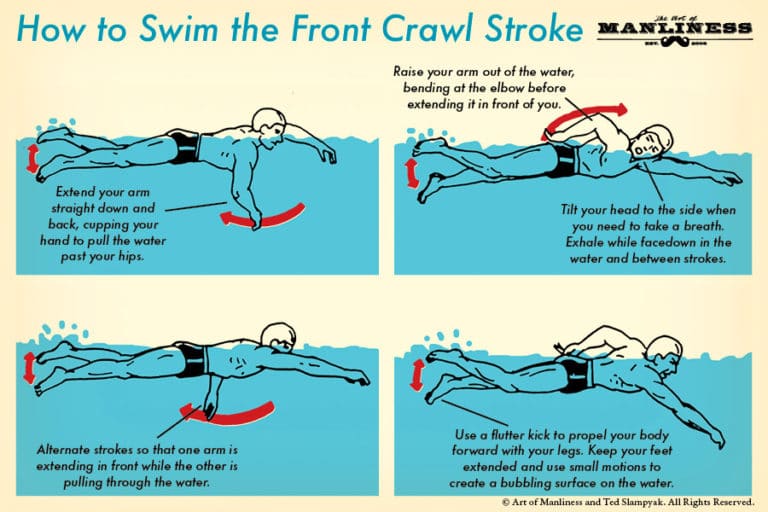
1. Freestyle (Front Crawl)
Often called the free style in swimming, this is the fastest and most energy-efficient style. It's ideal for both short sprints and long-distance swims.
Technique Tip:
Freestyle is all about rhythm, efficiency, and fluid motion. Begin with a streamlined body position—keep your head in line with your spine and your core engaged. Alternate your arm strokes in a windmill-like pattern while executing a gentle, consistent flutter kick. For breathing, turn your head to the side, not upwards, ideally every three strokes, so you maintain balance and flow.
When to Use:
Freestyle is the most versatile stroke and works beautifully in nearly every situation—whether you're swimming for fitness, competing in a race, or simply cooling down after a workout. It’s the stroke of choice for long-distance events like a 5K swim, and it’s excellent for building cardiovascular endurance while maintaining speed and control.
2. Breaststroke
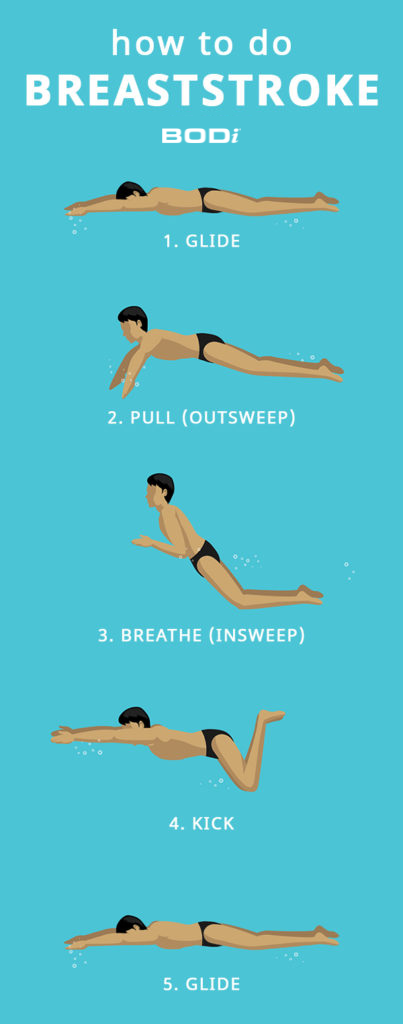
The breaststroke swimming style is often taught first to beginners because of its head-above-water position and simple rhythm.
Technique Tip:
The breaststroke has a graceful, almost meditative flow to it. Begin with both arms pushing outward in a semi-circular motion while simultaneously executing a powerful frog-like kick. After each stroke, allow your body to glide momentarily—this pause is key to maintaining rhythm and conserving energy. Keep your movements symmetrical and your body as horizontal as possible.
When to Use:
Ideal for beginners and those looking to swim at a relaxed pace, breaststroke offers maximum visibility and control. It’s a fantastic choice for recreational swimming, warm-ups, and open-water environments where orientation is important. Plus, it's gentle on the joints, making it a reliable stroke for swimmers of all ages.
3. Butterfly Stroke
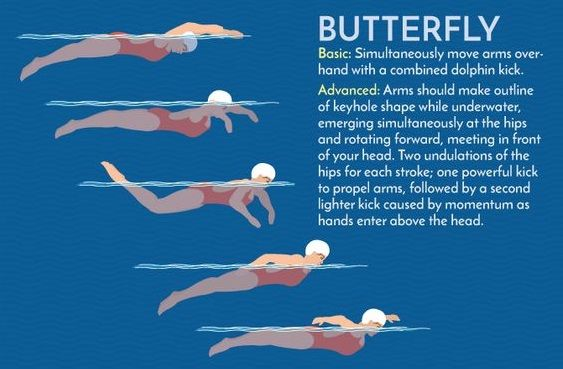
Known for its power and beauty, the butterfly stroke is a true test of strength and coordination. Some swimmers refer to this as the butterfly style swim or the swim butterfly stroke.
Technique Tip:
The butterfly stroke combines power, rhythm, and finesse. Both arms move simultaneously in a sweeping motion over the water, while your legs perform a strong dolphin kick—generated from the hips, not the knees. The key is to maintain a fluid wave-like motion through your body and to sync your breath with the rise of your upper torso above the water.
When to Use:
Butterfly is perfect when you're looking to build strength and make a bold impression in the pool. It’s best used in shorter distances or sprint sets, as it can be physically demanding. This stroke is a favorite for seasoned swimmers aiming to develop upper body power and enhance overall coordination.
4. Dolphin Style
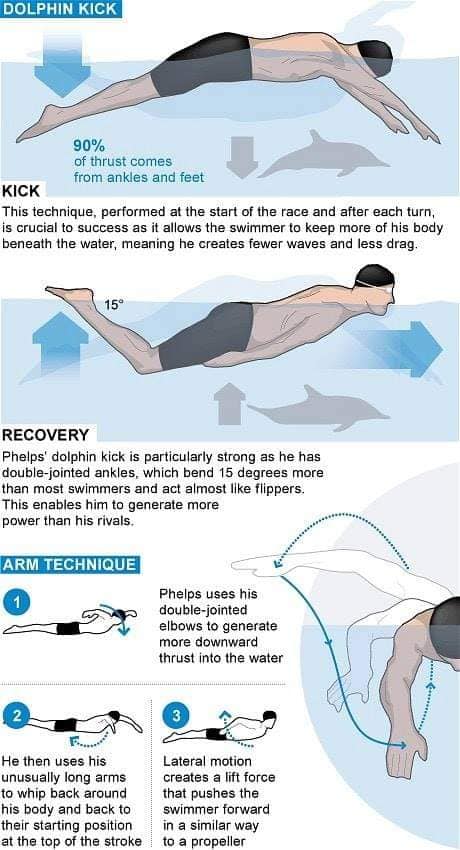
While technically part of the butterfly stroke, many refer to the powerful kick as the dolphin style swimming. It mimics the motion of a dolphin, focusing on body undulation.
Technique Tip:
Often used as part of the butterfly stroke or in underwater transitions, the dolphin kick is a powerful movement initiated from the core. Keep your legs together, toes pointed, and let the motion start at your chest and ripple down through your hips to your feet. Think of your body moving like a wave—fluid, strong, and continuous.
When to Use:
This style is especially useful during the underwater phase after diving in or pushing off the wall. It’s a go-to technique for competitive swimmers aiming to maximize speed before surfacing. If you're looking to improve your core strength and underwater propulsion, adding dolphin kicks to your routine is a great choice.
Conclusion
Whether you're gliding smoothly with the freestyle swimming style or powering through the water with a dramatic swim butterfly stroke, each swimming style has its own rhythm, benefits, and charm. Understanding the different style in swimming isn’t just about improving technique—it’s about finding what fits your mood, goals, and body best.
So next time you dive in a pool with a swim costume, don’t just swim—explore, experiment, and enjoy the water in your own style. After all, swimming isn’t just a sport; it’s an art form, a workout, and a whole lot of fun rolled into one!
Frequently Asked Questions (FAQ’s)
1. Which swimming stroke is best for beginners?
The breaststroke is often recommended for beginners because it’s easy to learn, gentle on the body, and allows you to keep your head above water. It’s also great for building comfort and confidence in the pool.
2. How often should I swim to see results?
Swimming 3 to 4 times a week is a great start if you're aiming for fitness, weight loss, or improved technique. Consistency is key—mix up your swimming strokes to work different muscle groups and keep it fun.
3. What is the best breathing technique for swimming?
For most strokes, like freestyle, the best breathing technique is to exhale underwater and inhale quickly when you turn your head to the side. Keeping your breathing rhythmic and relaxed helps maintain good form and avoid fatigue.
4. What muscles does swimming work?
Swimming engages almost every major muscle group. Depending on the swimming style, it works your shoulders, back, chest, core, legs, and even arms. It’s one of the most balanced and complete workouts you can do.



.png)
