

How to Progressively Overload for Better Strength Gains
- Aug 05, 2025
- 6 min
Key Takeways:
- Progressive overload drives consistent muscle and strength gains.
- Small, gradual changes are more effective than drastic jumps.
- Increasing weight, reps, or sets challenges your body to adapt.
- Reducing rest time boosts endurance and workout intensity.
- Perfecting form enhances muscle engagement and reduces injury risk.
- Compound exercises are ideal for applying progressive overload.
Using progressive overload isn't necessarily about lifting more weight, it's about training more intelligently. In order to continue developing strength and muscle, you must continue challenging your body in an organized manner. That doesn't mean taking giant leaps with the weight week in and week out, but small, gradual adjustments that are cumulative over time.
Whether you're concerned with hypertrophy training, enhancing endurance, or enhancing overall performance, employing various methods to apply the principle of overload guarantees consistent improvement. In this blog, we’ll cover what progressive overload is, why it’s essential for strength gains, how to apply it effectively, and the 5 best exercises to use for progressive overload training.
What is Progressive Overload?
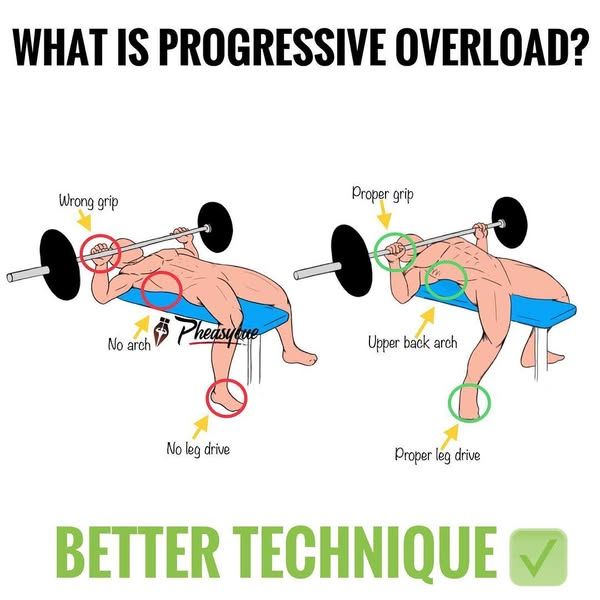
If you’ve been working out regularly but your strength gains have stalled, it’s likely because you’re not challenging your muscles enough. This is where progressive overload comes into play. It’s not just a fancy fitness buzzword — it’s a science-backed training strategy that fuels real results.
Progressive overload is the backbone of effective strength and muscle-building routines. Your body adapts quickly, and if you don't keep raising the bar, literally and figuratively — your workouts become maintenance routines rather than tools for progress.
For anyone following a progressive overload approach at home or in the gym, a quality set of dumbbells is a must. The FASC Dumbbells from Fettle & Sports are a great option — durable, easy to grip, and perfect for gradually increasing weight during strength training sessions.
The human body is incredibly adaptive. When you perform the same workout with the same weight and reps over time, your muscles stop growing because they no longer see a need to adapt. That’s where progressive overload training becomes essential.
- Stimulates Muscle Growth
- Builds Functional Strength
- Prevents Plateaus
- Improves Endurance
- Maximizes Results
How to Progressively Overload for Better Strength Gains
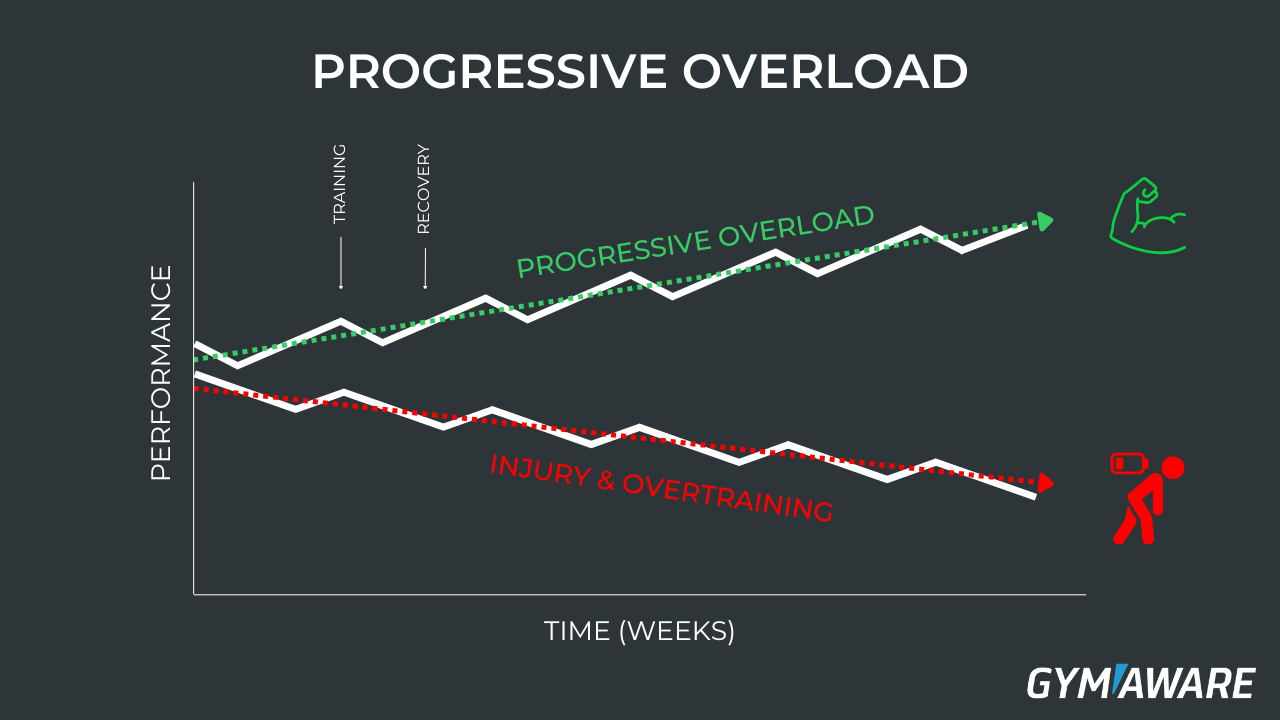
To see consistent strength and muscle gains, you need to challenge your body beyond its comfort zone. Progressive overload helps you do exactly that by gradually increasing workout intensity in smart, structured ways.
1. Increase the Weight Gradually
The most common way to apply progressive overload is by adding more weight over time. Even a 2–5% increase weekly can keep your muscles adapting and growing. Just make sure your form remains solid as you increase the load — don’t compromise technique for heavier lifts.
2. Add More Repetitions or Sets
If you're not ready to lift heavier, increasing reps or adding another set can still challenge your muscles and boost training volume. This method supports muscular endurance and is especially effective in a hypertrophy workout for muscle growth.
3. Reduce Rest Time Between Sets
Shortening rest periods increases workout density and pushes your body to recover faster, enhancing endurance and strength. This form of overload progressive training builds mental toughness and cardiovascular conditioning alongside muscle gains.
When performing heavy lifts like squats or deadlifts as part of your progressive overload training, using supportive Knee Wrap to protect your knees and maintain stability during intense overload sessions can be helpful.
4. Improve Your Exercise Form and Range of Motion
Better form and full range make each rep more effective. This subtle progressive overload training trick strengthens stabilizers and reduces injury risk. For example, going deeper in squats or fully extending in pull-ups can make a lighter weight feel harder.
5. Try Advanced Training Techniques
Incorporate methods like supersets, drop sets, or slow eccentrics to create fitness overload without relying only on heavier weights. These variations keep your workouts fresh, prevent plateaus, and continue challenging your muscles in new ways.
5 Best Exercises for Progressive Overload
To get the most out of progressive overload training, you need exercises that work multiple muscle groups and allow for steady progression. These five compound movements are perfect for building strength and applying the overload principle effectively.
1. Barbell Squats
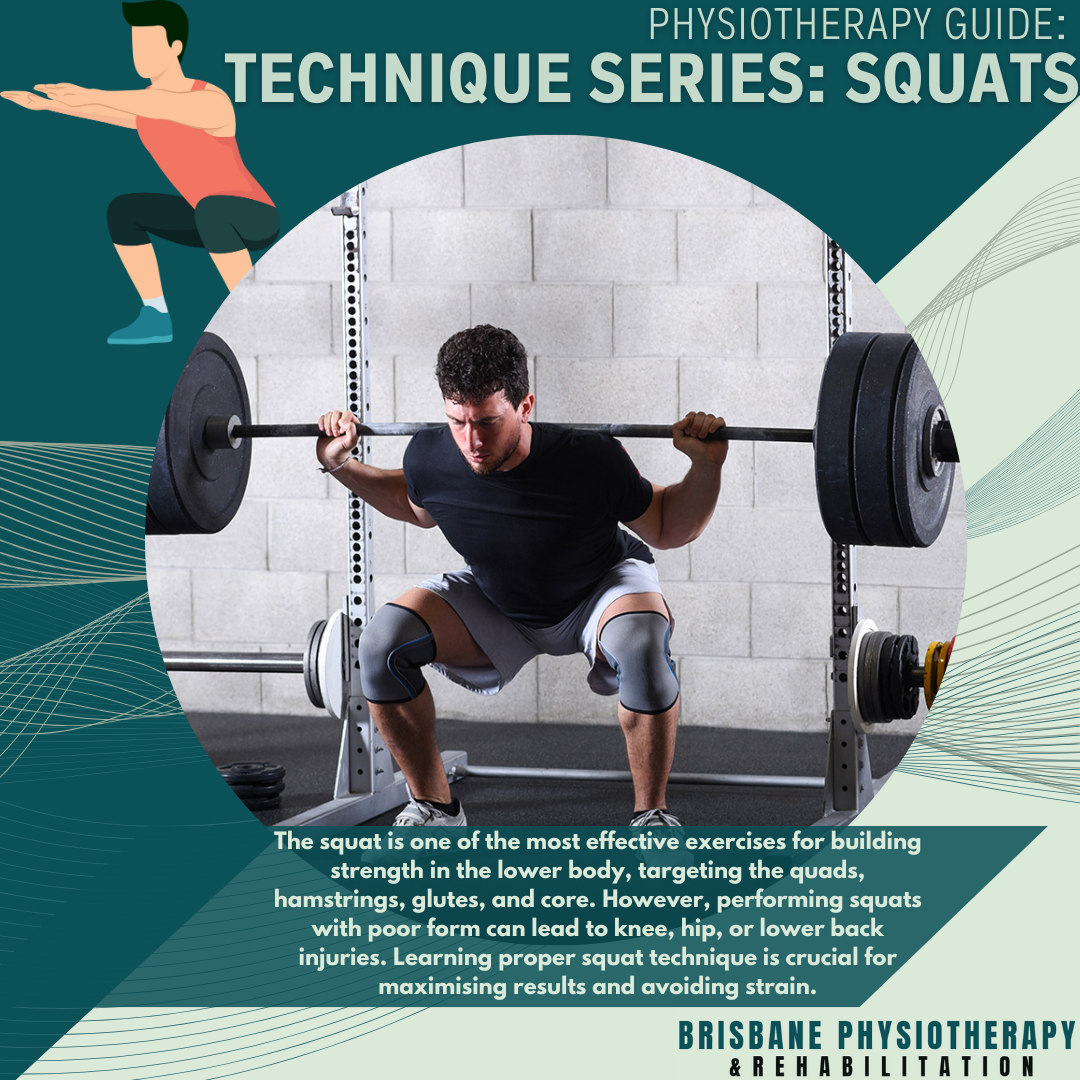
Targets: Quads, glutes, hamstrings and core
How to do it:
- Stand with feet shoulder-width apart under a racked barbell.
- Rest the bar on your upper traps, brace your core, and squat down by bending your hips and knees.
- Go as low as your mobility allows, then push through your heels to return to standing.
How to progressively overload: Increase the weight weekly by 2.5–5 kg, add reps or sets, or squat deeper to increase range of motion.
2. Deadlifts
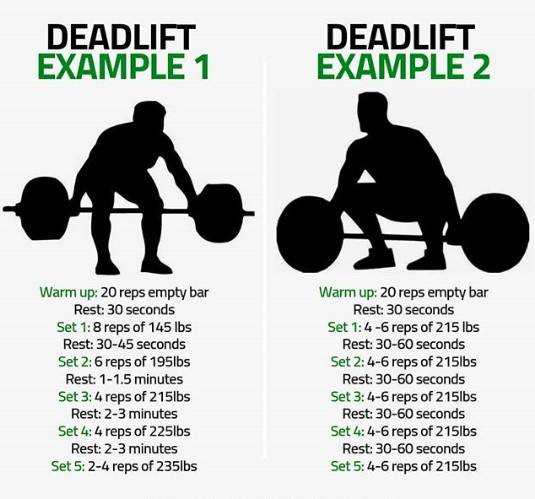
Targets: Hamstrings, glutes, back, traps, core.
How to do it:
- Stand with feet hip-width apart and barbell over mid-foot.
- Hinge at the hips and grip the bar with both hands outside your knees.
- Keep your spine neutral, brace, and lift the bar by pushing through your feet.
How to progressively overload: Increase the weight slowly, reduce rest time between sets, or incorporate variations like deficit or tempo deadlifts.
3. Bench Press
Targets: Chest, triceps, front shoulders.
How to do it:
- Lie on a bench with feet flat on the floor.
- Grip the bar slightly wider than shoulder-width, lower it to your chest with control, then press back up.
How to progressively overload: Add 2–5% weight weekly, increase reps, or pause at the bottom of each rep to increase time under tension.
4. Pull-Ups (or Weighted Pull-Ups)
Targets: Lats, biceps, traps and core.
How to do it:
- Hang from a pull-up bar with palms facing away (overhand grip).
- Engage your back and pull your chin above the bar, then lower under control.
How to progressively overload: Start by increasing reps, then reduce assistance (if using bands), and eventually add a weight belt or vest once you’re strong enough.
5. Overhead Press (Barbell or Dumbbell)
Targets: Shoulders, triceps, upper chest and core.
How to do it:
- Stand with the barbell at shoulder height, grip just outside your shoulders.
- Press the weight straight overhead while keeping your core tight and spine neutral.
How to progressively overload: Increase the load in small increments (1–2.5 kg), add reps, or perform slower eccentric (lowering) phases for added challenge.
You can also consider taking guidance from a certified coach to apply progressive overload safely and effectively.
Conclusion
Whether your goal is building muscle, gaining strength, or improving endurance, progressive overload is the key to unlocking consistent, long-term results. By integrating progressive overload training into your routine and sticking to the overload principle, you’re guaranteed to break through plateaus and keep progressing.
So next time you hit the gym, don’t just go through the motions — apply overload progressive techniques and challenge your body to grow stronger, one session at a time.
FAQ's
Q1: What is progressive overload?
A: It’s the gradual increase of training stress to build muscle and strength.
Q2: Do I have to lift heavier every week?
A: No, you can also add reps, sets, or reduce rest time.
Q3: Why is progressive overload important?
A: It prevents plateaus and keeps your body adapting and improving.
Q4: Can beginners use progressive overload?
A: Yes, it's effective and safe when applied gradually.
Q5: What exercises work best for progressive overload?
A: Compound movements like squats, deadlifts, bench press, pull-ups, and overhead press.
Q6: How often should I increase the load?
A: Aim for small weekly increases (2–5%) based on your progress.
Recent Blog

- Dec 30, 2025

- Dec 26, 2025


- Dec 19, 2025
