- Fitness
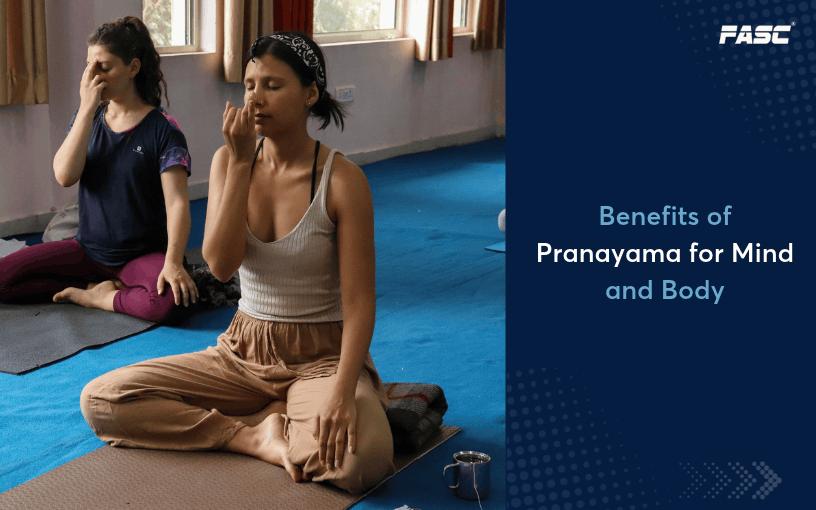
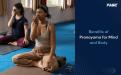
Benefits of Pranayama for Mind and Body
- Nov 24, 2026
- 4 min
Key Takeaways
- Pranayama is the practice of consciously regulating the breath.
- It may support relaxation, focus and emotional well-being.
- Certain techniques may support respiratory and cardiovascular function.
- Beginners should start with gentle breathing exercises.
- Regular, comfortable practice matters more than intensity.
What Is Pranayama?
Pranayama is an important part of yoga that involves conscious control of inhalation, exhalation and, in some techniques, breath retention.
It is more than simply taking deep breaths. Different techniques use different breathing patterns to encourage calmness, concentration and awareness.
Research published in the International Journal of Yoga has examined the potential health benefits of pranayama, including its effects on respiratory, cardiovascular and psychological well being. You can explore the systematic review of pranayama research on PubMed to understand the available evidence.
7 Benefits of Pranayama for Mind and Body
Below mentioned are some of the benefits of Pranayama, which one should understand.
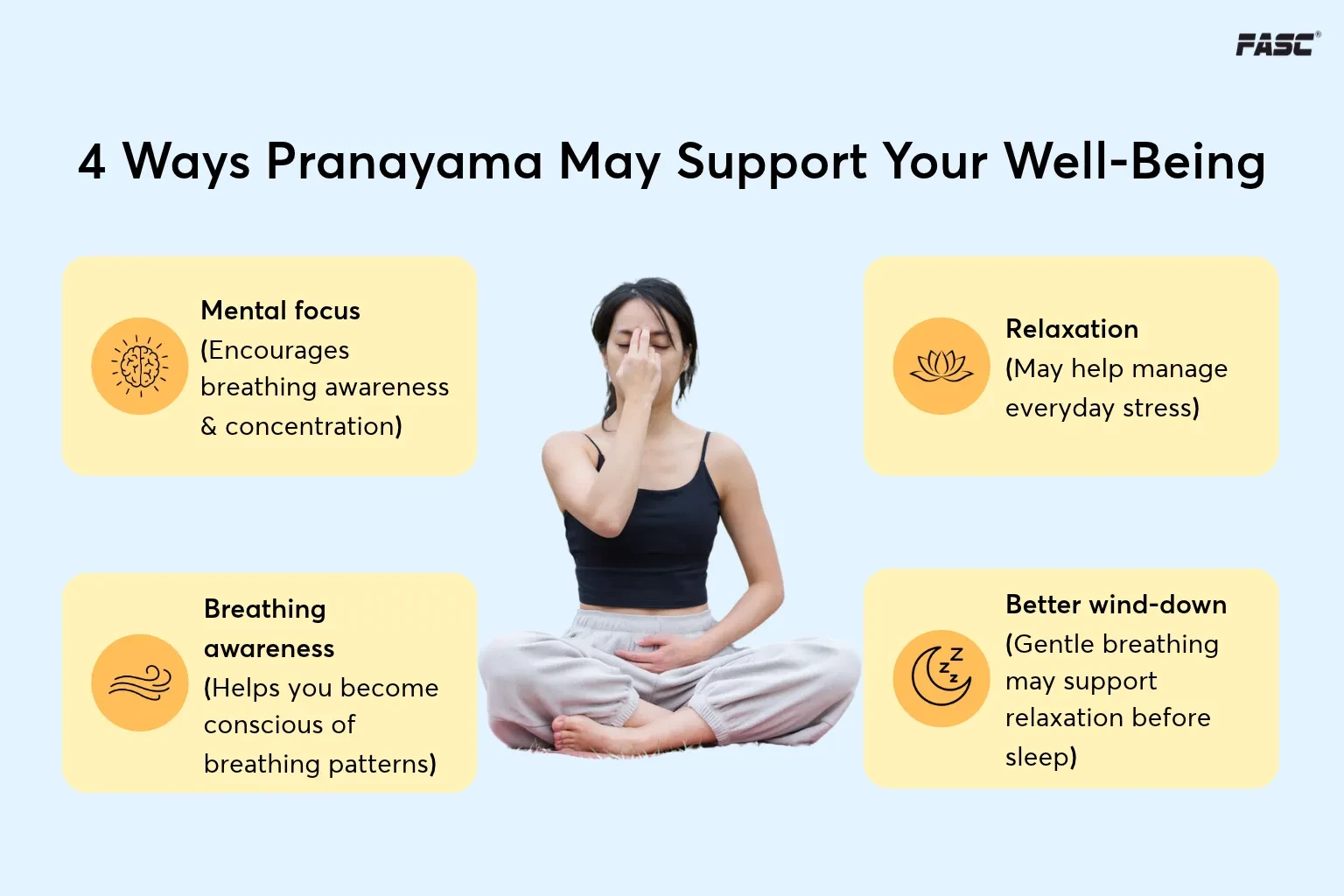
1. Helps Manage Everyday Stress
Slow, controlled breathing can encourage relaxation and help you feel calmer during stressful situations. Making pranayama part of your daily routine may help you develop a better response to everyday pressures.
2. Supports Mental Clarity and Focus
Pranayama encourages you to pay attention to your breathing instead of constantly shifting between thoughts and distractions. This mindful approach may help improve concentration and awareness during daily activities.
3. Improves Breathing Awareness
Regular practice helps you become more conscious of your breathing rhythm and patterns. Certain breathing exercises may also support aspects of respiratory function, although results vary between individuals and techniques.
4. Promotes Relaxation and Emotional Balance
Practising gentle breathing techniques can create a quiet break from daily activities. This may help you feel more settled and develop greater awareness of your emotional responses.
5. May Support Better Sleep
A gentle breathing routine before bedtime can help some people unwind and prepare for rest. Combining it with a consistent sleep schedule and a relaxing evening routine may support better sleep habits.
6. Supports Cardiovascular Well-Being
Some research suggests that controlled yogic breathing may influence heart rate and blood pressure. However, pranayama should be considered a complementary wellness practice, not a replacement for medical treatment or prescribed medication.
7. Complements a Healthy Yoga Routine
Pranayama works well alongside yoga postures, meditation and other healthy habits. Combining breathing exercises with gentle movement, such as the stretches in a morning yoga routine, can create a balanced start to the day.
5 Common Pranayama Techniques to Know
Beginners can explore different techniques under the guidance of a qualified yoga instructor.
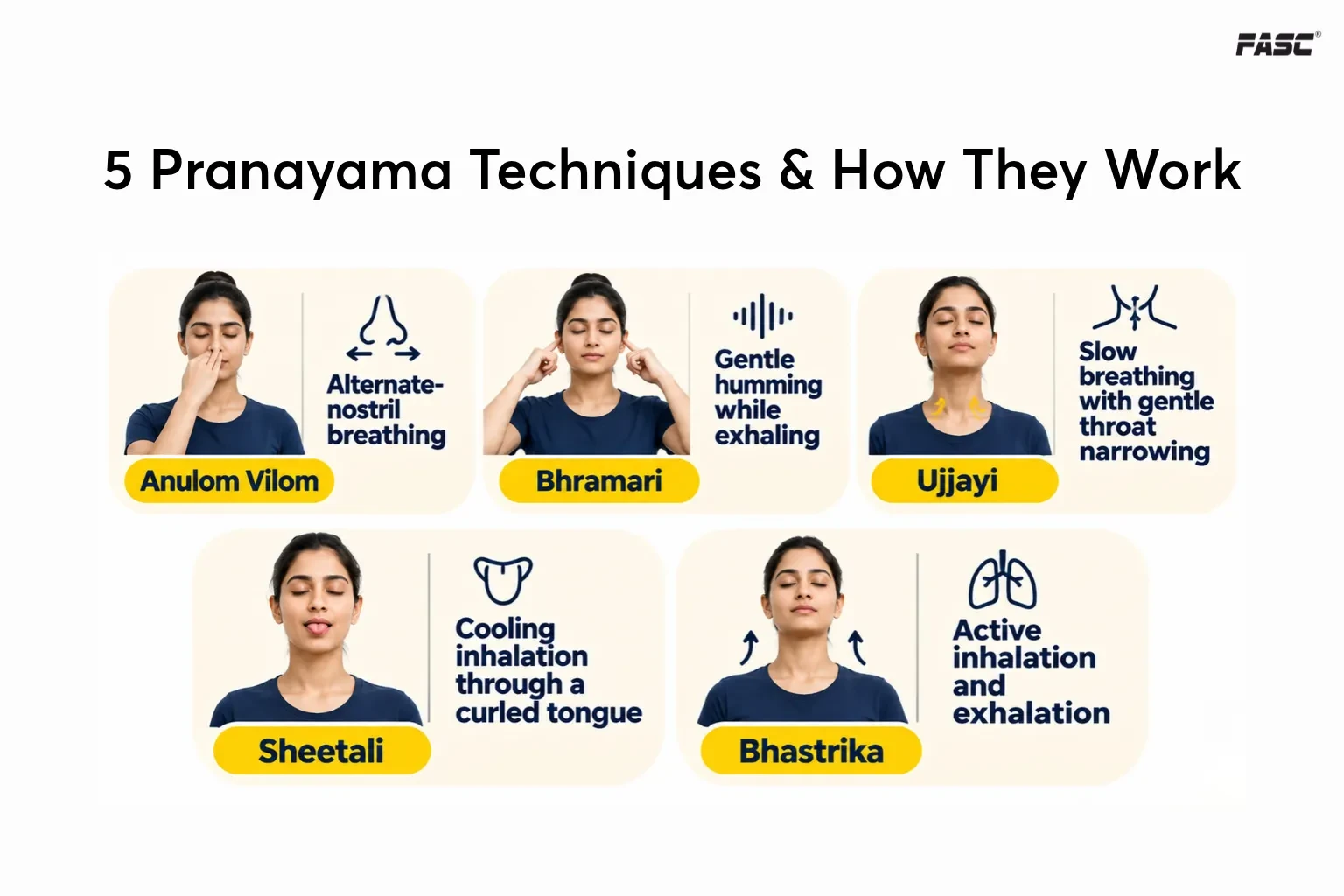
- Anulom Vilom: Alternate-nostril breathing performed in a slow, controlled rhythm.
- Bhramari: Humming-bee breathing that involves producing a gentle humming sound while exhaling.
- Ujjayi: A slow breathing technique involving a gentle narrowing of the throat.
- Sheetali: A cooling technique that involves inhaling through a curled tongue, where physically possible.
- Bhastrika: A more vigorous breathing technique involving active inhalation and exhalation. It is not generally recommended for beginners to practise without instruction.
How to Include Pranayama in Your Daily Routine
You do not need a long session to begin building a breathing practice.
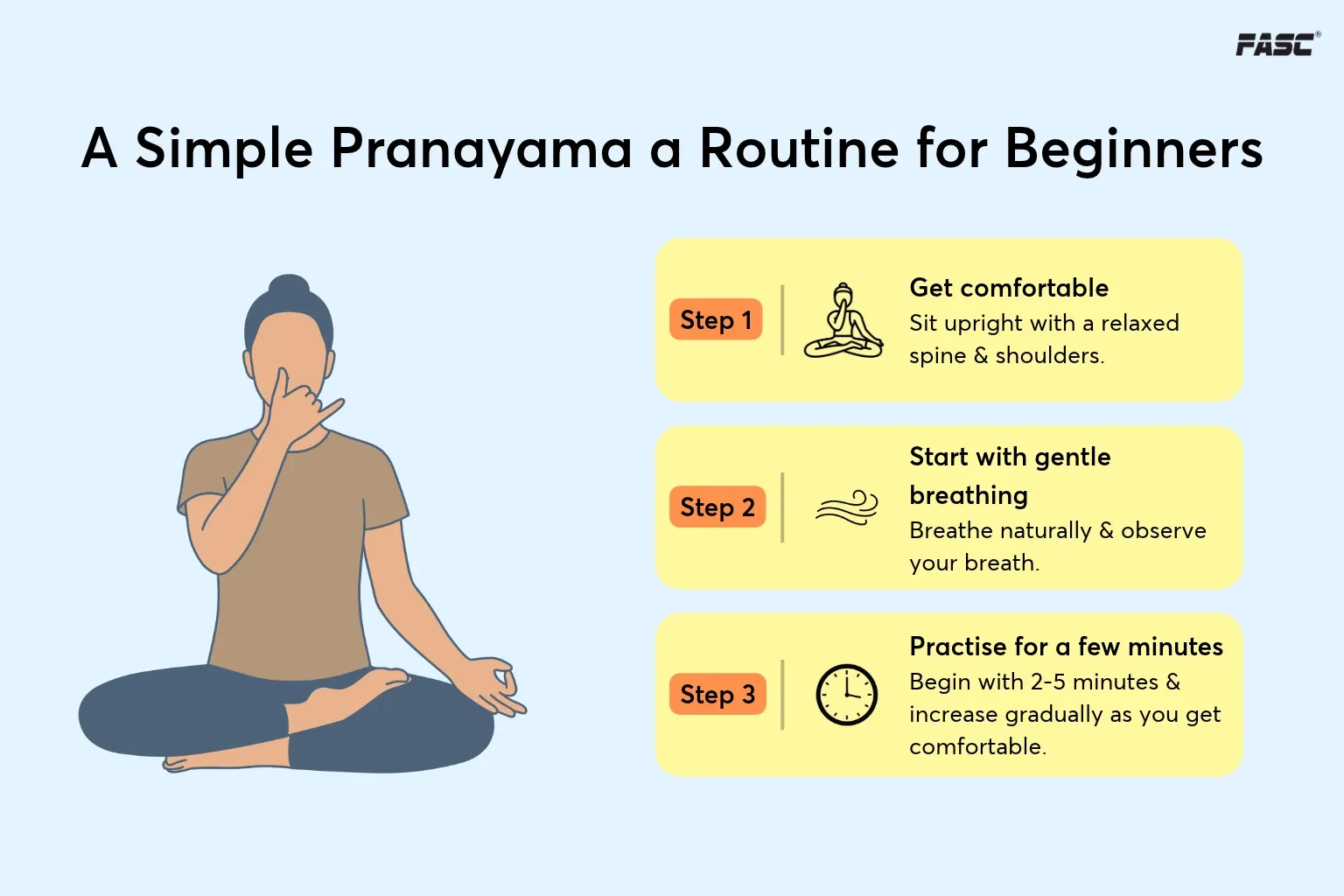
- Find a quiet, comfortable place.
- Sit upright with your shoulders relaxed.
- Begin with gentle, natural breathing.
- Start with a few minutes of a beginner-friendly technique.
- Practise consistently without forcing your breath.
Pairing pranayama with relaxation practices can also be useful when managing everyday pressure. This fits naturally into a broader approach to yoga for burnout recovery.
Safety note: Avoid forcing your breathing or holding your breath for extended periods. Stop if you feel dizzy, breathless or uncomfortable. Vigorous techniques such as Bhastrika and practices involving breath retention should be learned from a qualified instructor. If you are pregnant or have a respiratory, cardiovascular or other medical condition, seek advice from your healthcare professional before starting.
Recommended Products From Yoga Coach
Conclusion
Pranayama is a simple way to bring greater awareness to your breathing and create moments of calm in a busy day. Start with gentle techniques, practise consistently and focus on comfort rather than perfection. Over time, it can become a valuable part of a balanced wellness routine.
Frequently Asked Questions (FAQs)
1. What is the best time to practise pranayama?
Many people prefer practising in the morning when the surroundings are quiet. However, a comfortable time that allows consistent practice is more important.
2. How long should beginners practise pranayama?
Beginners can start with a few minutes of gentle breathing and gradually increase the duration as they become comfortable.
3. Can pranayama help reduce stress?
Gentle, controlled breathing may encourage relaxation and help manage everyday stress. It should not replace professional care for persistent anxiety or other mental health concerns.
4. Can I practise pranayama every day?
Many gentle breathing techniques can be practised regularly. Follow proper guidance, avoid straining and adjust your practice to your comfort.
5. Should pranayama be practised before or after yoga?
A common approach is to practise gentle asanas first, followed by relaxation and pranayama. A qualified instructor can help you choose an appropriate sequence.
Share :
Recent Blog
- Nov 24, 2026