- Sports
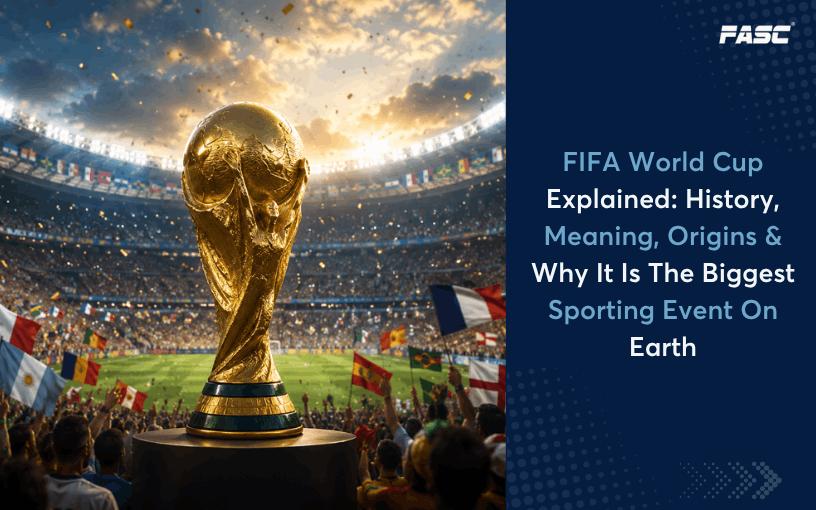
FIFA World Cup Explained: History, Meaning, Origins & Why It Is The Biggest Sporting Event On Earth
- Jun 30, 2026
- 6 min
Key Takeaways
- FIFA is the governing body of world football.
- The first FIFA World Cup was held in 1930.
- Jules Rimet played a crucial role in creating the tournament.
- The World Cup is now the most-watched sporting event globally.
- Football has grown into a multi-billion-dollar global industry.
- The FIFA World Cup continues to shape sports, business, tourism, and culture.
Every four years, the world seems to pause. Cities decorate their streets. Fans proudly wear their national colours. Families gather around televisions.
Millions travel across continents. And billions tune in to witness one tournament.
The FIFA World Cup.
More than just football, the World Cup has become one of the greatest celebrations of sport, culture, passion, and national pride. But have you ever wondered:
- What does FIFA actually mean?
- Who came up with the idea of a World Cup?
- Why was it created?
- How did football become the world's most popular sport?
- Why does the FIFA World Cup attract billions of viewers?
Let's explore the incredible story behind football's biggest event.
What Does FIFA Stand For?
FIFA stands for:
Fédération Internationale de Football Association
Translated into English, it means:
International Federation of Association Football.
Founded in 1904 in Paris, France, FIFA was established to create common rules for international football competitions and govern the sport globally.
Today, FIFA oversees:
- International football competitions
- The FIFA World Cup
- Women's football
- Youth tournaments
- Beach soccer
- Futsal
- Global football development programs
With over 200 member associations, FIFA is one of the largest international sporting organizations in the world.
Who Invented The FIFA World Cup?
The idea of a global football tournament is largely credited to Jules Rimet, the third President of FIFA. During the early 20th century, football was becoming increasingly popular across Europe and South America.
However, there was no dedicated international tournament where nations could compete for the title of world champions. Jules Rimet believed football deserved its own global competition.
After years of planning and discussions, his vision became reality. His efforts eventually gave birth to what is now known as the FIFA World Cup.
Interestingly, the original World Cup trophy was named the Jules Rimet Trophy in his honour.
When Was The First FIFA World Cup Held?
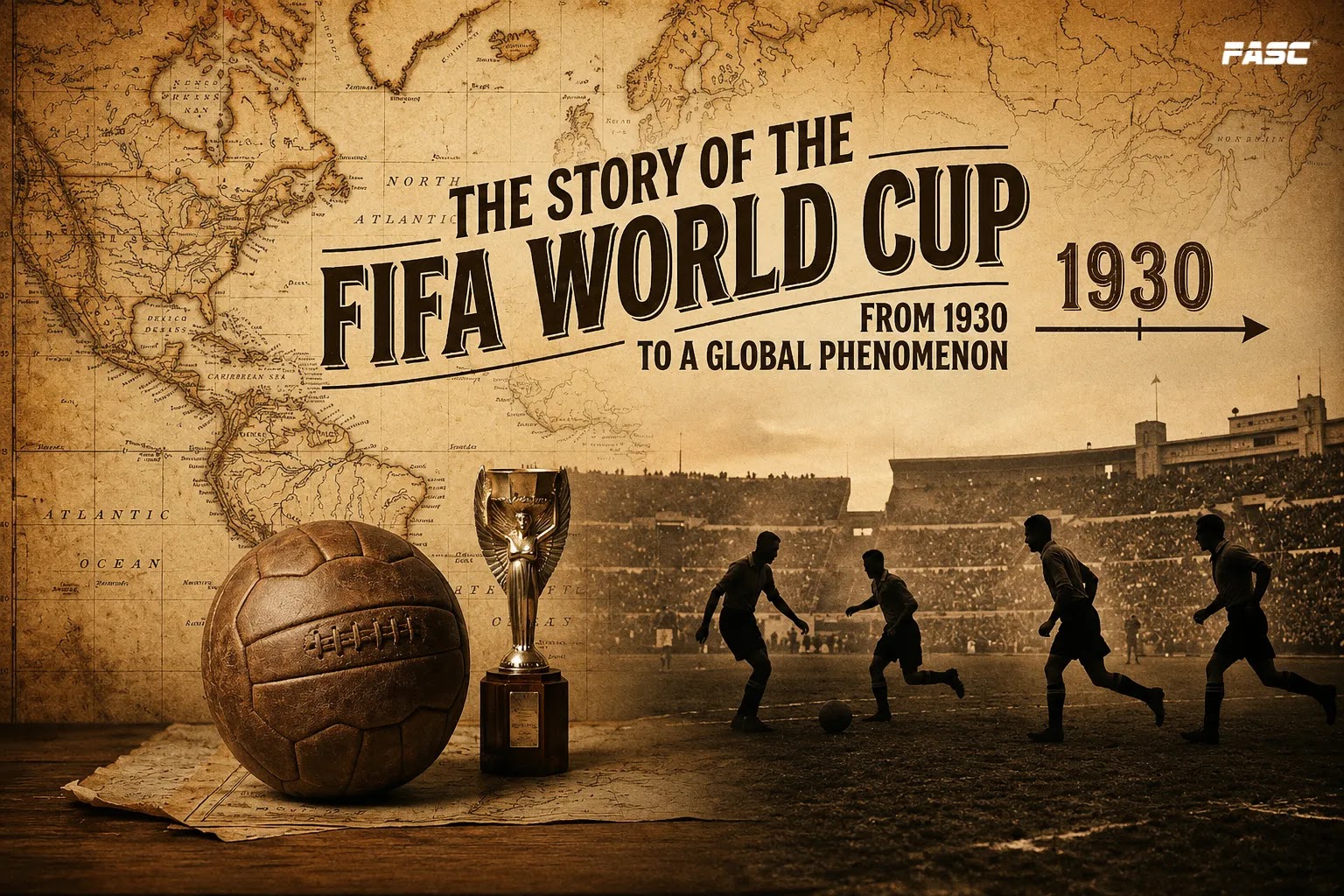
The inaugural FIFA World Cup took place in 1930.
Host Nation
Uruguay. Uruguay was chosen because:
- It had won two Olympic football gold medals.
- The country was celebrating 100 years of independence.
- It agreed to cover travel and accommodation costs for participating teams.
Only 13 teams participated in the first tournament. Despite its modest beginnings, it laid the foundation for the biggest sporting competition in history.
Uruguay defeated Argentina 4–2 in the final to become the first-ever FIFA World Cup champions.
Why Was The World Cup Created?
Before the FIFA World Cup, football at the international level was primarily played during the Olympic Games. However, FIFA wanted an independent tournament dedicated solely to football.
The objective was simple:
- Bring nations together.
- Promote international competition.
- Grow football worldwide.
- Create a truly global championship.
Nearly a century later, that vision has been achieved beyond imagination.
How Football Became The World's Most Popular Sport
Unlike many sports that require expensive facilities or equipment, football is remarkably accessible.
All you need is:
-
A ball
-
An open space
-
A group of players
This simplicity allowed football to spread rapidly across continents. Today, football is played in villages, schools, cities, beaches, parks, and stadiums around the globe.
Its universal appeal has helped it become the world's most played and watched sport
The FIFA World Cup Is More Than Football
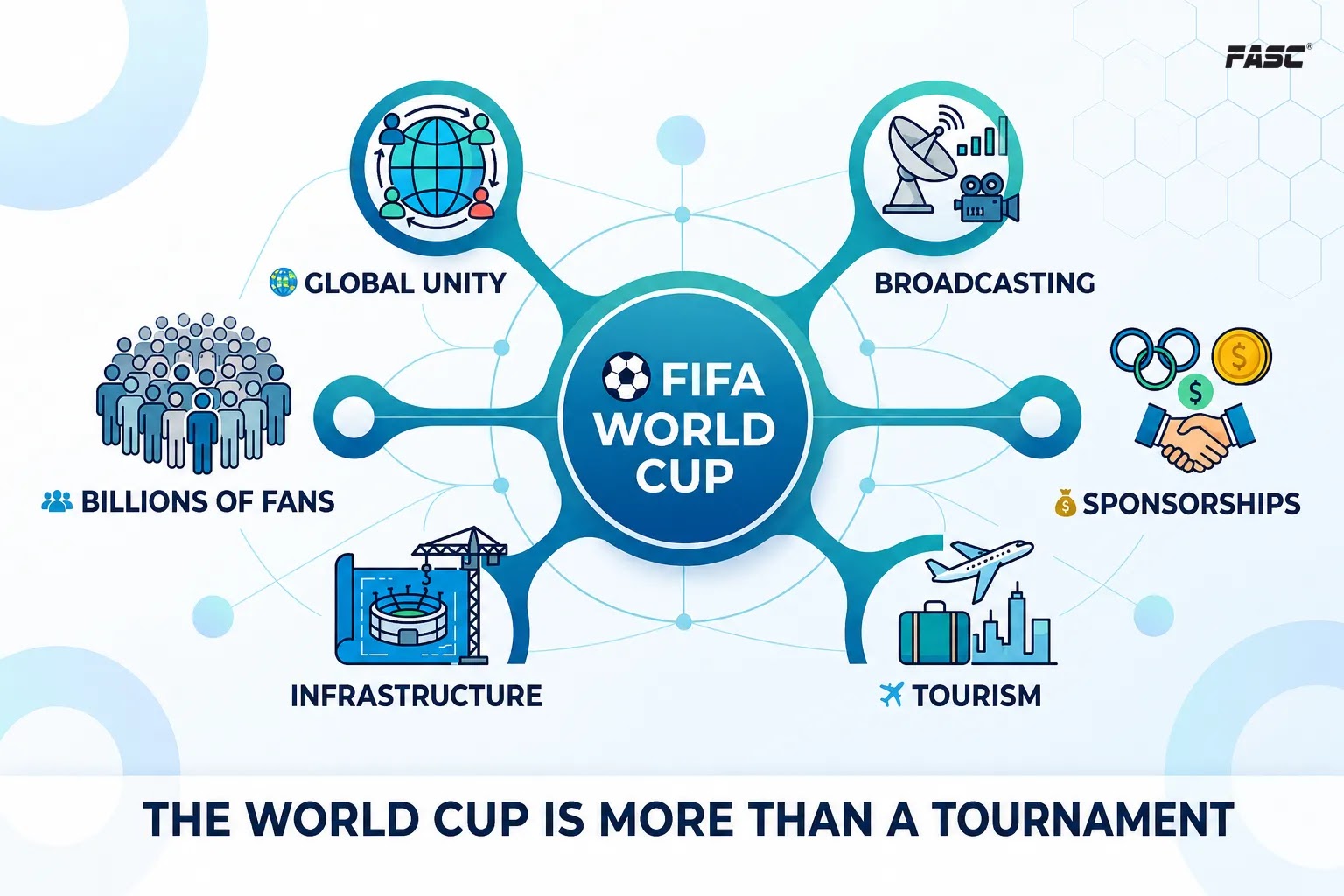
The World Cup is no longer just a sporting competition. It has become a global economic and cultural event.
Every tournament creates opportunities for:
Tourism
Millions of fans travel to host nations, boosting local economies.
Infrastructure
Host countries invest in stadiums, transport systems, airports, and public facilities.
Broadcasting
Broadcasters compete for media rights worth billions of dollars.
Sponsorships
Global brands use the World Cup to reach audiences across every continent.
Merchandising
Jerseys, footballs, collectibles, and official merchandise generate enormous commercial value. The World Cup demonstrates how sport can drive business far beyond the playing field.
How The FIFA World Cup Has Changed Over Time
The tournament has evolved significantly since 1930.
Some major milestones include:
- Expansion from 13 teams to a much larger global competition.
- Introduction of modern broadcasting technology.
- Adoption of goal-line technology and VAR.
- Increased participation from nations across Asia, Africa, and North America.
- Greater investment in women's football and youth development.
Each edition reflects how football continues to evolve with technology, audiences, and global participation.
Interesting Facts About The FIFA World Cup
Here are some fascinating facts every football fan should know:
The World Cup is held every four years.
This allows teams time to qualify and build competitive squads.
Brazil has won the most FIFA World Cup titles.
Brazil remains one of the most successful nations in World Cup history.
The tournament is watched by billions.
The FIFA World Cup Final is among the most-viewed sporting events on the planet.
The original trophy was replaced.
After Brazil permanently retained the Jules Rimet Trophy by winning it three times, FIFA introduced the current FIFA World Cup Trophy in 1974.
Football is played in almost every country.
Its accessibility has helped it become the world's most universal sport.
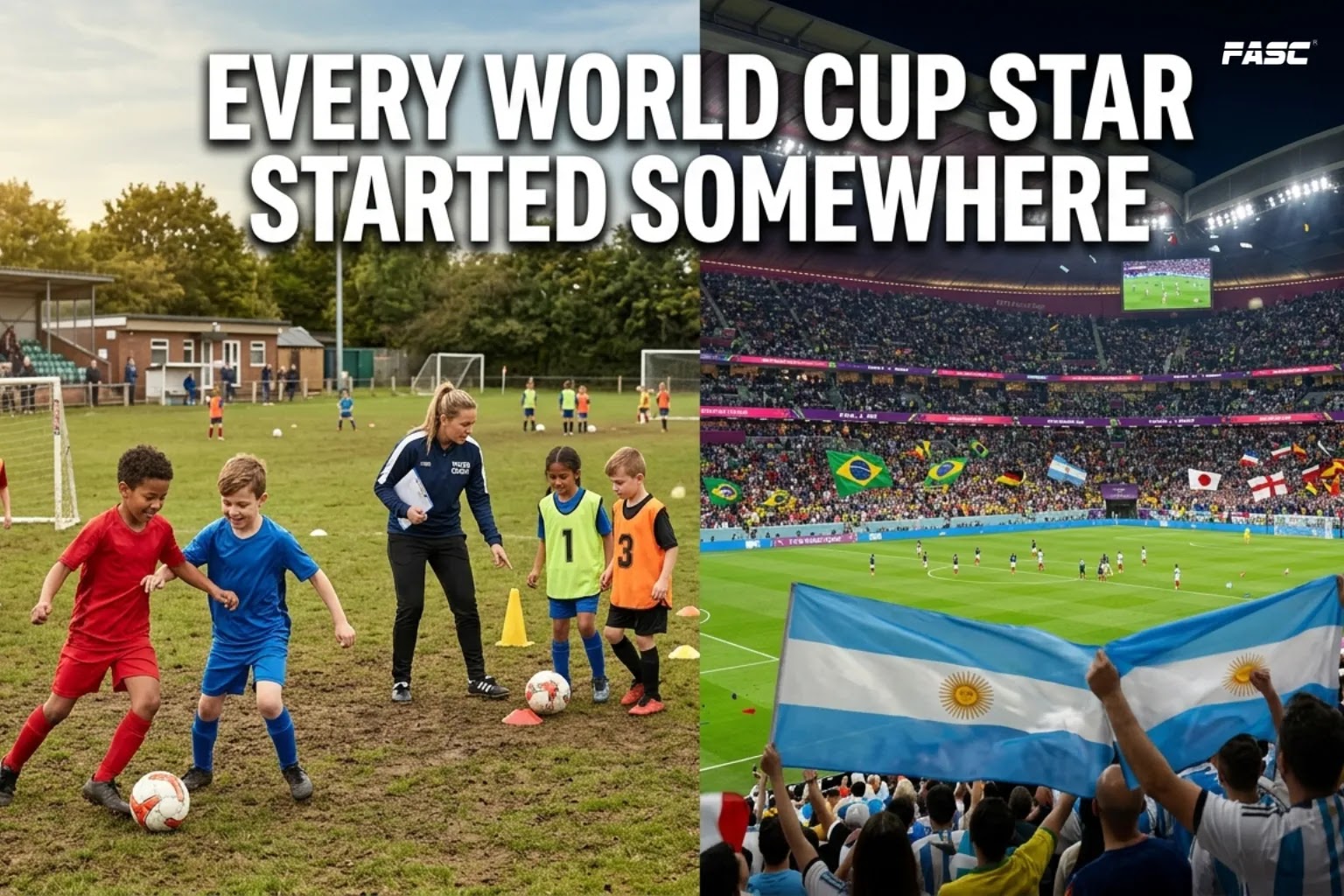
What Can India Learn From The FIFA World Cup?
The World Cup offers valuable lessons beyond football. Successful football nations invest consistently in:
- Grassroots development
- Coaching education
- Youth academies
- Sports science
- Infrastructure
- Professional leagues
- Community participation
These are the same pillars that help build sustainable sporting ecosystems. As football continues to grow in India, these lessons can support the country's long-term sporting ambitions.
The Future Of The FIFA World Cup
Every edition of the World Cup introduces new stories, new heroes, and new generations of fans. Technology, data analytics, fan engagement, and digital broadcasting continue to reshape how people experience football.
The tournament is no longer just about determining the best team. It is about inspiring millions to play, dream, and believe.
Recommended products from Football Coach
Conclusion
The FIFA World Cup began as one man's vision to unite nations through football. Nearly a century later, it has become the world's biggest sporting spectacle.
Its success goes far beyond the pitch, influencing business, tourism, media, infrastructure, and culture across the globe. Whether you are a lifelong football supporter or someone watching your first World Cup, understanding its history makes every match even more meaningful.
Because the FIFA World Cup is not just about winning a trophy. It is about celebrating the beautiful game that connects the world.
FAQs
1. What does FIFA stand for?
FIFA stands for Fédération Internationale de Football Association, the global governing body for association football.
2. When was the first FIFA World Cup held?
The first FIFA World Cup was held in 1930 in Uruguay.
3. Who started the FIFA World Cup?
The tournament was the vision of Jules Rimet, then President of FIFA, who wanted an international football championship outside the Olympic Games.
4. Why is the FIFA World Cup so popular?
It combines elite competition, national pride, global media coverage, passionate fan culture, and the universal appeal of football.
5. What can India learn from the FIFA World Cup?
India can learn the importance of investing in grassroots football, coaching, infrastructure, youth development, professional leagues, and community participation to build a stronger football ecosystem.
Share :