- Fitness
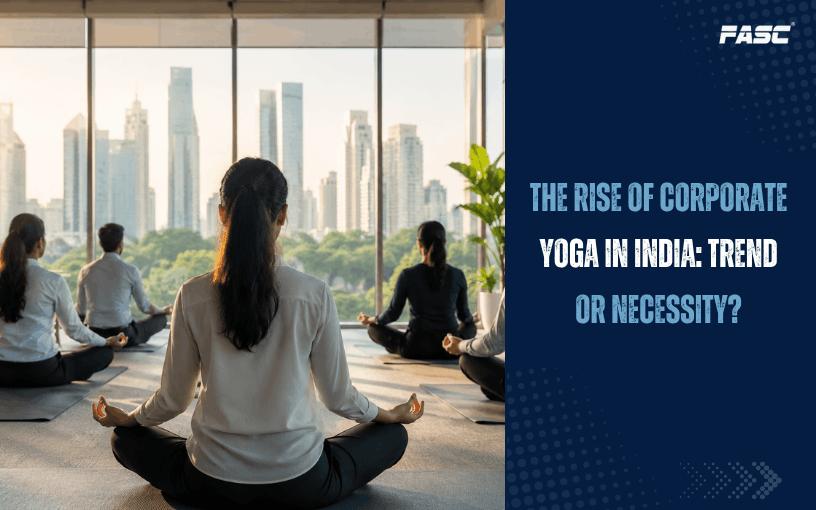
The Rise Of Corporate Yoga In India: Trend Or Necessity?
- Jun 26, 2026
- 5 min
Key Takeaways
- Corporate yoga is growing rapidly across India.
- Organizations are prioritizing employee wellbeing.
- Yoga helps reduce stress and workplace burnout.
- Improved physical and mental health can enhance productivity.
- Corporate wellness programs are becoming strategic investments.
- Workplace wellness may become a major business priority in the future.
A decade ago, yoga in the workplace was often viewed as an occasional activity organized on International Yoga Day. Today, the conversation is very different.
Across India, organizations are increasingly investing in employee wellness programs that include yoga, meditation, mindfulness, and stress management initiatives. This shift is not happening by accident.
Modern workplaces are facing new challenges:
- Increased stress levels
- Long working hours
- Sedentary lifestyles
- Digital fatigue
- Burnout
- Mental health concerns
As businesses search for sustainable solutions, yoga is emerging as one of the most practical and accessible tools for improving employee wellbeing.
The question is no longer whether yoga belongs in the workplace. The question is whether organizations can afford to ignore it.
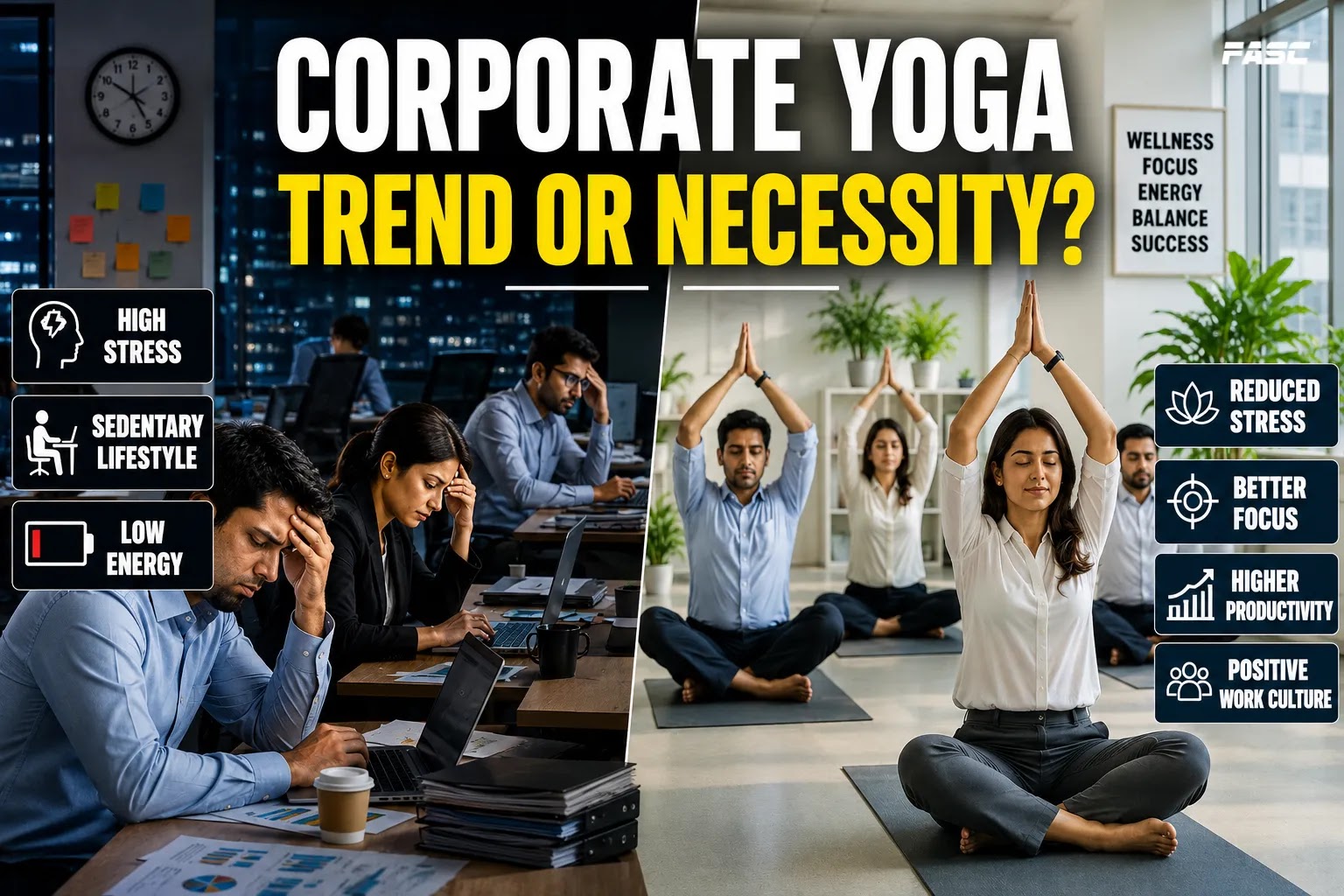
Why Corporate Wellness Is Becoming A Priority
The modern workforce is experiencing unprecedented levels of pressure. Employees today often spend:
- 8-10 hours sitting
- Long periods in front of screens
- Limited time for physical activity
- High levels of mental workload
As a result, organizations are increasingly recognizing that employee wellbeing directly impacts business performance. Healthy employees tend to be:
- More productive
- More engaged
- More focused
- Less likely to experience burnout
Corporate wellness is no longer just an employee benefit. It is becoming a business strategy.
The Growing Popularity Of Corporate Yoga In India
India's corporate sector is witnessing a significant rise in workplace yoga programs. From startups to multinational corporations, many organizations are integrating yoga into their wellness initiatives.
Why Companies Are Adopting Yoga
Yoga offers several advantages:
- Low implementation cost
- Accessibility for all fitness levels
- Minimal equipment requirements
- Physical and mental health benefits
- Flexible online and offline formats
This makes yoga one of the most scalable wellness solutions available to employers.
How Yoga Helps Employees
One reason corporate yoga is gaining momentum is its ability to address multiple workplace challenges simultaneously.
Stress Management
Work-related stress has become a common concern across industries. Yoga encourages:
- Controlled breathing
- Relaxation
- Mindfulness
- Emotional regulation
These practices can help employees better manage daily workplace pressures.
Improved Physical Health
Long hours of sitting often contribute to:
- Neck pain
- Back pain
- Poor posture
- Reduced mobility
Yoga helps improve:
- Flexibility
- Mobility
- Posture
- Movement quality
Better Focus And Concentration
Many yoga practices emphasize mental awareness and concentration. This can support:
- Improved attention
- Better decision-making
- Increased workplace productivity
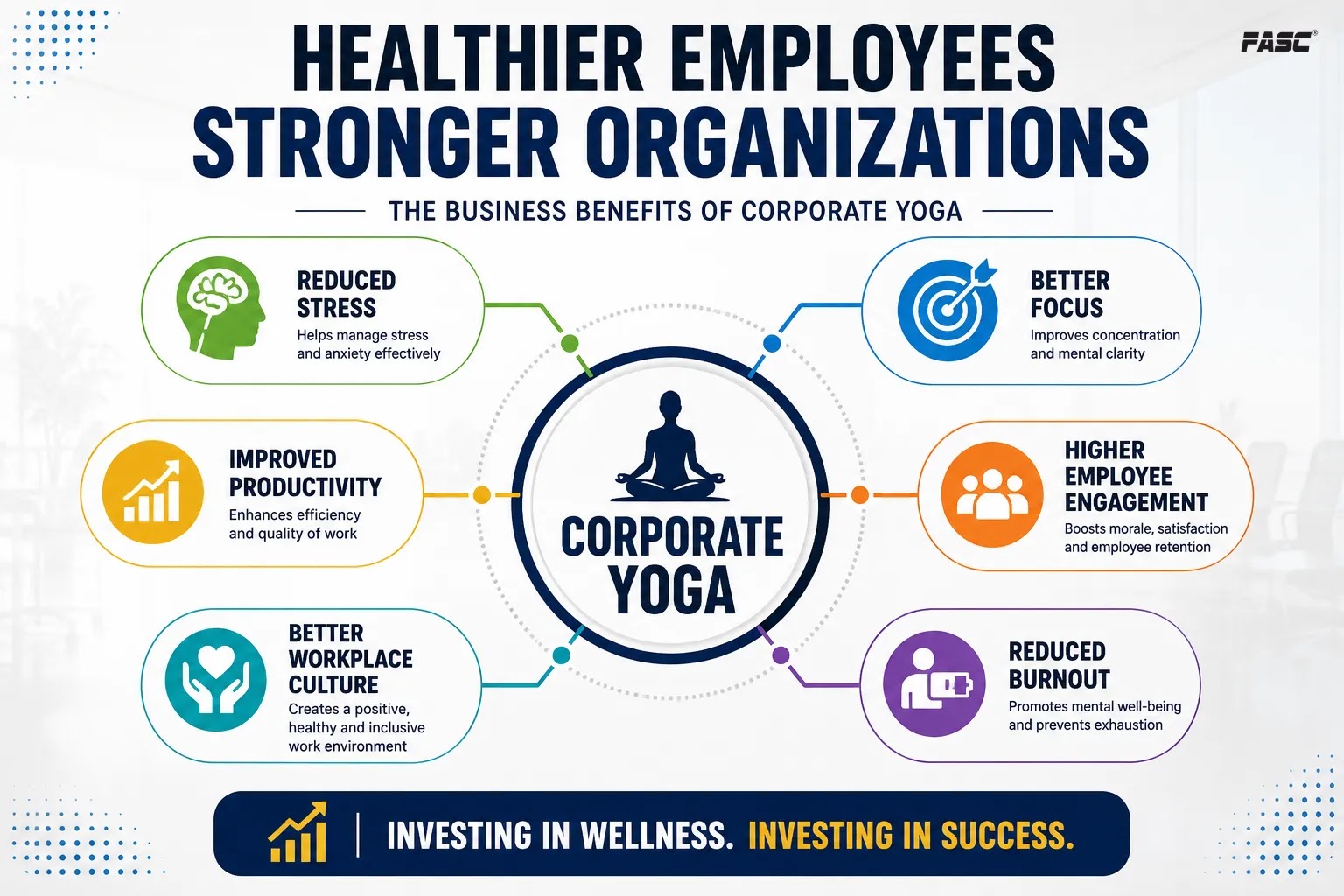
The Business Benefits Of Corporate Yoga
Corporate yoga is often viewed as an employee wellness initiative. However, its impact extends beyond individual health.
Reduced Absenteeism
Healthier employees are generally less likely to miss work due to preventable lifestyle-related issues.
Improved Employee Engagement
Organizations that invest in employee wellbeing often experience stronger workplace satisfaction and morale.
Stronger Employer Branding
Modern professionals increasingly value workplaces that prioritize wellbeing. Corporate wellness initiatives can help companies attract and retain talent.
Yoga Is Evolving Beyond Physical Fitness
One common misconception is that yoga is only about flexibility. Modern workplace yoga often focuses on:
- Breathing techniques
- Stress reduction
- Mental wellbeing
- Recovery
- Mindfulness
This broader approach makes yoga highly relevant to modern corporate environments.
The Shift Toward Holistic Wellness
Organizations are increasingly viewing wellness through a wider lens. Employee wellbeing now includes:
- Physical health
- Mental health
- Emotional wellbeing
- Work-life balance
Yoga naturally aligns with all of these areas.
The Role Of Hybrid And Online Yoga Programs
The rise of remote and hybrid work has changed how wellness programs are delivered. Today, many organizations offer:
- Virtual yoga sessions
- Guided meditation classes
- Online wellness workshops
- Hybrid wellness initiatives
This flexibility allows employees to participate regardless of location.
Corporate Yoga And Workplace Culture
Beyond physical health, yoga can influence workplace culture. Regular wellness activities encourage:
- Team participation
- Positive interactions
- Health-conscious habits
- Employee engagement
Over time, these initiatives can contribute to a healthier organizational environment.
Building Sustainable Wellness Habits
The most successful wellness programs focus on consistency rather than one-time events.
Corporate yoga can help employees develop long-term healthy habits that extend beyond the workplace.
Is Corporate Yoga A Trend Or A Necessity?
This is perhaps the most important question. A few years ago, workplace yoga may have been viewed as a wellness trend.
Today, the growing focus on:
- Employee wellbeing
- Mental health
- Burnout prevention
- Workplace productivity
suggests that wellness initiatives are becoming essential. As businesses become increasingly competitive, organizations may need healthier and more resilient workforces to maintain performance.
In that context, corporate yoga appears less like a trend and more like a practical solution.
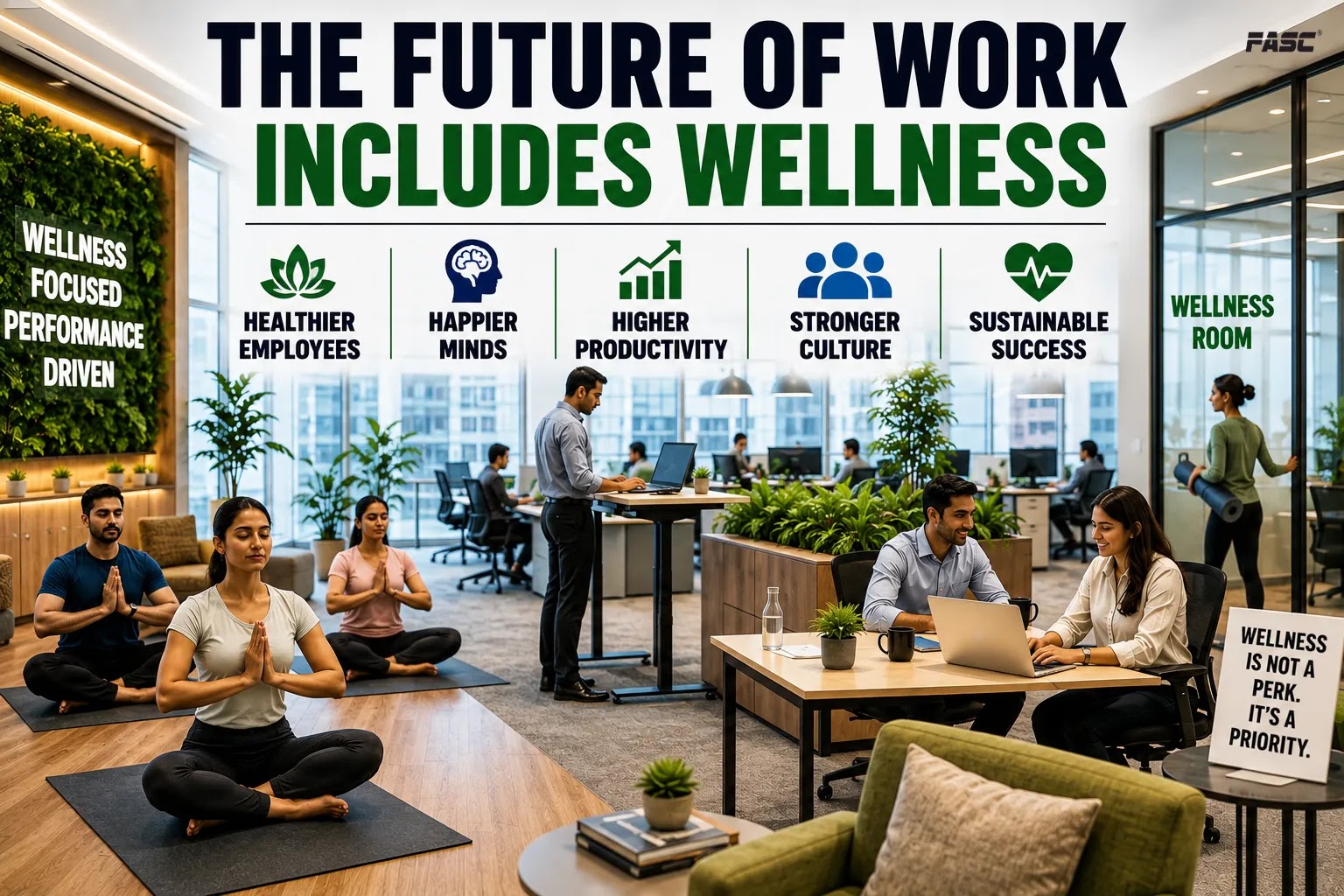
The Future Of Corporate Yoga In India
India is uniquely positioned to lead the global corporate yoga movement. As awareness around workplace wellness continues to grow, organizations may increasingly integrate yoga into:
- Employee wellness programs
- Leadership development initiatives
- Stress management strategies
- Workplace culture building
The future of corporate wellness is likely to be proactive rather than reactive. And yoga may play a central role in that transformation.
Recommended products from Yoga Coach
Conclusion
Corporate yoga is no longer limited to annual wellness events or symbolic initiatives. It is becoming part of a larger shift toward healthier, more sustainable workplaces.
By supporting physical health, mental wellbeing, focus, and workplace culture, yoga offers benefits that extend beyond individual employees and contribute to organizational success.
As Indian businesses continue to evolve, corporate yoga may move from being a nice-to-have wellness activity to a fundamental component of modern workplace wellbeing.
FAQs
1. What is corporate yoga?
Corporate yoga refers to yoga programs conducted within organizations to improve employee health, wellbeing, and workplace productivity.
2. Why are companies introducing yoga programs?
Companies use yoga to support stress management, physical health, employee engagement, and overall workplace wellness.
3. Does corporate yoga improve productivity?
Yoga can help improve focus, concentration, stress management, and overall wellbeing, which may positively influence productivity.
4. Can beginners participate in corporate yoga?
Yes. Corporate yoga programs are typically designed for people of all fitness levels and experience levels.
5. Is corporate yoga only about physical fitness?
No. Modern corporate yoga often includes breathing techniques, mindfulness, stress management, and mental wellbeing practices alongside physical movement.
Share :