- Gym
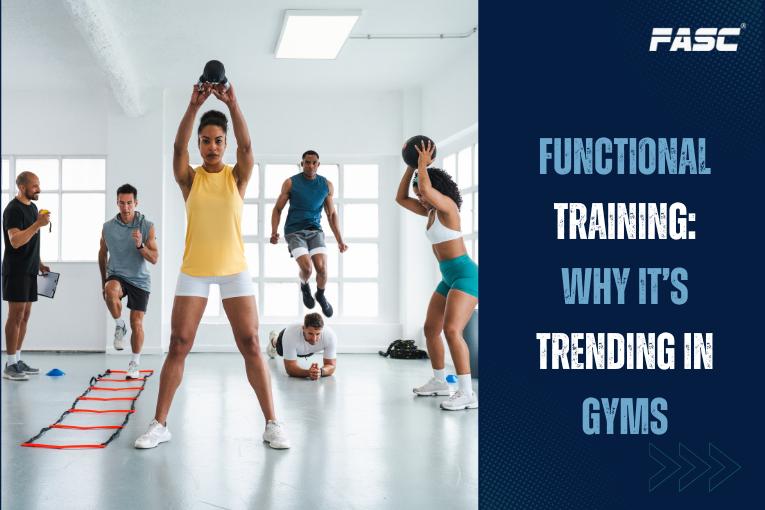
Functional Training: Why It’s Trending in Gyms
- Sep 19, 2025
- 4 min
Key Takeaways
- Functional training improves strength by focusing on real-life movement patterns.
- Functional fitness workouts are versatile and combine cardio, strength, and mobility.
- Boosts everyday strength & mobility
- Enhances balance, posture & core stability
- Start with a simple functional training plan and progress gradually for the best results.
If you’ve been to the gym recently, you’ve probably noticed something different — fewer rows of weight machines and more open spaces filled with kettlebells, battle ropes, medicine balls, and suspension trainers. This shift is driven by functional training, a fitness approach that’s taking over the health and wellness space. But what does functional training mean, and why is it suddenly everywhere?
Let’s break it down.
What Does Functional Training Mean?
In simple terms, functional training is exercise designed to improve your ability to perform everyday activities. Instead of working one muscle at a time, it trains your body to move as a whole, focusing on movement patterns such as squatting, lunging, pushing, pulling, and twisting.
Traditional gym machines isolate muscles (like bicep curls or leg extensions), but functional fitness workouts teach multiple muscles to work together — just like they do in real life. This not only builds strength but also improves balance, stability, and mobility.
Exercises
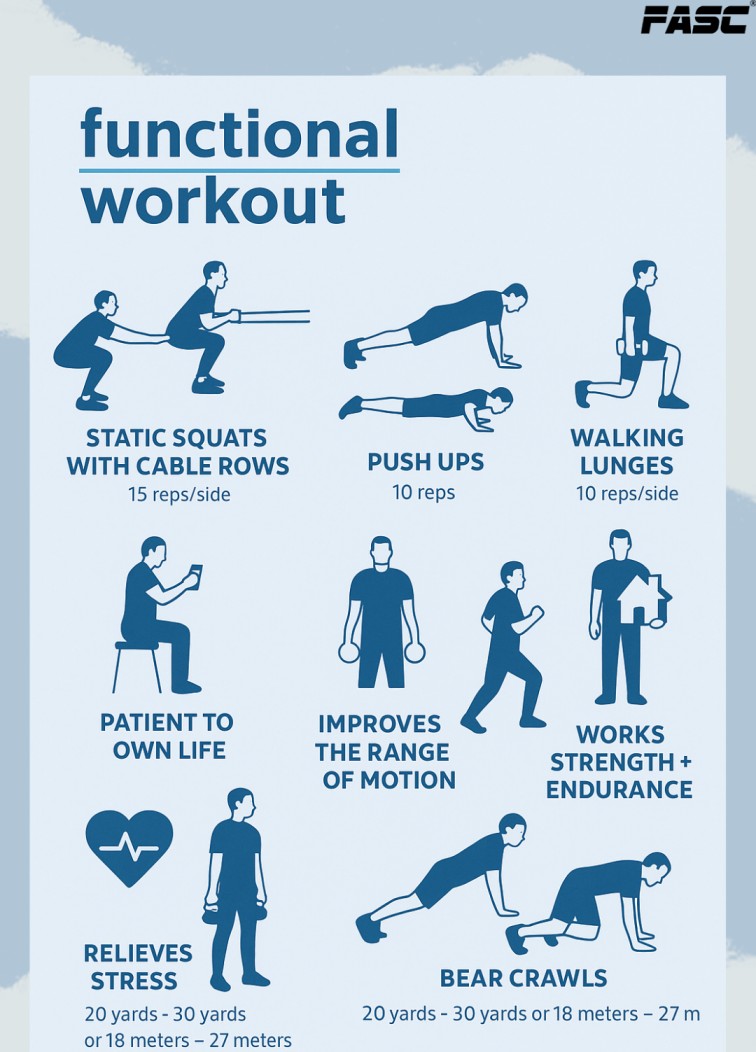
Functional exercises are movements that mimic activities you do daily. Some popular functional training exercises include:
- Squats – Help with sitting, standing, and lifting.
- Lunges – Improve balance and single-leg strength.
- Push-ups – Strengthen your chest, shoulders, and core.
- Pull-ups or Rows – Develop your back and grip strength.

Benefits of Functional Training
Functional training focuses on exercises that mimic real-life movements, helping you move better and stay injury-free. It’s all about building strength, balance and flexibility.
1. Improves Everyday Strength
2. Enhances Core Stability
3. Boosts Balance & Coordination
4. Helps Prevent Injuries
Why Functional Fitness Is Trending in Gyms
Functional fitness is trending in gyms because people want workouts that improve real-life movement, not just build muscle. These exercises boost mobility, strength and help you lift and move better in daily life.
1. Open Functional Spaces
Functional fitness is trending in gyms because people want workouts that improve real-life movement, not just build muscle. These exercises boost mobility, strength, and coordination, helping you lift and bend.
2. Group Training Popularity
Functional training has fueled the rise of group formats like Bootcamps, CrossFit, and F45. People love the mix of high energy, structured routines, and friendly competition. Working out in groups keeps motivation high and makes fitness feel social.
3. Celebrity & Influencer Appeal
Fitness influencers and athletes frequently share their functional training workouts on Instagram, YouTube, and TikTok. This visibility inspires followers to try similar moves and incorporate them into their routines.
4. Focus on Longevity
People are no longer training just for aesthetics; they want better mobility, balance, and pain-free living. Functional fitness improves posture, core strength, and joint health, supporting healthy aging. Many physiotherapists now recommend it to prevent injuries.
5. Group Training Popularity
Smart fitness trackers, apps, and connected equipment make functional workouts easier to measure and gamify. Users can track reps, heart rate, and progress over time. The workouts are also easily scaled for everyone..
Suggested Equipments
You don’t need fancy machines, but the right tools can take your workout to the next level, you can also consider getting in touch with a gym trainer who can guide you throughout your journey.
-
TRX or Suspension Trainers – Perfect for bodyweight workout.
-
Kettlebells & Dumbbells – Great for dynamic strength training.
Conclusion
Functional training is not just a fitness trend — it’s a smarter way to train for life. By focusing on movement patterns, core stability, and mobility, functional fitness helps you get stronger, prevent injuries, and stay active at every stage of life.
Whether you’re a beginner, an athlete, or someone looking to improve daily movement, adding a functional training plan to your routine can transform how you feel and perform. Next time you hit the gym, step into the functional zone and try it out — your future self will thank you.
FAQs
1. What does functional training mean?
Functional training means exercises that mimic everyday activities like squatting, pulling, and twisting to improve strength, stability, and mobility.
2. What are functional exercises?
Functional exercises include squats, lunges, push-ups, planks, kettlebell swings, and medicine ball slams all focusing on multiple muscle groups at once.
3. Is functional training good for beginners?
Yes! Beginners can start with bodyweight functional fitness workouts and gradually add resistance bands, kettlebells, or suspension trainers.
4. How many times a week should I do functional training?
2–3 sessions per week are ideal to see strength and mobility improvements without overtraining.
5. Can functional training replace traditional gym workouts?
It can, but combining functional training with traditional strength training offers a more well-rounded fitness routine.
Share :
-Everything-You-Need-to-Get-Started.png)