- Fitness
How to Choose the Right Sports Equipment Based on Your Fitness Goals
- Jun 06, 2025
Key Takeways:
- Choosing the right equipment boosts performance, prevents injury, and keeps workouts goal-oriented.
- Clearly defined fitness goals—like weight loss or strength gain—are the foundation of smart equipment choices.
- Cardio-focused tools like treadmills and jump ropes are ideal for fat-burning and weight loss.
- Free weights, benches, and resistance bands support effective muscle building and strength training.
- Endurance training benefits from machines like stationary bikes and rowers that track heart rate and duration.
- Flexibility and mobility improve with yoga mats, foam rollers, and stability tools for stretching and recovery.
- Sport-specific equipment enhances agility, speed, and skill development tailored to individual athletic needs.
- Rehab-friendly gear like resistance bands and balance tools supports safe recovery and injury prevention.
- Practical factors—space, budget, time, and motivation—are critical in choosing sustainable fitness gear.
- Start small, align with your goals, and evolve your equipment as your fitness journey progresses.
Whether you’re new to fitness or a seasoned athlete aiming to elevate your game, choosing the right sports equipment is essential. The proper gear not only improves your performance but also helps prevent injuries and keeps you motivated throughout your journey. With countless options available, finding equipment that aligns perfectly with your fitness goals can feel overwhelming.
With countless options available, finding equipment that aligns perfectly with your fitness goals can feel overwhelming. However, selecting the right tools is key to maximizing your results and making your workouts more effective and enjoyable. However, selecting the right tools is key to maximizing your results and making your workouts more effective and enjoyable.
Let’s break down how to align your sports equipment choices with your specific fitness objectives—whether that’s building strength, improving cardiovascular endurance, increasing flexibility, or enhancing sports performance.
Why is Choosing the Right Sports Equipment Based on Your Fitness Goals Important?
Choosing the right sports equipment based on your fitness goals is crucial because it directly impacts your performance, safety, and progress. Using gear that aligns with your goals—whether it's weight loss, strength building, or endurance—helps you train more effectively and avoid injury. The right equipment also boosts motivation by making workouts more comfortable and results-driven.
Moreover, using the appropriate sports equipment ensures you're targeting the right muscle groups and movements for your desired outcomes. For example, resistance bands are great for toning, while heavy weights are better suited for building muscle mass. Tailoring your equipment to your fitness goals makes your workouts more efficient and maximizes your overall results.
How to Choose the Right Sports Equipment Based on Your Fitness Goals
To choose the right sports equipment, start by identifying your specific fitness goals—like weight loss, muscle gain, or flexibility. Then, select gear that supports those goals, ensuring it matches your skill level and workout style.
1. Understand Your Fitness Goals First
Before heading to a sports store or browsing online, clearly define what you want to achieve. Whether it's building muscle, losing weight, improving endurance, or enhancing flexibility, knowing your goal helps narrow down the right equipment. This clarity ensures your investment supports your progress effectively.
- Weight loss and fat burning
- Muscle building and strength
- Cardiovascular endurance
- Flexibility and mobility
- Sports-specific performance (e.g., tennis, basketball, running)
- Rehabilitation or injury prevention
Your goals will directly inform the type of equipment that’s most beneficial.
2. For Weight Loss and Fat Burning
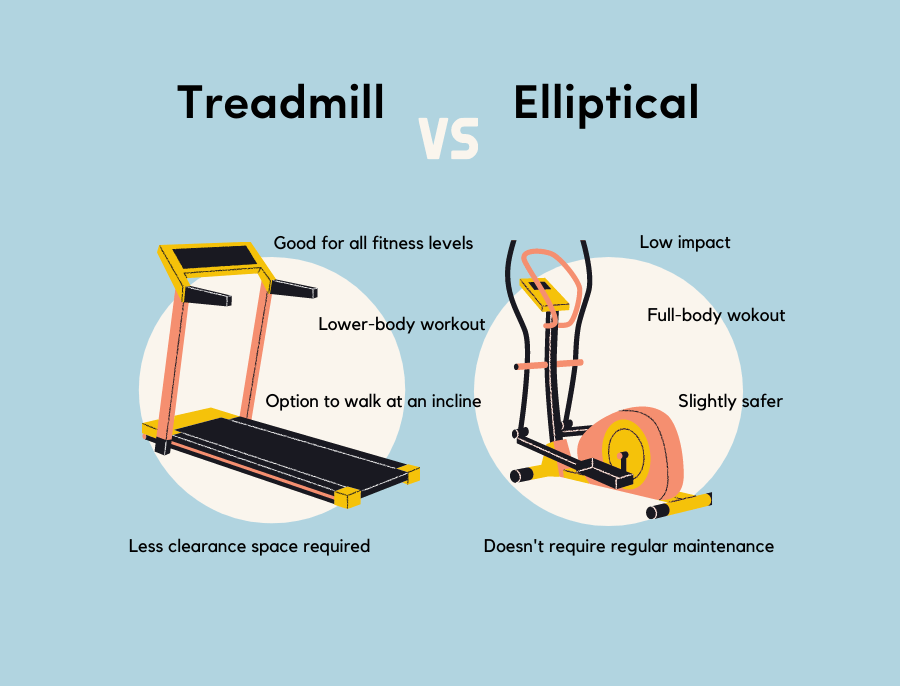
If your main goal is to lose weight or burn fat, go for cardio-focused equipment like treadmills, ellipticals, or jump ropes. These tools help increase your heart rate and maximize calorie burn. Portable options like resistance bands can also add intensity to bodyweight workouts.
Recommended Equipment:
- Treadmill or Elliptical: Great for steady-state cardio and interval training.
- Jump Rope: An inexpensive, portable tool that burns a high number of calories quickly.
- Kettlebells: Ideal for metabolic conditioning, combining strength and cardio.
- Resistance Bands: Useful for adding resistance to bodyweight workouts without requiring heavy machines.
Tips:
- Choose equipment that supports HIIT (High-Intensity Interval Training) if time is limited.
- Prioritize gear that allows for variety to avoid workout boredom.
3. For Muscle Building and Strength
Building muscle requires resistance training using free weights, resistance bands, or strength machines. Choose equipment based on your fitness level, available space, and target muscle groups.
Recommended Equipment:
- Dumbbells and Barbells: Versatile and essential for compound exercises like squats, bench press, and deadlifts.
- Adjustable Bench: Enables a variety of upper-body workouts.
- Weight Plates and Racks: Needed for progressive overload.
- Resistance Bands with Handles: Great for isolating muscles and adding controlled resistance.
- Power Rack or Squat Rack: A safe and effective station for lifting heavier weights.
Tips:
- Invest in adjustable sets to save space and money.
- Make sure your equipment can scale with your progress as you get stronger.
4. For Cardiovascular Endurance
To improve cardiovascular endurance, choose equipment designed for steady, prolonged aerobic workouts like rowing machines, stationary bikes, or treadmills. Look for devices with features that track your heart rate, distance, and time to monitor your progress.
Recommended Equipment:
- Stationary Bike or Spin Bike: Low-impact cardio that’s easy on joints.
- Rowing Machine: Full-body cardio workout that also builds muscular endurance.
- Treadmill with Incline Feature: Simulates hill runs and increases workout intensity.
- Heart Rate Monitor or Fitness Tracker: Helps keep workouts within your target heart zone.
Tips:
- Choose machines that offer pre-set programs and heart rate integration.
- Mix equipment used to keep workouts engaging and balanced.
5. For Flexibility and Mobility
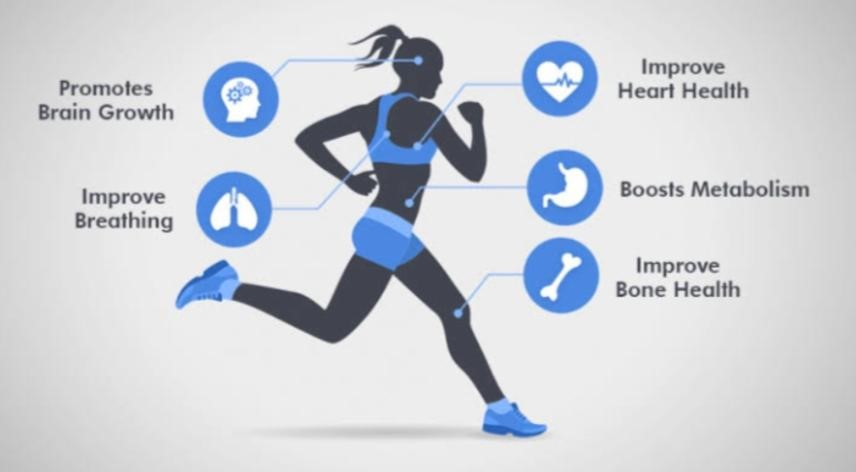
Flexibility is key to preventing injuries and enhancing overall performance. Use equipment like yoga mats, foam rollers, and balance balls to support stretching and improve body awareness. These tools help increase range of motion and promote better movement patterns.
Recommended Equipment:
- Yoga Mat: Provides a non-slip surface for stretching and bodyweight exercises.
- Foam Roller: Excellent for myofascial release and improving range of motion.
- Yoga Blocks and Straps: Help deepen stretches and maintain proper alignment.
- Balance Board or Stability Ball: Enhances core strength and coordination.
Tips:
- Use this equipment during warm-ups and cool-downs.
- Incorporate mobility tools into daily routines for long-term improvement.
6. For Sports-Specific Training
When training for a particular sport like tennis, soccer, or basketball, choose equipment that mimics the movements and skills required. This can include agility ladders, resistance bands, or sport-specific balls and gear. Using the right tools helps improve your performance and reduces the risk of injury during play.
Recommended Equipment:
- Agility Ladder: Improves foot speed and coordination.
- Medicine Balls: Useful for explosive power and sport-specific drills.
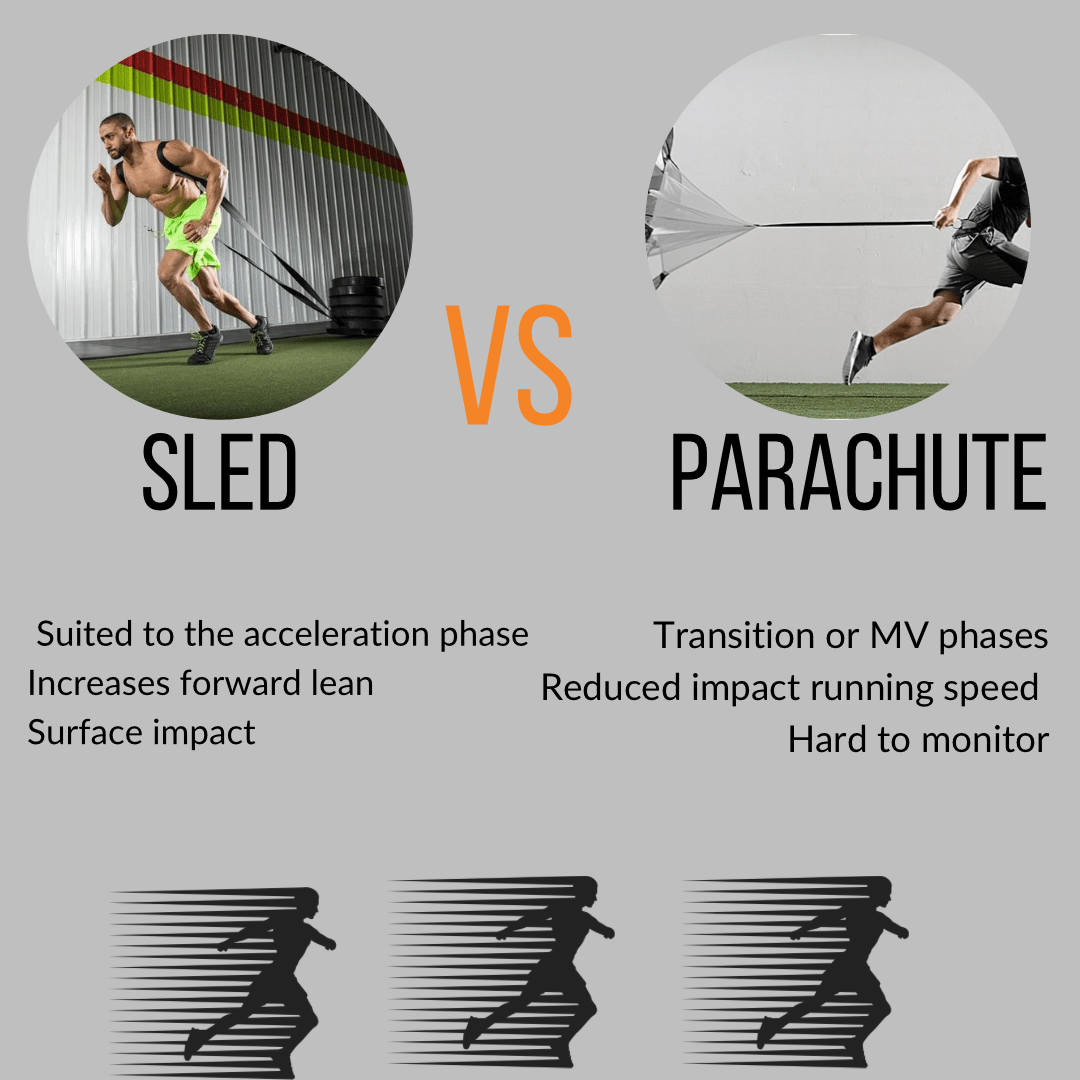
- Resistance Parachutes or Speed Sleds: Great for sprint training.
- Sport-Specific Gear: Rackets, cleats, balls, gloves, etc.
Tips:
- Choose multi-purpose equipment that can enhance several aspects of your sport (e.g., agility, endurance, reaction time).
- Don’t neglect recovery gear—sports training can be intense on the body.
7. For Rehabilitation and Injury Prevention
If you’re recovering from an injury or aiming to prevent one, focus on low-impact equipment like resistance bands, balance boards, and foam rollers. Supportive gear such as braces or compression sleeves can also help protect vulnerable areas.
Recommended Equipment:
- Resistance Bands: Gentle on joints but effective for muscle activation.
- Stability Ball: Great for controlled movement and posture work.
- Balance Disc or BOSU Ball: Improves stability and proprioception.
- Compression Gear or Braces: Provides support during recovery exercises.
Tips:
- Consult a physiotherapist before purchasing.
- Focus on form and gradual progression rather than intensity.
8. Consider Space, Budget, and Lifestyle
While your fitness goals are important, it’s equally vital to choose equipment that fits your available space and budget. Also, consider how the gear aligns with your daily routine and motivation to ensure consistent use. Practical choices make it easier to stick with your fitness plan long-term.
- Space: If you’re in an apartment, opt for foldable or compact equipment like resistance bands or adjustable dumbbells.
- Budget: Start with essentials. Many effective tools like jump ropes, foam rollers, and kettlebells are affordable.
- Time: If you're short on time, equipment that supports quick, full-body workouts (like suspension trainers) is ideal.
- Motivation: Choose gear you’re excited to use. Enjoyment leads to consistency.
Conclusion
Choosing the right sports equipment doesn’t have to be complicated. By aligning your gear with your specific fitness goals and considering practical factors like space and budget, you can make smart choices that support your progress. Remember, you don’t need everything at once—starting small and building up over time is perfectly fine.
As you grow stronger and your goals change, revisit your equipment and stay on track and motivated. Ultimately, the right tools are there to empower your fitness journey, helping you become healthier, stronger, and more confident—while enjoying every step along the way.
FAQ's
1. Why is it important to choose sports equipment based on my fitness goals?
Choosing gear that matches your fitness goals enhances performance, minimizes injury risk, and ensures more effective, motivating workouts. The right equipment helps target the correct muscle groups and supports your progress efficiently.
2. What type of equipment is best for weight loss and fat burning?
For fat burning, focus on cardio-oriented gear like treadmills, ellipticals, jump ropes, and kettlebells. These help increase heart rate and calorie burn, making workouts more efficient for weight loss.
3. What equipment should I use to build muscle and strength?
Dumbbells, barbells, resistance bands, power racks, and adjustable benches are excellent for muscle building. These tools support progressive overload and target various muscle groups effectively.
4. How can I improve flexibility and mobility with equipment?
Use yoga mats, foam rollers, yoga blocks, and stability balls. These tools aid in stretching, myofascial release, and improving your body’s range of motion.
5. What should I consider before buying sports equipment for home use?
Take into account your fitness goals, available space, budget, and lifestyle. Start with essential, versatile items that you’ll use consistently, and gradually expand your setup as needed.
Share :