

- Gym
Pre- and Post-Workout Nutrition: What to Eat, When to Eat, and Why It Matters

- Jan 09, 2026
- 4 min
Key Takeaways
- Training stresses the body; nutrition determines how well it recovers and adapts
- Proper pre-workout nutrition improves energy, focus, and performance
- Post-workout protein without carbohydrates limits recovery
- Workout nutrition timing is a basic discipline, not advanced science
- Whole foods outperform supplements for sustainable fitness progress
Why Workout Nutrition Matters
Training alone does not guarantee results. You can exercise consistently and still feel tired, sore, or stuck. That’s not bad luck—it’s poor fueling.
Nutrition directly affects:
- Workout performance
- Recovery speed
- Muscle adaptation
- Long-term training consistency
Skipping meals, eating randomly, or relying on junk food leads to fatigue, weak workouts, and slow recovery. Smart nutrition supports the work you put in at the gym.
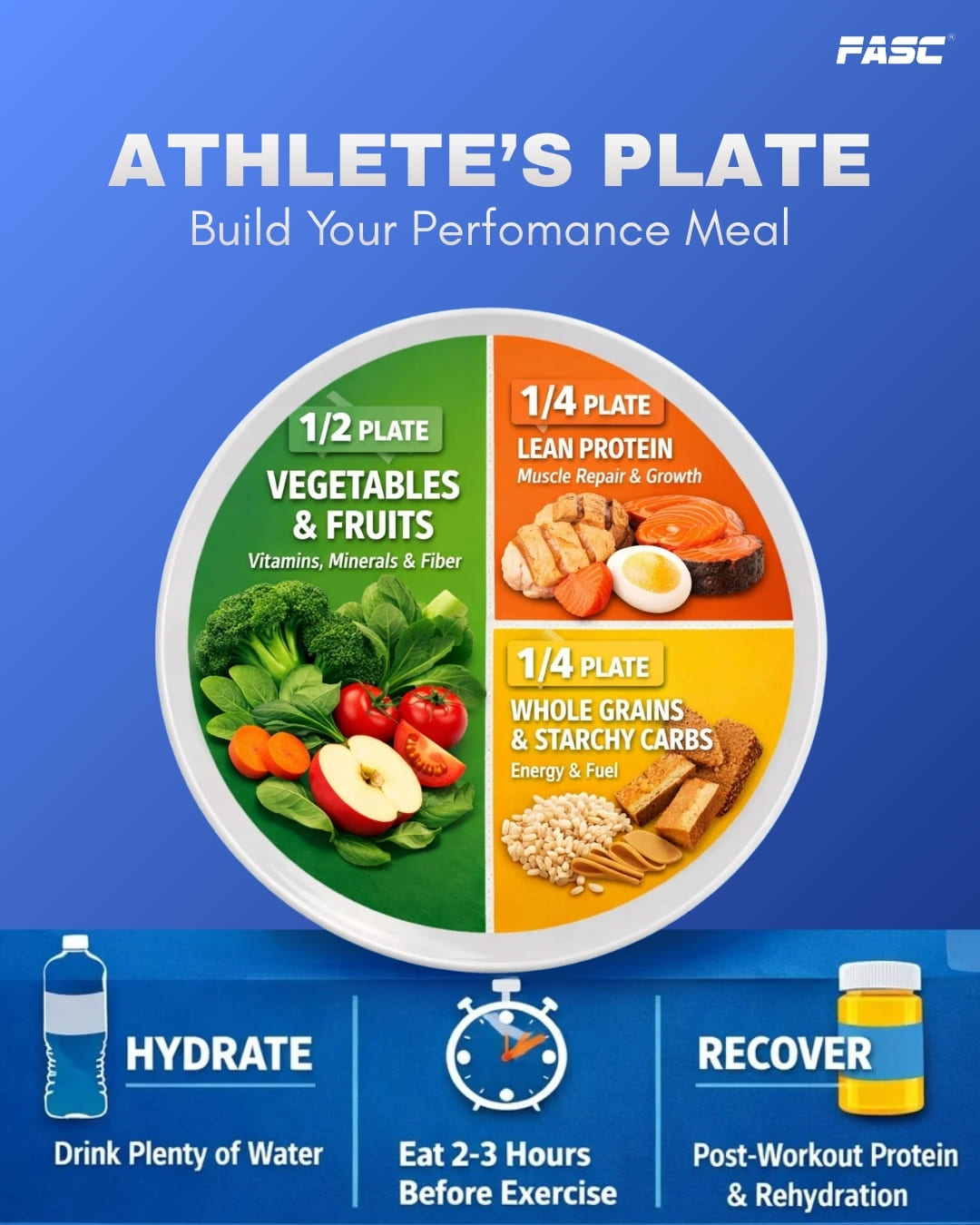
Why Nutritional Timing Is Important
When you eat matters almost as much as what you eat. Effective workout nutrition timing helps the body respond positively to training stress:
- Pre-workout meals fuel intensity, stamina, and focus
- Post-workout meals repair muscle and restore glycogen
- Poor timing increases fatigue, delays recovery, and raises injury risk
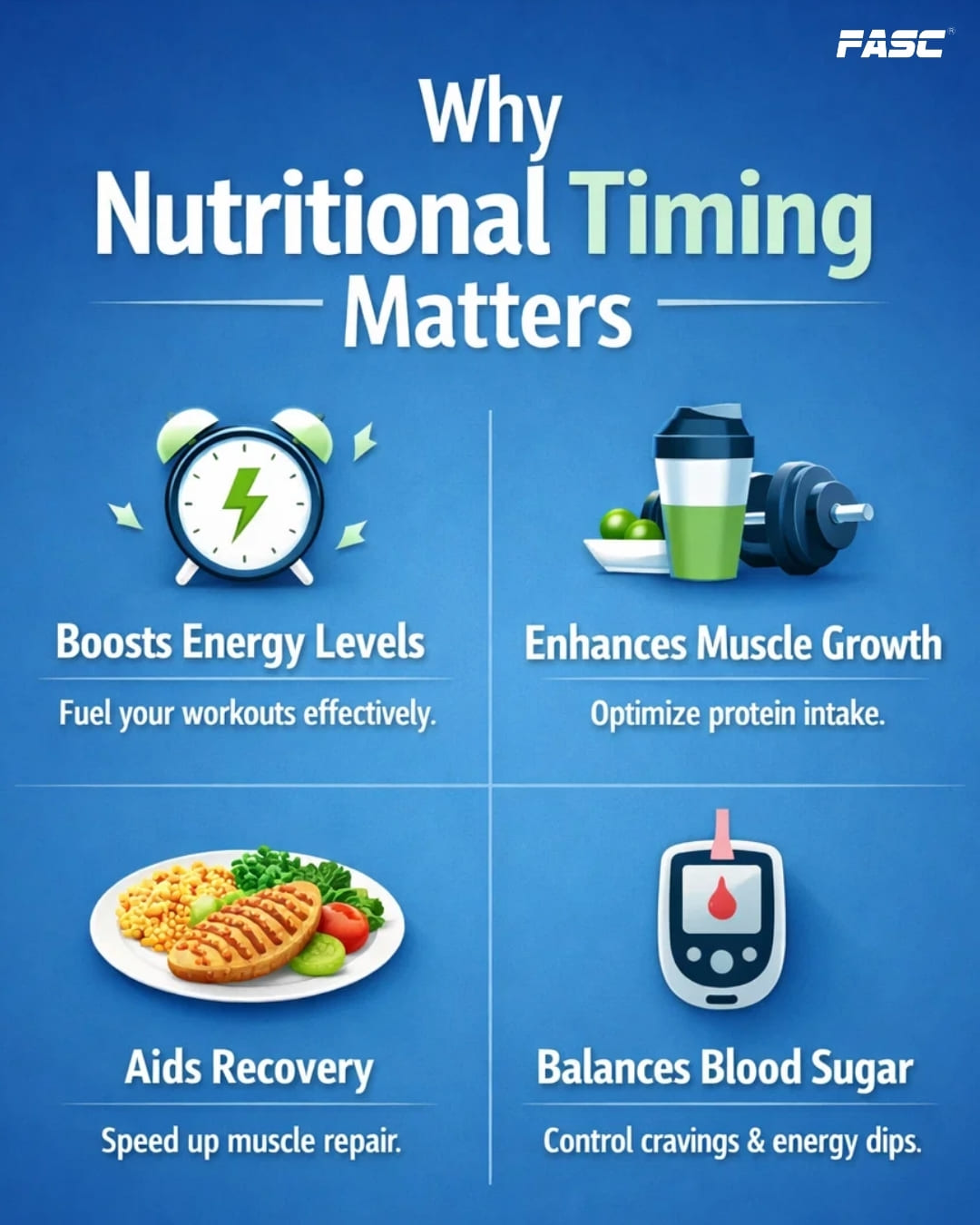
This is not elite athlete nutrition—it’s basic discipline. Ignore it, and performance drops.
Pre-Workout Nutrition: What to Eat Before a Workout
When to eat: 30–90 minutes before training
Main goal: Provide usable energy without digestive discomfort
Training without fuel leads to faster exhaustion and reduced performance. Pre-workout meals should be carbohydrate-focused, moderate in protein, and low in fat.
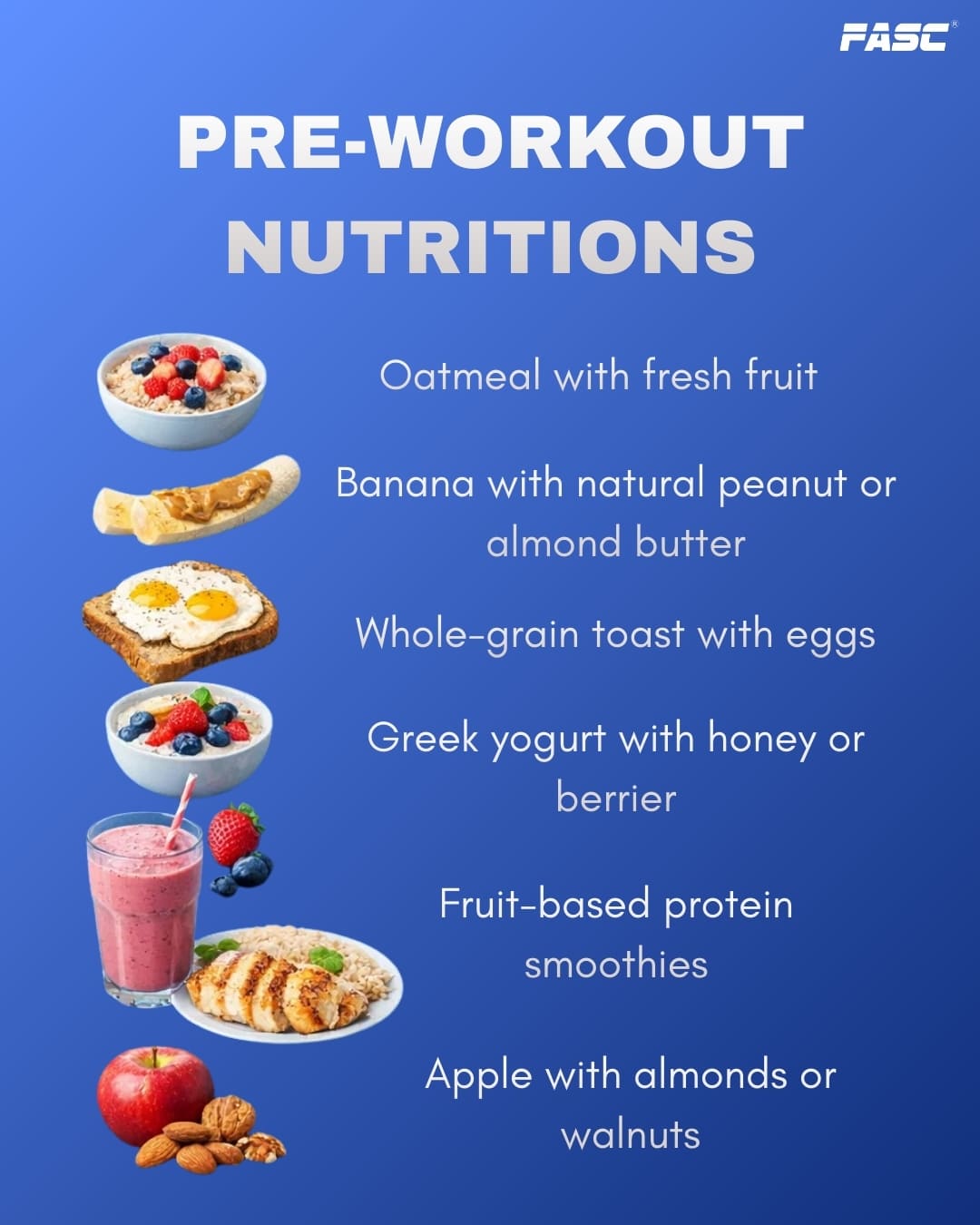
Best Pre-Workout Food Options
- Oatmeal with fresh fruit
- Banana with natural peanut or almond butter
- Whole-grain toast with eggs (For Non Vegetarians)
- Greek yogurt with honey or berries
- Fruit-based protein smoothies
- Brown rice with lean chicken (for long or intense sessions)
- Apple with almonds or walnuts
Straight Talk:
Heavy, greasy, or junk foods slow digestion and reduce training quality—there are no exceptions.
Post-Workout Nutrition: What to Eat After a Workout
When to eat: Within 30–60 minutes after training
Main goal: Muscle repair, glycogen replenishment, and recovery support
After a workout, your body is primed to absorb nutrients. Consistently missing this recovery window may slow progress over time.
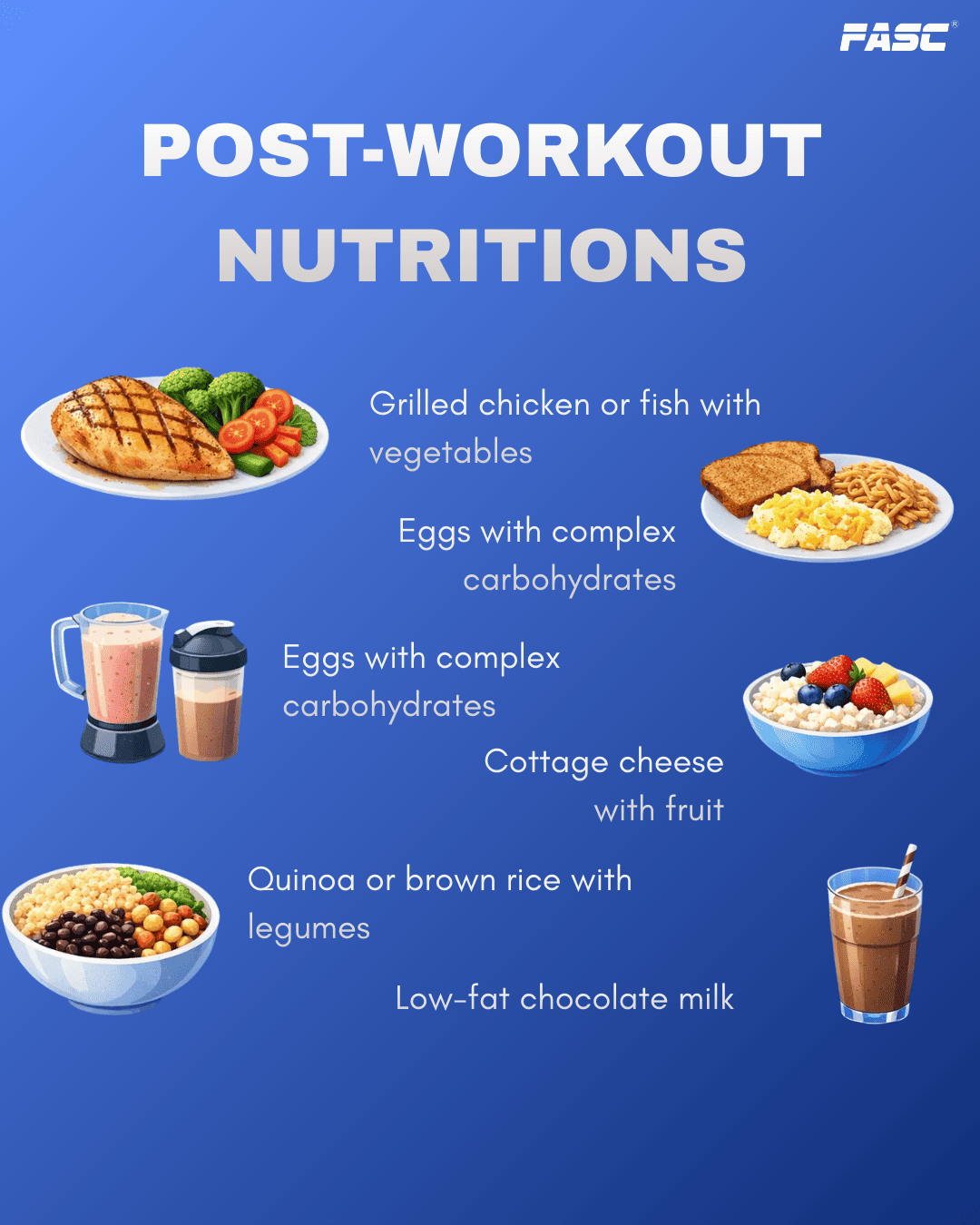
Best Post-Workout Food Options
- Grilled chicken or fish with vegetables (For Non- Vegetarians)
- Eggs with complex carbohydrates (For Non- Vegetarians)
- Protein shakes or recovery smoothies with carbohydrates included
- Cottage cheese with fruit
- Quinoa or brown rice with legumes
- Sweet potatoes
- Low-fat chocolate milk
Hydration and Electrolytes
Hydration strategy is a key part of a workout recovery nutrition plan. For long or high-intensity sessions, electrolytes are necessary to replace what is lost through sweat and support muscle function.
Common Nutrition Mistakes That Kill Progress
These habits quietly sabotage results:
- Skipping meals before intense training
- Consuming protein alone after workouts
- Over-relying on supplements instead of food
- Eating junk food post-workout “as a reward”
- Drinking alcohol after training
None of these support recovery. All of them delay progress.
Conclusion
Effective training is not just about effort—it’s about supporting that effort correctly.
- Pre-workout nutrition improves performance capacity
- Post-workout nutrition accelerates recovery and muscle adaptation
When done consistently, proper pre- and post-workout nutrition helps you train harder, recover faster, reduce injury risk, and make real progress. Individual needs can vary based on training load, lifestyle, and health status.
Frequently Asked Questions About Workout Nutrition
Is pre-workout nutrition necessary for every session?
Not always. Low-intensity workouts may not require it. Moderate to high-intensity sessions do.
Are supplements required for results?
No. Whole foods meet most nutritional needs. Supplements are tools—not foundations.
Should carbohydrates be eaten after workouts?
Yes. Carbohydrates restore glycogen and directly support muscle recovery.
What should be avoided after training?
Highly processed foods, excess sugar, and alcohol.
Disclaimer: This content is for educational purposes only and does not replace professional medical or nutritional advice.
Share :
Recent Blog




- Sep 04, 2026
