- Sports
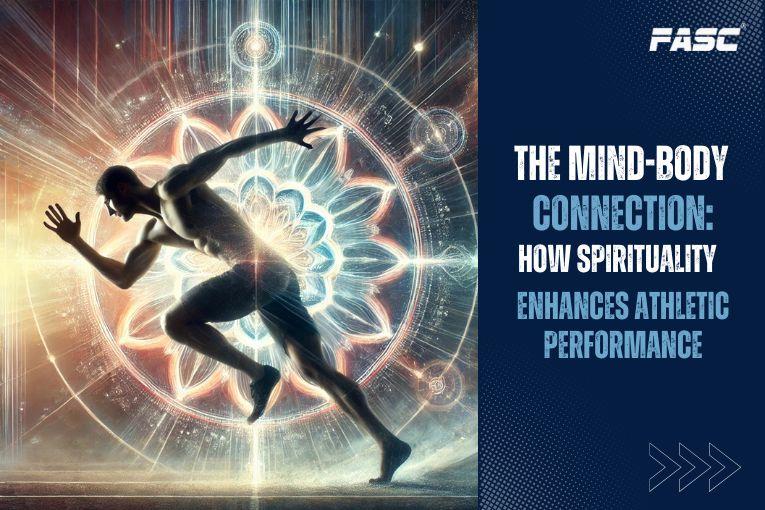
The Mind-Body Connection: How Spirituality Enhances Athletic Performance
- Jan 24, 2025
Athletic performance is not just about being strong and fast. It also depends on how well the mind and body work together. When athletes use spirituality and mindfulness, they can improve their focus, become stronger mentally, and perform better overall. Let’s see how spirituality can help athletes and make a difference in their performance.
What Is Spirituality in Sports?
Spirituality doesn’t just mean religion. It also includes practices like mindfulness, meditation, and feeling connected to something bigger than yourself. For athletes, this can mean feeling a sense of purpose and staying connected to their goals.
How Does Spirituality Help?
Clear Thinking and Focus: Practices like meditation help athletes stay focused and calm. This reduces stress and distractions, making it easier to make good decisions, whether playing cricket, basketball, or any other sport.
Strength During Tough Times: Spirituality helps athletes see challenges as opportunities to grow. Instead of feeling upset about failure, they learn from it and come back stronger.
Better Recovery: Mindful activities like yoga and deep breathing can help the body and mind relax. This reduces stress and helps athletes sleep better, which is important for performing well.
Teamwork and Unity: In team sports, spirituality can help players feel more connected to each other. Practices like meditation or team gratitude exercises can build trust and harmony.
Easy Practices to Connect the Mind and Body
Athletes can try these simple activities to improve their mind-body connection:
Meditation: Spend a few minutes each day focusing on your breath or a calming thought. This can help clear your mind and reduce stress.
Visualization: Imagine yourself succeeding in your sport. For example, a basketball player might picture scoring the winning basket. This helps you feel confident and ready to perform.
Gratitude Journaling: Write down things you’re thankful for, like your progress or supportive teammates. This keeps you motivated and focused on the positive.
Yoga: Yoga can help you stretch, balance, and stay calm. It’s great for both your body and mind. Regular yoga practice can also improve your flexibility and prevent injuries.
Real-Life Examples of Spirituality in Sports
Many famous athletes use spirituality to stay at the top of their game:
Virat Kohli: The Indian cricket captain uses mindfulness and mental discipline to stay focused and perform well, even under pressure. He often credits his success to the balance between his mind and body.
LeBron James: The basketball superstar practices meditation to stay calm and strong during important games. His dedication to mindfulness has helped him maintain peak performance throughout his career.
Novak Djokovic: The tennis champion incorporates yoga and meditation into his daily routine. These practices help him stay grounded and resilient, even during tough matches.
The Science Behind It
Science shows that mindfulness can make the brain work better. It increases gray matter in the brain, which helps with focus and decision-making. Meditation also lowers stress hormones like cortisol, making it easier for athletes to perform well in high-pressure situations. Additionally, yoga and deep breathing can improve lung capacity and reduce muscle tension, which directly benefits physical performance.
Research also shows that visualization can improve performance. When athletes imagine themselves succeeding, their brains create neural pathways that prepare them for the actual event. This makes it easier to execute their skills during competition.
Why the Mind-Body Connection Matters
When athletes take care of their minds and bodies together, they unlock new levels of performance. Spirituality and mindfulness can help them:
- Stay focused during games.
- Handle tough situations with a positive attitude.
- Recover faster and stay healthy.
- Work better with their teammates.
For example, team cohesion is critical in sports like football or basketball. When players practice mindfulness together, they develop trust and a stronger sense of unity. This connection can lead to better communication and collaboration on the field.
How to Start
If you’re an athlete who wants to improve your performance through spirituality, start small. Here are some tips:
Set Aside Time for Meditation: Even five minutes a day can make a difference. Find a quiet space, close your eyes, and focus on your breathing.
Practice Gratitude: Before or after practice, think about three things you’re grateful for. This simple habit can boost your mood and motivation.
Incorporate Yoga into Your Routine: Attend a yoga class or follow an online video. Focus on stretches that improve your flexibility and balance.
Visualize Success: Before a game or practice, take a few minutes to picture yourself performing well. Imagine every detail, from the way you move to the cheers of the crowd.
Join a Team Meditation Session: If you play a team sport, suggest meditating together before games. This can help everyone feel calm and focused.
Benefits Beyond Sports
The benefits of spirituality and mindfulness go beyond the playing field. Athletes who practice these techniques often feel happier, more confident, and better able to handle life’s challenges. These skills can also help with school, work, and relationships.
For example, staying calm under pressure is a skill that can help in exams or job interviews. Practicing gratitude can make you a more positive and supportive teammate or friend.
Conclusion
Athletes often spend a lot of time training their bodies, but training the mind is just as important. Spirituality and mindfulness can help athletes perform better, feel happier, and enjoy their sport more. By practicing meditation, visualization, gratitude, and yoga, athletes can build a strong connection between their minds and bodies. This connection is the secret to becoming a truly great athlete.
Whether you’re a beginner or a professional, it’s never too late to start exploring the mind-body connection. Take small steps, stay consistent, and watch how these practices transform your performance and your life.
Share :
-Everything-You-Need-to-Get-Started.png)