- Fitness
The Role of Breathwork in Daily Life
- Jul 25, 2025
- 6 min
Key Takeaways:
- Breathwork is free, easy, and effective.
- Morning breathwork boosts calm energy.
- Midday breathing helps reset focus and reduce stress.
- Nighttime breathwork improves sleep quality.
- Practicing daily improves emotional balance and overall well-being.
Breathwork is a simple yet powerful practice that helps you manage stress, calm your mind, and connect with your body. In a world full of distractions and pressure, your breath can be a steady anchor. You don’t need to be a yoga expert—just a few minutes of conscious breathing each day can improve focus, reduce anxiety, and support emotional balance. Breathwork also plays a key role in yoga, acting as a bridge between the body and mind.
This blog explores what breathwork is, how it helps in daily life, and how beginners can easily get started anytime, anywhere.
What is Breathwork?
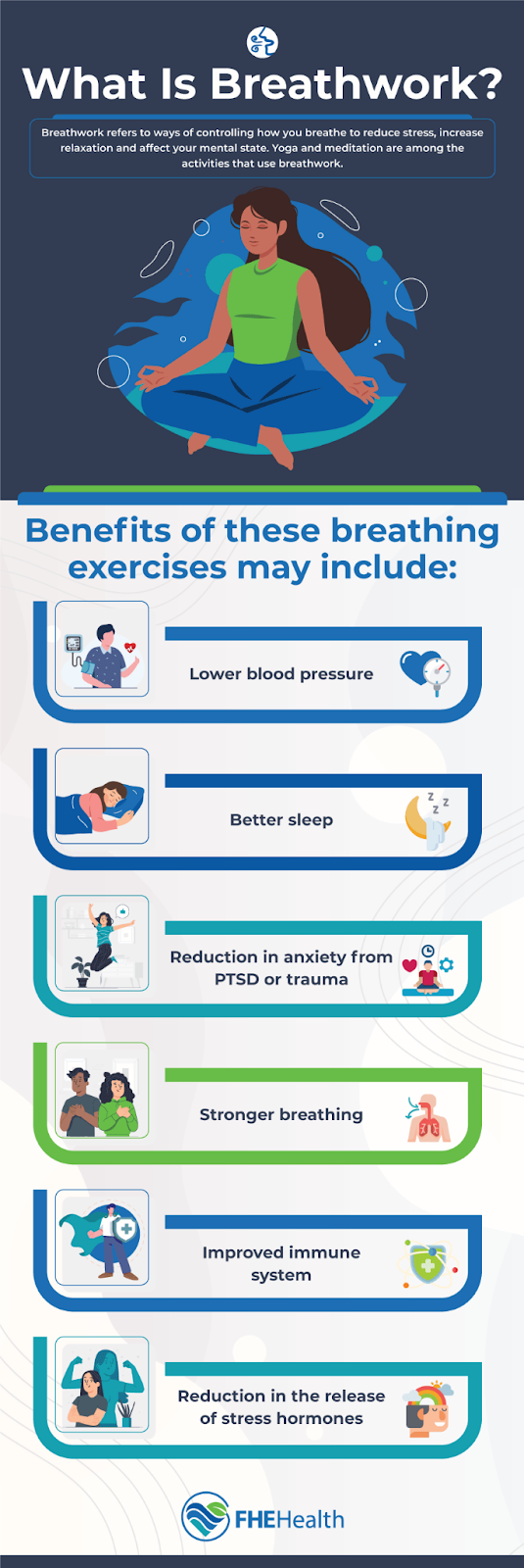
Breathwork is the practice of intentionally controlling your breath to improve your health, mood, and awareness. In yoga, it is often called pranayama, which means “extension of life force.” But breathwork is more than a yoga tool—it’s now widely used in therapy, mindfulness, fitness, and daily stress relief.
Breathwork helps slow down racing thoughts, lowers blood pressure, and makes you feel more centered. You might have already seen techniques like Google breathing exercise or apps that guide you through breath control. That’s because more people are realizing how powerful mindful breathing can be. With a good Yoga Mat which is soft, durable, and designed to give you a few minutes of mindful breathing, you’ll feel more grounded and centered, no matter how busy your day is.
How Breathwork Helps in Daily Life
Breathwork is a simple practice that helps you stay calm, focused, and balanced throughout the day. Just a few mindful breaths can reduce stress and instantly shift your mood—anytime, anywhere.
In the Morning
- Mornings often set the tone for the rest of the day. Instead of rushing into your to-do list, spend just 3–5 minutes doing breathwork. Try the 3-Part Breath, where you breathe deeply into your belly, ribs, and chest.
At Work or School
- Long hours at a desk or studying can lead to mental fatigue and stress. That’s when a short breathing break can work wonders. Use the Google breathing exercise (just search “Google breathing exercise” and it gives you a 1-minute guided breathing tool) or any trusted app like Calm or Headspace.
In Anxious Moments
- When anxiety hits, your breathing becomes shallow and fast, which can make you feel even more overwhelmed. Breathwork helps you regain control of your body and emotions. One of the best techniques for this is Nadi Shodhana (Alternate Nostril Breathing).
Easy Breathwork Techniques for Daily Life
You don’t need to be a yoga expert to start practicing breathwork. Here are a few simple breathing exercises you can try anytime—at home, at work, or even during a stressful moment.
1. Box Breathing
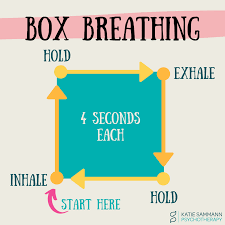
A favorite among athletes and Navy SEALs, this technique helps you regain control during stress or overwhelm. It’s a powerful way to reset your mind and body quickly.
- How to do it: Inhale for 4 seconds, hold for 4, exhale for 4, hold for 4.
- Duration: 2–3 minutes
- Benefits: This mindful breathing exercise is great for calming your nerves and increasing focus. It’s often used by athletes and even soldiers to stay grounded under pressure.
2. Nadi Shodhana (Alternate Nostril Breathing)
This ancient yogic practice helps balance both sides of the brain and calms the nervous system. It’s perfect before meditation or sleep.
- How to do it: Close your right nostril with your thumb and inhale through the left. Then close the left nostril and exhale through the right. Alternate sides for a few rounds.
- Duration: 5 minutes
- Benefits: Balances brain activity, lowers stress, and clears your mind. This is one of the best breathing exercises for anxiety.
3. Part Breath (Dirga Pranayama)

Learn how to use your full lung capacity with this deep, relaxing breathwork practice. It promotes emotional release and inner stillness.
- How to do it: Inhale deeply into your belly, then your ribs, and finally your chest. Exhale in reverse order.
- Duration: 5 minutes
- Benefits: This teaches you to breathe fully and deeply. It increases oxygen flow and brings more calm energy.
4. Bhramari (Humming Bee Breath)
This soothing practice uses vibration to quiet the mind and ease anxiety. A simple yet effective tool for inner peace.
- How to do it: Close your ears with your fingers, inhale deeply, and as you exhale, make a soft humming sound like a bee.
- Duration: 3–5 minutes
- Benefits: This soothes the mind, reduces anxiety, and improves concentration. It's a gentle form of breathwork meditation that’s great for kids and adults alike.
5. Alternate Nostril Breathing (Nadi Shodhana)
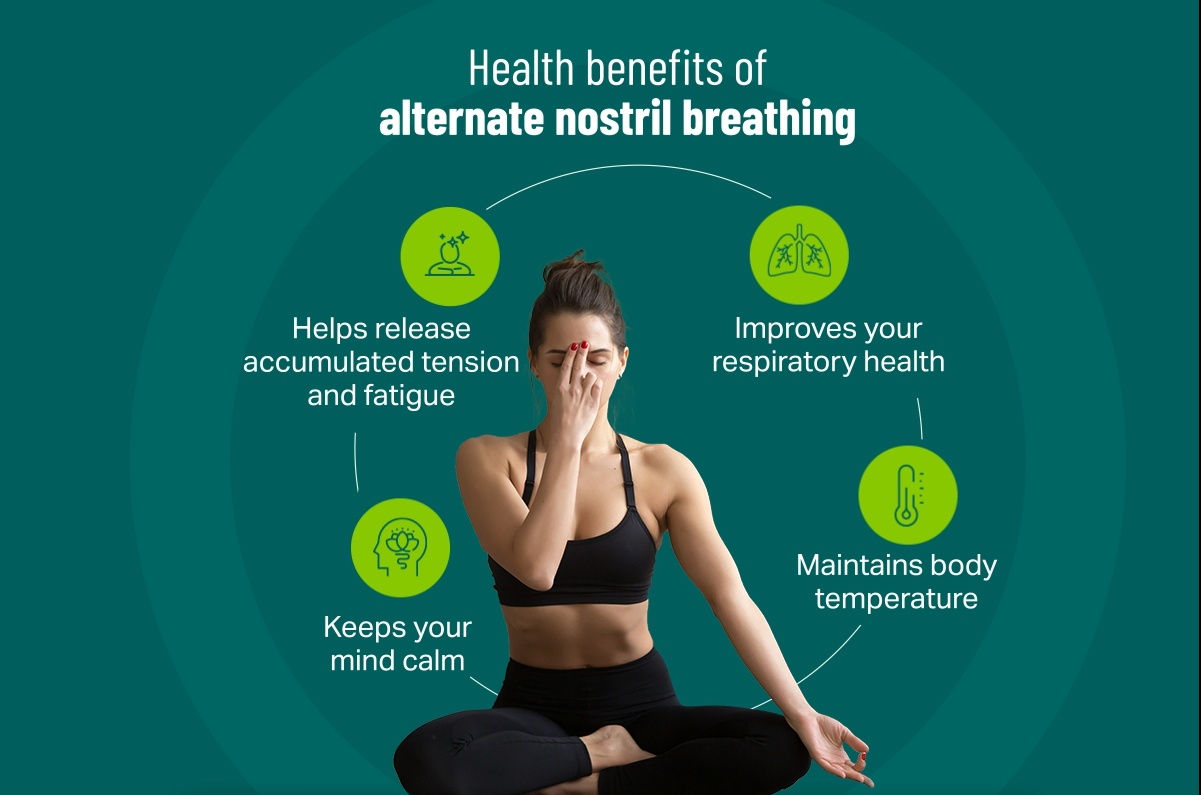
This traditional yogic practice is ideal for restoring mental balance, reducing stress, and boosting focus. It's a gentle yet powerful technique to calm both body and mind.
How to do it:
1. Sit comfortably and place your left hand on your knee.
2. With your right hand:
- Close your right nostril with your thumb and inhale through the left nostril.
- Close the left nostril with your ring finger and exhale through the right nostril.
- Now inhale through the right nostril, close it, and exhale through the left nostril.
3. This completes one cycle. Repeat for 5–10 cycles.
If you're just starting out or want help building a consistent breathwork practice, reach out to a certified Yoga and fitness coach to guide you through techniques and routines that suit your lifestyle and fitness goals.
Conclusion
In today’s fast-paced and noisy world, breathwork becomes your quiet space—a gentle, powerful way to reconnect with yourself. Whether you’re holding a yoga pose, stuck in traffic, facing a tough day at work, or lying awake at night, your breath is always there—steady and supportive.
Yoga reminds us that breathing isn’t just about staying alive—it’s the link between our body, mind, and inner peace. The more we tune into it, the more calmly and clearly we can face whatever life throws our way.
So when things feel too much—pause. Take a deep breath in... let it go… and simply breathe.
FAQ's
1. What is breathwork, and how can it improve my well-being?
Breathwork is the practice of controlling your breath to improve health, mood, and calmness. It reduces stress, improves focus, and promotes emotional balance.
2. How does breathwork fit into my daily routine?
Breathwork can be done anytime: morning for energy, at work for focus, and at night for better sleep. Just a few minutes daily can make a difference.
3. Can I practice breathwork if I'm not a yoga expert?
Yes! You don’t need to be a yoga expert. Simple techniques like Box Breathing or Alternate Nostril Breathing are easy to start.
4. What are some easy breathwork techniques to try?
Try Box Breathing (4-4-4-4), Nadi Shodhana (alternate nostril breathing), or Bhramari (humming breath). Each takes just a few minutes.
5. How can breathwork help with stress and anxiety?
Breathwork helps calm the nervous system and regain control over emotions, reducing stress and anxiety.
Share :
-Everything-You-Need-to-Get-Started.png)