- Sports
Why Sports Tourism Is Transforming Cities Around The World
- Jul 07, 2026
- 5 min
Key Takeaways
- Sports tourism is one of the fastest-growing segments of the tourism industry.
- Major sporting events generate long-term economic benefits beyond the competition.
- Cities invest in infrastructure that continues to benefit residents after events conclude.
- Sports tourism supports local businesses, hospitality, retail, and transportation.
- India has significant potential to become a global sports tourism destination.
When people think about tourism, they often imagine beaches, mountains, historical monuments, or cultural festivals. Increasingly, however, another reason is bringing millions of people to cities across the world.
Sports.
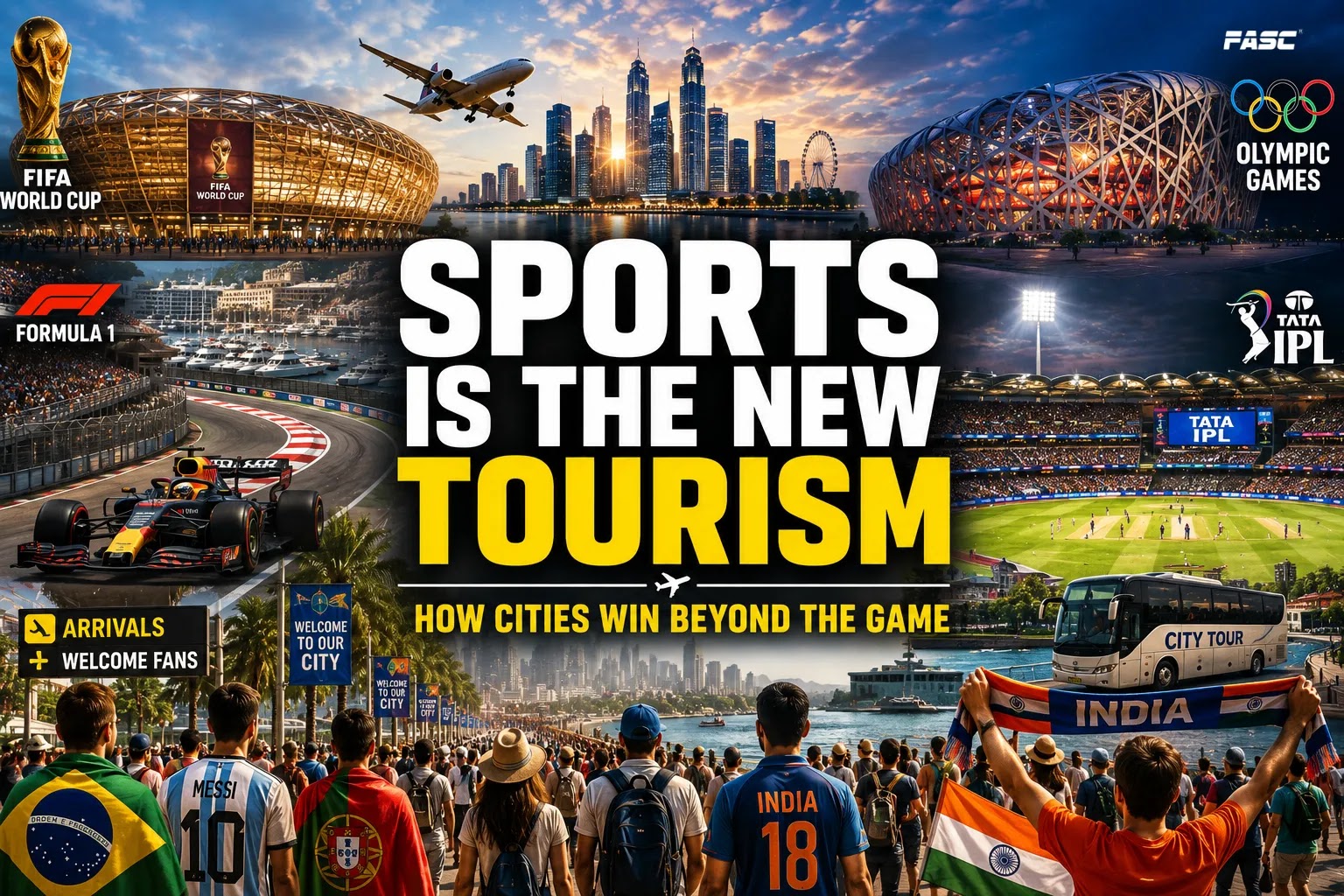
Whether it's the FIFA World Cup, the Olympic Games, the Tour de France, Formula 1, the Boston Marathon, Wimbledon, or the Indian Premier League, sporting events encourage people to travel, spend, and experience destinations in entirely new ways.
Today, sports tourism has evolved far beyond simply watching a match. It has become an important contributor to economic development, city branding, infrastructure growth, and employment.
According to the untourism sport tourism initiative, sports tourism can generate lasting social and economic benefits while contributing to sustainable destination development.
What Is Sports Tourism?
Sports tourism refers to travelling to another destination either to participate in a sporting event or to watch one.
It includes everything from international tournaments and professional leagues to city marathons, cycling events, amateur competitions, golf tournaments, and adventure sports.
Unlike traditional tourism, sports tourism often creates repeat visitors, stronger community engagement, and longer economic benefits because sporting events can become annual attractions.
Sports Events Are Becoming Economic Engines
Modern sporting events are no longer viewed only as competitions. Cities increasingly see them as economic opportunities.
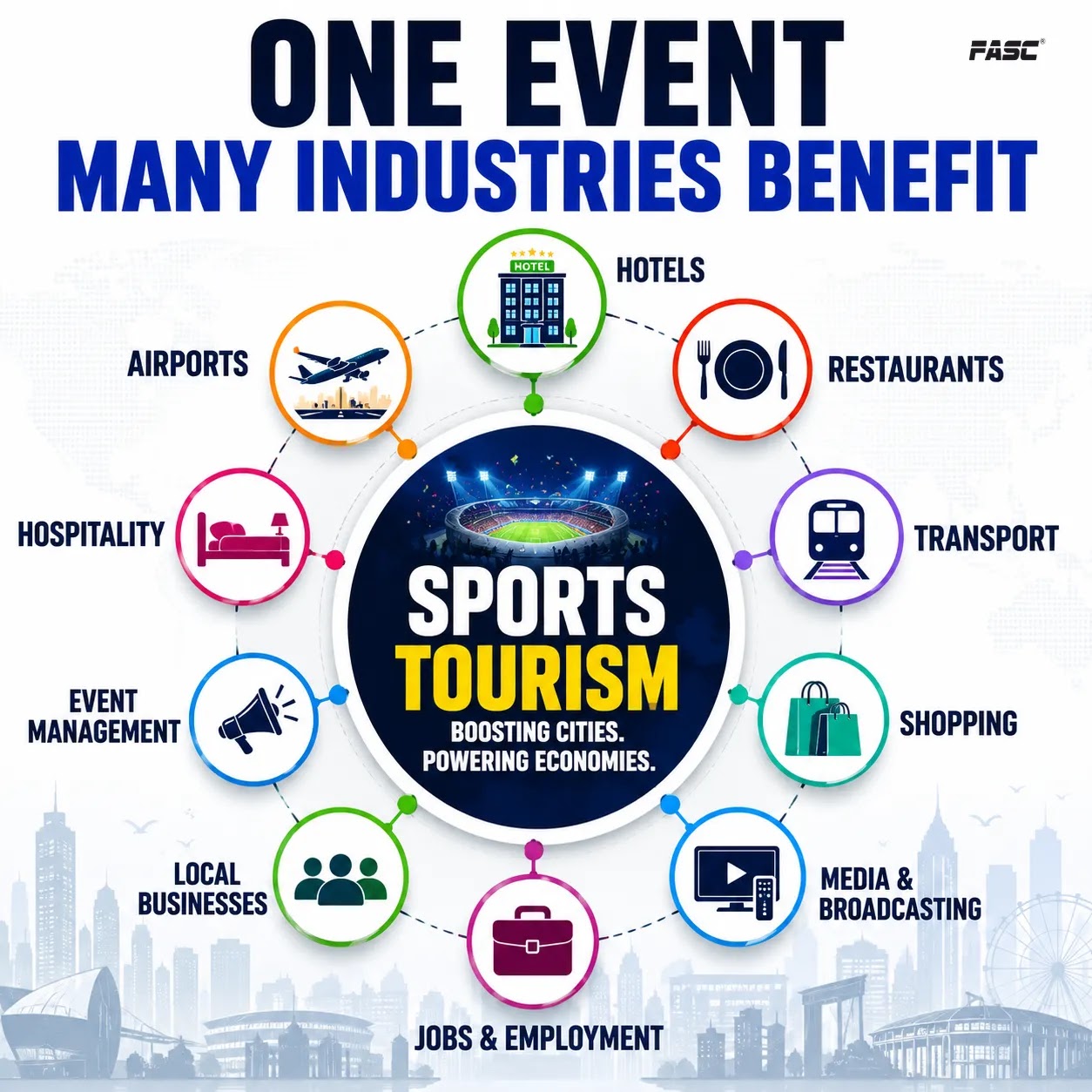
When thousands or even millions of visitors arrive for a sporting event, they spend money on hotels, restaurants, local transport, shopping, entertainment, and attractions.
This creates income not only for event organisers but for hundreds of local businesses.
In many cities, the economic impact continues long after the final whistle because visitors often return for leisure or business after experiencing the destination.
Infrastructure That Benefits Everyone
Hosting major sporting events often accelerates infrastructure development. Governments and city authorities invest in:
- Stadiums
- Public transportation
- Roads
- Airports
- Hotels
- Public spaces
While these investments are initially made for sporting events, they continue serving residents, businesses, and tourists for years afterward.
Cities such as Barcelona, London, and Doha have demonstrated how sporting events can leave behind infrastructure that supports long-term urban development.
Sports Tourism Helps Local Businesses Grow
One of the biggest beneficiaries of sports tourism is the local business ecosystem. A major tournament doesn't only benefit stadium operators. Hotels experience higher occupancy.
Restaurants welcome more customers. Retail stores see increased sales.
Taxi services, local guides, photographers, event agencies, merchandise sellers, and small businesses all benefit from the increased visitor traffic.
This multiplier effect is one reason cities actively compete to host international sporting events.
More Than Spectators: The Rise Of Participation Tourism
Sports tourism is no longer limited to spectators. More people are travelling specifically to participate in sporting activities.
Examples include:
- City marathons
- Cycling tours
- Triathlons
- Trail running events
- Golf tournaments
- Adventure races
This trend is helping destinations attract visitors throughout the year rather than only during peak holiday seasons.
Participation-based tourism also encourages healthier lifestyles while supporting local economies.
Sports Strengthen A City's Global Brand
Hosting international sporting events offers cities something that traditional marketing campaigns often cannot.
Global visibility.
When billions watch an event like the FIFA World Cup or the Olympic Games, they are also introduced to the host city's culture, landmarks, hospitality, and identity.
Successful events help cities build stronger international reputations, attract future tourists, encourage investment, and position themselves as destinations capable of hosting world-class events.
Sports becomes a powerful branding tool.
Lessons For India
India already hosts globally recognised sporting events such as the IPL, international cricket tournaments, marathons, badminton championships, and Formula E races.
At the same time, cities are investing in football grounds, athletics facilities, cycling events, pickleball courts, and community sports infrastructure.
With continued investment, India has the opportunity to expand its sports tourism footprint.
Cities such as Ahmedabad, Bhubaneswar, Bengaluru, Chennai, and New Delhi already possess many of the ingredients needed to become attractive sports tourism destinations.
Developing integrated sports infrastructure alongside hospitality, transport, and community participation could unlock significant long-term economic benefits.
Sports Tourism And Sustainable Development
Sports tourism is no longer measured only by visitor numbers. Today's successful destinations also focus on sustainability. Modern events increasingly prioritise:
- Green stadiums
- Public transport accessibility
- Waste reduction
- Local community engagement
- Environmental responsibility
This approach helps cities create positive legacies while balancing tourism growth with long-term sustainability.
The Future Of Sports Tourism
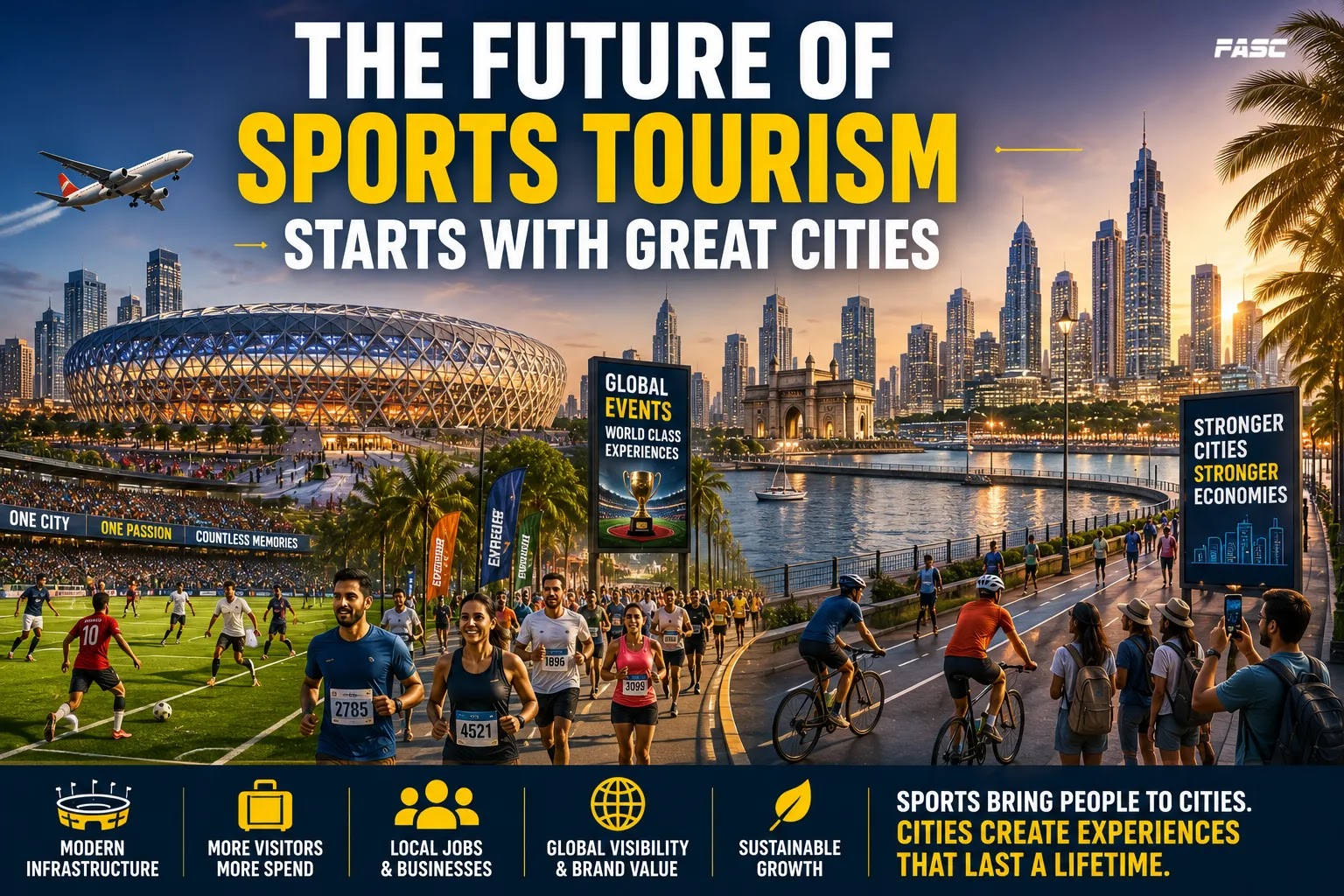
The future of sports tourism extends well beyond mega-events. Cities are increasingly investing in year-round sporting experiences, including amateur tournaments, youth competitions, cycling festivals, wellness retreats, and recreational sports.
According to the UN Tourism Sports Tourism programme, sports tourism has become an important tool for destination development because it creates social, economic, and environmental value while strengthening communities.
As travellers increasingly seek memorable experiences rather than traditional sightseeing, sports tourism is expected to continue playing an important role in shaping cities around the world.
Recommended products from FASC Coach
Conclusion
Sports tourism has evolved into far more than travelling to watch a match. It is helping cities build stronger economies, improve infrastructure, support local businesses, create employment, and strengthen their global identity.
For countries like India, the opportunity extends beyond hosting world class sporting events.
The real opportunity lies in creating cities where sports, tourism, business, and community development work together to generate long-term value. Because in the future, the cities that invest in sports may also become the cities that attract the world.
FAQs
1. What is sports tourism?
Sports tourism refers to travelling to another destination to participate in or watch sporting events, ranging from local marathons to global tournaments like the FIFA World Cup or Olympic Games.
2. How does sports tourism benefit cities?
It increases tourism revenue, supports local businesses, improves infrastructure, creates jobs, and enhances a city's international reputation.
3. Why is sports tourism growing?
Travellers increasingly seek experience-based travel, while governments recognise sports as a tool for economic development, destination branding, and community engagement.
4. Can India become a sports tourism destination?
Yes. With growing investments in sports infrastructure, international events, and community participation, India has strong potential to expand its sports tourism industry.
5. Which sports contribute most to sports tourism?
Football, cricket, marathons, cycling, Formula 1, golf, tennis, and multi-sport events such as the Olympics are among the biggest contributors to global sports tourism.
Share :