- Fitness
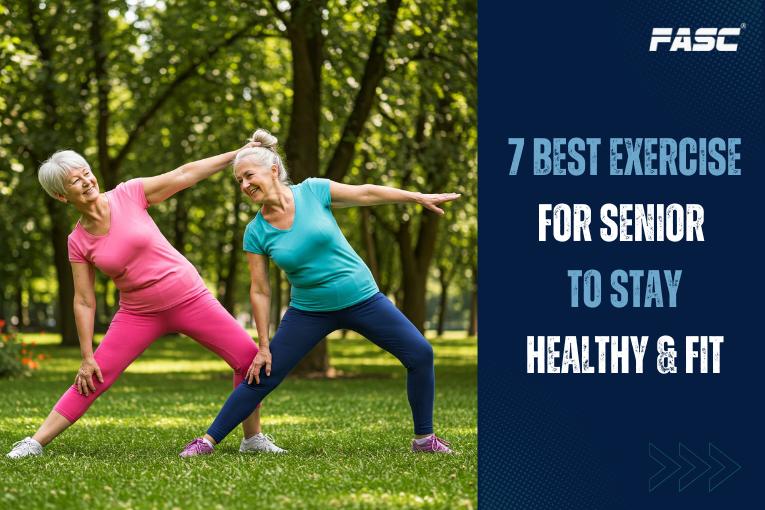
7 Best Exercise for Senior to Stay Healthy & Fit
- Oct 21, 2025
- 5 min
Key Takeaways
- Low-impact exercises are safe and effective.
- Activities like walking and chair exercises can be done at any fitness level.
- Regular movement can help to maintain independence.
- Start slow, focus on form and breathing and increase duration gradually.
- Always consult a doctor before a new exercise, especially with health conditions.
Staying active as we age is more important than ever. Senior fitness is not just about exercise it’s about maintaining independence, improving mobility, and it also helps enhance overall quality of life. Regular physical activity helps prevent muscle loss, supports heart health and boosts mental well-being.
Adding regular strength exercises to your routine can dramatically improve your health. Research shows that older adults who train 2+ times per week have a 46% lower risk of death from any cause study states
Why Senior Health and Fitness Matter
As we grow older, our muscles naturally weaken, joints stiffen and balance may decline. Without regular activity, seniors are at higher risk of falls, chronic illness, and reduced independence. Maintaining senior fitness helps combat these challenges by:
- Increasing muscle strength and flexibility
- Enhancing cardiovascular health
- Supporting mental clarity and reducing stress
Engaging in consistent exercise for the elderly and following a structured senior citizen workout routine can make daily activities easier and more enjoyable.
Top Exercises for Seniors
Staying active is one of the best ways to maintain strength, balance, and independence as you age. These senior-friendly exercises are safe, effective, and designed to boost overall health, energy, and mobility.
1. Strength Training for the Elderly
Strength training is crucial for maintaining muscle mass and bone density. Simple exercises using hand weights for seniors or resistance bands can be highly effective. This form of strength training for the elderly improves posture and overall energy levels.
- Seated Bicep Curls: Use light dumbbells or resistance bands to strengthen arms.
- Wall Push-Ups: Great for upper body strength without stressing the joints.
- Chair Squats: Build lower body strength and improve balance.
2. Low-Impact Cardio Exercises
Cardiovascular exercises like walking, stationary cycling, or swimming are gentle on the joints while strengthening the heart. Low-impact routines are ideal for seniors, especially those new to exercise.
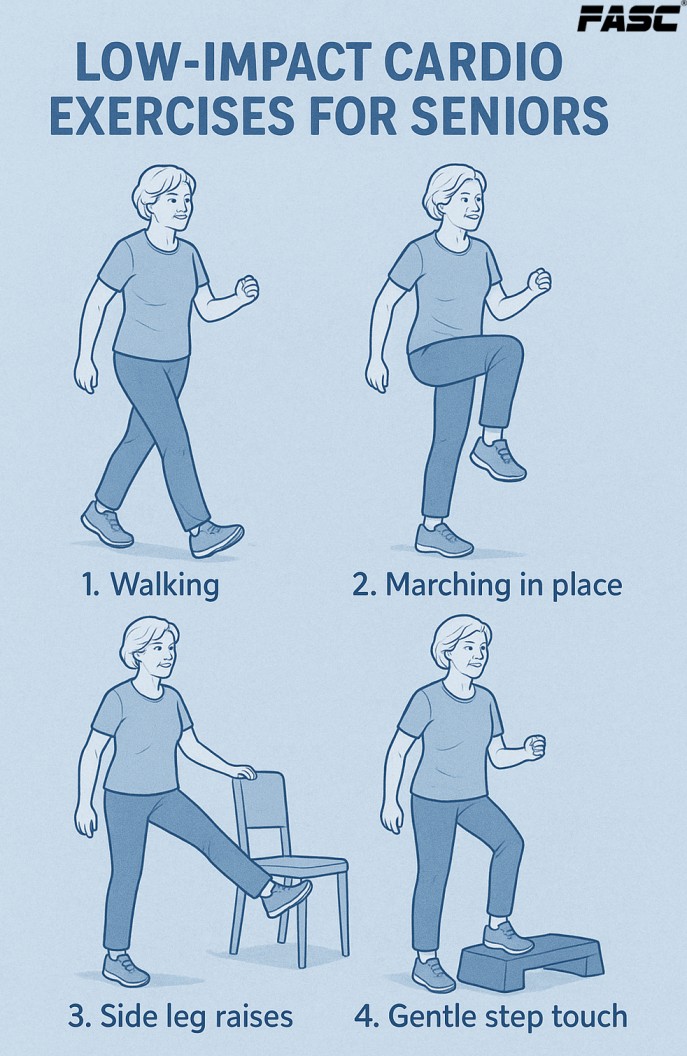
Try these exercises:
- Brisk Walking: Indoors or outdoors, it enhances endurance and heart health.
- Stationary Cycling: Builds leg strength and improves circulation.
- Water Aerobics: A joint-friendly way to improve cardiovascular fitness.
3. Flexibility and Balance Exercises
Stretching, yoga, and tai chi enhance balance, flexibility, and coordination. Using an exercise chair for seniors during seated stretches can provide support and stability.
Try these exercises:
- Seated Hamstring Stretch: Improves flexibility in the legs.
- Standing Heel-to-Toe Walk: Strengthens balance and coordination.
- Gentle Chair Yoga: Enhances mobility and reduces stiffness.
4. Using Equipment Safely
Simple tools like hand weights for seniors or an exercise chair for seniors can make workouts more effective and accessible. These tools allow for gentle strength and flexibility training while minimizing strain or injury.
5. Stability Exercises
Maintaining balance and stability becomes increasingly important with age to prevent falls and injuries. These exercises focus on strengthening core muscles, improving coordination, and enhancing body control during everyday movements
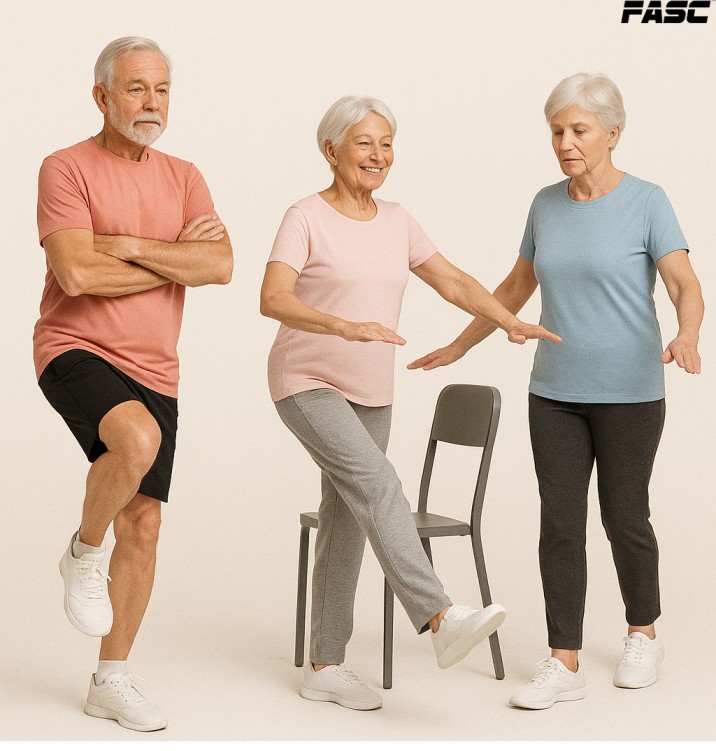
- Heel-to-Toe Walk: Strengthens core and improves balance.
- Single-Leg Stand (with support): Builds stability in legs.
- Side Leg Raises: Enhances hip strength and steadiness.
6. Seated or Chair Exercises
Seated workouts are excellent for seniors with limited mobility, joint pain, or balance concerns. They allow safe movement and muscle engagement without the risk of falling. These exercises help maintain flexibility, improve circulation, and build strength.
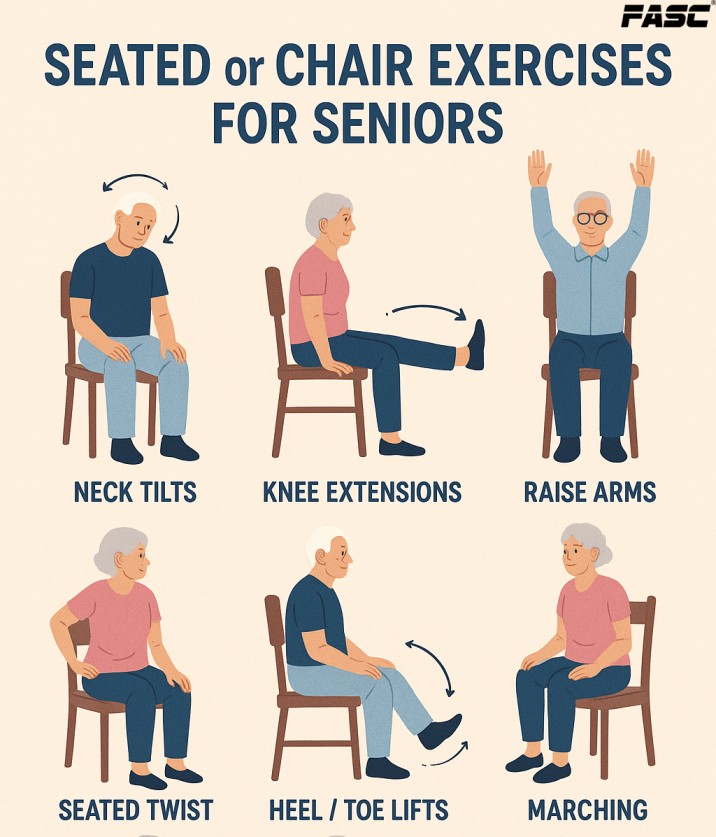
Best options:
- Seated Leg Lifts: Strengthens thighs and core.
- Arm Circles: Increases shoulder flexibility.
- Seated Marching: Improves blood flow and coordination.
- Resistance Band Rows: Builds upper-body strength safely.
7. Core Strengthening Exercises
A strong core is vital for stability, posture, and daily movements like bending, standing, or reaching. Core exercises help reduce back pain, improve balance, and support overall mobility, making them essential for seniors aiming to stay active and independent.
Best options:
- Seated Knee Lifts: Strengthen abdominal muscles safely.
- Standing Side Bends: Enhance core stability and coordination.
- Bird Dog (on hands and knees): Builds balance and strengthens the spine.
Personalized Support: Personal Trainers for Seniors
Hiring a personal trainer for seniors can make a significant difference in safety and effectiveness. A professional trainer tailors exercises to individual fitness levels, monitors proper form, and ensures exercises are safe for existing health conditions.
Recommended Gear
Having the right equipment ensures safety, comfort, and better results:
- Resistance Bands – Great for building strength without heavy weights.
- Light Dumbbells (1–3 lbs) – Help tone muscles and increase endurance.
- Yoga Mat – Provides grip and cushioning for floor exercises or stretches.
- Water Bottle – Staying hydrated during workouts is vital.
- Heart Rate Monitor (optional) – Helps track exertion and maintain a safe intensity.
Conclusion
Maintaining senior fitness is key to enjoying an active, independent and healthy life. From strength training for the elderly to low-impact cardio and guided sessions with a personal trainer for seniors, there are numerous ways to stay fit at any age. Consistency, safety, and proper guidance can help the elderly thrive in their golden years!
FAQs
1. What are low-impact exercises?
Low-impact exercises are movements that minimize stress on the joints like walking, swimming, and cycling while still improving strength and heart health.
2. How often should seniors do low-impact workouts?
Experts recommend at least 150 minutes per week, spread over most days, with rest days as needed.
3. Can seniors do strength training too?
Yes! Light resistance training using bands or weights can help maintain muscle mass and bone density.
4. Are chair exercises effective?
Absolutely. Chair-based workouts help improve flexibility, circulation, and muscle strength ideal for those with limited mobility or balance issues.
5. What precautions should seniors take before exercising?
Warm up properly, avoid sudden movements, stay hydrated, and consult a healthcare provider before starting any new program.



.png)