- Fitness
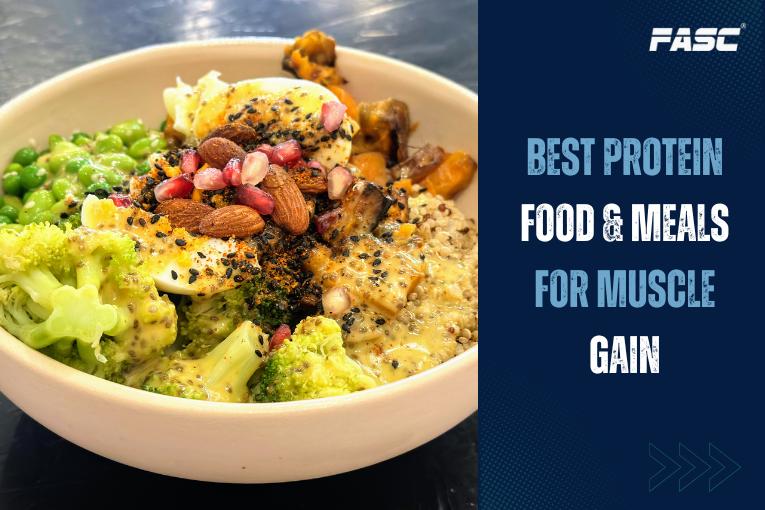
Best Protein Food& Meals for Muscle Gain
- Oct 14, 2025
- 5 min
Key Takeaways:
- While post-workout protein helps recovery, the total daily intake matters more than exact timing.
- Include a mix of animal and plant-based protein in your diet.
- High-protein snacks help reduce cravings and improve energy.
- Meals rich in protein support muscle growth, recovery, and overall health.
- Aim for 20–30g of protein per meal for optimal benefits.
Building muscle, losing fat or simply staying fit it all starts with one essential nutrient: protein. . According to WHO a balanced, nutritious diet helps prevent noncommunicable diseases (NCDs) like diabetes, heart disease, stroke and certain cancers also. Protein, often undervalued in many diets, plays a key role not only in muscle repair and growth, but in supporting immunity, hormone production, enzymes, skin, hair and more
In this guide, we’ll explore the best high protein foods, low-fat high protein options, and a balanced meal plan to help you achieve your fitness goals in 2025.

Why Protein Matters
When it comes to staying fit and healthy, protein is one nutrient you simply can’t overlook. It’s often called the building block of life and for good reason. Protein plays a vital role in nearly every function of the human body. It helps:

- Build and repair muscles and tissues
- Produce enzymes and hormones
- Boost metabolism and fat burning
For most people, the ideal protein intake ranges between 1.2 to 2.0 grams per kilogram of body weight, depending on activity level and fitness goals.
Top High Protein Foods& Meals to Add to Your Diet
To get the most out of your diet, include a mix of animal-based and plant-based protein sources. Here are some of the best options to power your body in 2025:
Animal-Based Protein Sources
These foods provide complete proteins, meaning they contain all nine essential amino acids your body needs for muscle repair and growth
| Chicken Breast | 30g | Lean, low-fat source of protein for muscle gain. |
| Greek Yogurt | 10g per 100g | Great for gut health and post-workout recovery. |
| Tuna | 28g per 100g | Low-fat, high-protein fish for lean muscle. |
Pro Tip: With guidance from experienced coaches and a focus on proper nutrition, you can maximize results check out these full-body workouts for muscle gain to get started.
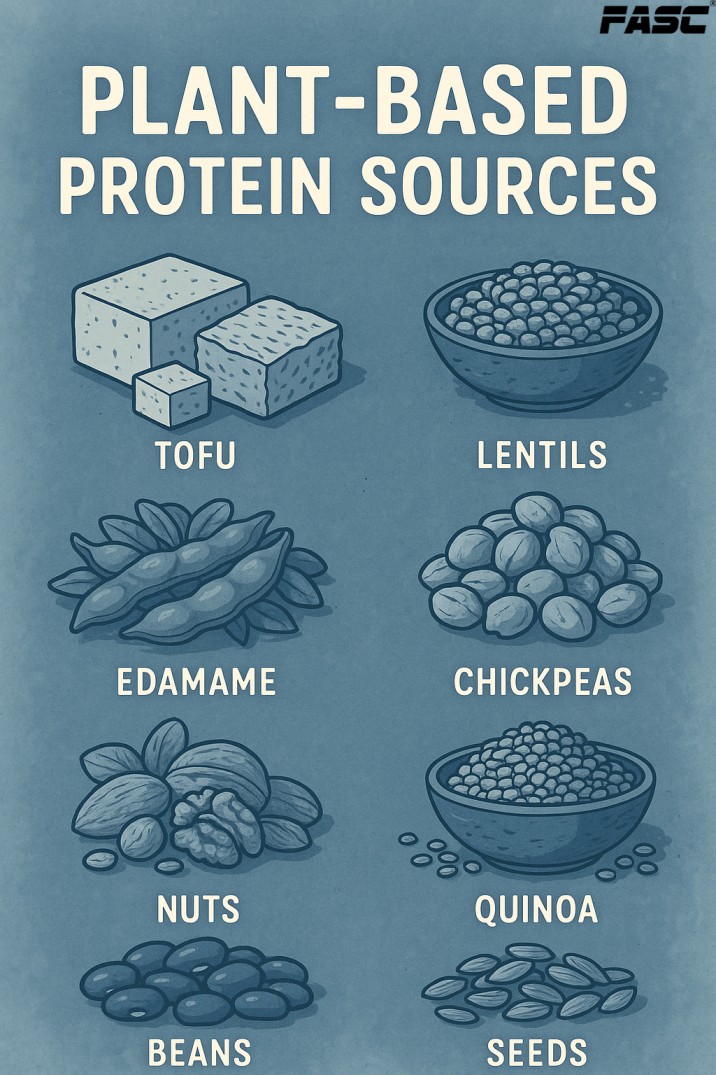
Plant-Based Protein Sources
Plant-based proteins are ideal for vegetarians and vegans. They’re rich in fiber, vitamins, and minerals, making them great for digestion and long-term health.
|
Food |
Protein (per 100g) |
Benefits |
|---|---|---|
|
Lentils (Masoor dal) |
9g |
Excellent source of fiber and iron. |
|
Chickpeas (Chana) |
8g |
Great for salads, curries, or roasted snacks. |
|
Tofu |
8g |
Complete plant protein made from soybeans. |
Low Fat High Protein Foods
If your goal is to build lean muscle while keeping calories in check, focus on low fat high protein foods. These options provide essential amino acids without adding excess fat.
|
Food |
Protein (per 100g) |
Fat (per 100g) |
Key Benefits |
|---|---|---|---|
|
Egg Whites |
11g |
0.2g |
Pure protein source with almost no fat — great for muscle repair. |
|
White Fish (Cod, Tilapia, Snapper) |
20–24g |
1–2g |
Low-calorie, high-protein option loaded with omega-3s. |
|
Cottage Cheese (Low-Fat Paneer) |
18g |
4g |
High in casein, keeps you full for longer. |
These high protein snack foods are great for post-workout recovery or quick office breaks.
High Protein Meals to Include in Your Diet
Incorporating high-protein meals into your daily diet helps build muscle, boost metabolism, and keep you full longer. These meals combine taste and nutrition, making it easier to meet your protein needs throughout the day.
1.Breakfast
- Greek Yogurt Parfait: Greek yogurt + berries + chia seeds
- Egg & Veggie Scramble: Eggs with spinach, peppers, and mushrooms
- Protein Smoothie: Whey or plant-based protein powder + almond milk + banana + oats
2. Lunch
- Grilled Chicken Salad: Chicken breast + mixed greens + olive oil dressing
- Quinoa & Chickpea Bowl: Quinoa, chickpeas, veggies, tahini sauce
- Tuna Wrap: Tuna + whole wheat wrap + avocado + veggies
3. Snacks
- Roasted almonds or pumpkin seeds
- Edamame pods with sea salt
- Cottage cheese with cucumber slices
4. Dinner
- Salmon & Veggies: Baked salmon + steamed broccoli + sweet potatoes
- Tofu Stir-Fry: Tofu + mixed vegetables + soy sauce + sesame seeds
- Lentil Soup: Lentils, carrots, celery and spices

For those looking to boost muscle gain, combining low-fat, high-protein foods with effective workout routines is key. You can check out detailed full-body workout plans designed to maximize muscle growth in this Top 5 Full-Body Workouts for Muscle Gain guide by Fettle and Sports.
Myths & Facts About Protein
Myth: More protein always leads to more muscle.
Fact: Excess protein without exercise may not build muscle.
Myth: Plant proteins are incomplete.
Fact: Combining plant sources like beans & grains provides all essential amino acids.
Myth: Eating protein makes you gain fat.
Fact: Protein itself does not make you fat; it helps build and maintain muscle while supporting metabolism, especially when paired with a balanced diet.
Conclusion
Maintaining a healthy, active lifestyle is all about balance. Combining low-fat, high-protein foods with structured workout routines, guided by experienced coaches, helps build muscle, improve strength, and support overall wellness. Small, consistent steps in nutrition and exercise can lead to long-term results and a healthier, stronger you.
FAQs
Q1. How much protein do I need daily?
It depends on your age, weight, and activity level. A general guideline: 0.8–1g per kg of body weight for sedentary adults, higher for active individuals.
Q2. Can I get enough protein on a vegetarian diet?
Yes! Foods like lentils, chickpeas, quinoa, tofu, Greek yogurt, and nuts can meet protein requirements.
Q3. Are protein supplements necessary?
Not always. Whole foods should be prioritized, but supplements can help if dietary intake is insufficient.
Q4. When is the best time to eat protein?
Spread protein intake evenly across meals; consuming protein post-workout aids muscle recovery.
Q5. Can I eat high-protein foods every day without health risks?
Yes, for most healthy adults, consuming high-protein foods daily is safe and supports muscle maintenance, metabolism, and overall health.
Share :
-Everything-You-Need-to-Get-Started.png)