- Sports
Difference Between Taekwondo, Karate, and Kickboxing: Which Combat Sport Is Right for You?
- Jan 13, 2026
- 4 min
Key Takeways
- Taekwondo suits those who value speed, flexibility, and sport-style competition.
- Karate builds strong technique, discipline, and structured learning habits.
- Kickboxing focuses on power, conditioning, and full-contact performance.
- No combat sport is better than another—the right choice depends on personal goals and readiness.
- Choosing the right system helps athletes stay motivated and progress with confidence.
Over the past few years, combat sports have become a popular choice for children, young athletes, and even adults looking to improve fitness, confidence, and discipline. Taekwondo, Karate, and Kickboxing are often mentioned together because they all involve kicks, punches, and structured training. At first glance, they may look quite similar.
However, each of these combat sports has its own history, training philosophy, and purpose. They shape the body and mind in different ways and are designed for different types of goals.
Choosing a combat sport only because it looks exciting, is trending, or someone else recommended it can sometimes lead to disappointment. Athletes may feel the training doesn’t suit them, parents may worry about physical strain, or progress may feel slower than expected.
Taekwondo: Speed, Precision, and Sport Performance
Origin: Korea
Primary Focus: Kicking speed and point scoring
Competition Style: Olympic sport
Historical Background
Taekwondo originated in Korea and was formally developed after World War II. It was influenced by traditional Korean martial practices, along with elements of Karate. During the 1950s and 1960s, it was introduced into schools and physical education programs. Later, its inclusion in the Olympic Games in 2000 shaped Taekwondo into a highly structured, rule-based sport.
Training Approach
Taekwondo is best known for its fast and dynamic kicking techniques. Training focuses heavily on maintaining distance, quick movement, and precise timing. In competition, clean and well-executed kicks—especially at head level—are rewarded more than punches. Because of this, flexibility, balance, and reaction speed become central parts of training.
Development Benefits

- Helps improve agility, balance, and coordination
- Increases flexibility and lower-body mobility
- Develops speed and explosive leg strength
Considerations
- Limited focus on hand striking
- Less training in close-range exchanges
- Designed mainly for sport competition rather than full-contact fighting
Best suited for:
Children, beginners, youth athletes, and individuals interested in Olympic-style competition, flexibility, and smooth body movement.
Karate: Technique, Discipline, and Structured Learning
Origin: Japan
Primary Focus: Technique, timing, and discipline
Competition Style: Style-dependent (point-based or full contact)
Historical Background
Karate originated in Okinawa, Japan, where it developed from local self-defense methods influenced by Chinese martial arts. In its early days, Karate was practiced mainly for personal protection. Over time, it evolved into a structured martial art with formal styles such as Shotokan, Goju-ryu, and Kyokushin, each preserving technique and discipline in its own way.
Training Approach
Karate places strong importance on clean technique and body control. Training usually includes kata (forms), which help students understand movement, posture, and breathing, and kumite (sparring), where techniques are applied in a controlled environment. Mental focus, respect, and consistency are important aspects of Karate training.
Development Benefits
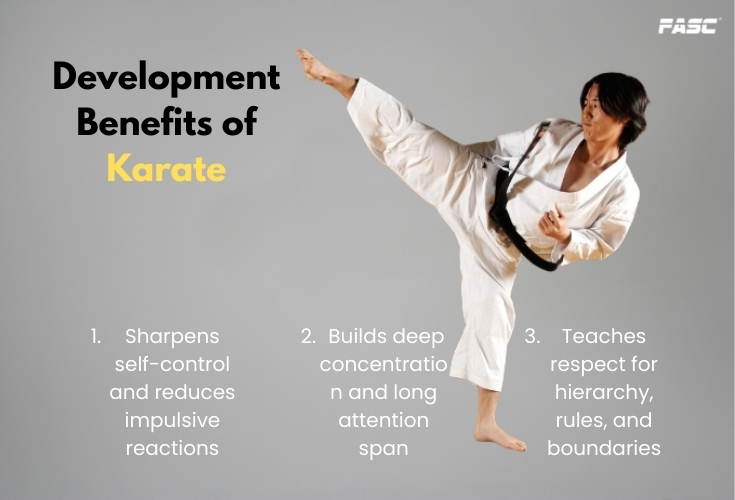
- Builds strong technical foundations
- Improves posture, balance, and coordination
- Encourages discipline, patience, and focus
Considerations
- Training intensity depends on the style and instructor
- Some competition formats involve limited contact
- Conditioning levels may vary between schools
Best suited for:
Athletes looking for structured learning, technical refinement, mental discipline, and a traditional martial arts environment.
Kickboxing: Power, Conditioning, and Competitive Combat
Origin: Hybrid (Western boxing combined with martial arts)
Primary Focus: Full-contact striking
Competition Style: Amateur and professional formats
Historical Background
Kickboxing developed in the mid-20th century as a modern combat sport. It combined punching techniques from Western boxing with kicking techniques from Karate and other martial arts. Unlike traditional systems, Kickboxing was created specifically for full-contact competition, with a focus on practical effectiveness rather than form or tradition.
Training Approach
Kickboxing training is physically demanding and high-energy. Sessions focus on strength, endurance, striking combinations, and maintaining performance under fatigue. Because of the intensity, proper recovery and conditioning are important for long-term participation.
Development Benefits
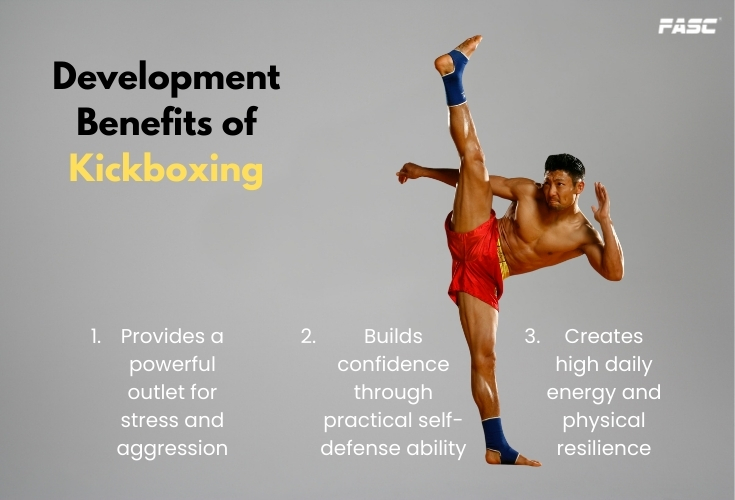
- Builds strong cardiovascular fitness
- Improves confidence under physical pressure
- Develops overall strength and endurance
Considerations
- Higher physical stress if recovery is ignored
- Requires consistent conditioning and rest
- Less focus on traditional rituals or forms
Best suited for:
Advanced athletes, competitive fighters, and individuals who enjoy high-intensity training and real-world striking challenges.
Taekwondo vs Karate vs Kickboxing: Practical Comparison
|
Aspect |
Taekwondo |
Karate |
Kickboxing |
|---|---|---|---|
|
Primary Focus |
Speed & scoring |
Technique & discipline |
Power & endurance |
|
Punching Emphasis |
Low |
Moderate |
High |
|
Contact Level |
Light–moderate |
Style-dependent |
Full contact |
|
Conditioning Demand |
Medium |
Medium |
High |
|
Flexibility Focus |
High |
Moderate |
Moderate |
|
Best For |
Youth & sport pathways |
Technical foundations |
Competitive combat |
Which Combat Sport Is Right for You?
There is no single “best” combat sport. The right choice depends on age, interest, physical readiness, and long-term goals.
- For agility, coordination, and sport-based competition: Taekwondo
- For discipline, technique, and structured learning: Karate
- For conditioning, resilience, and competitive fighting: Kickboxing
When athletes train in a system that suits their body and mindset, they are more likely to stay motivated, progress steadily, and enjoy the journey.
A Thoughtful Approach to Combat Sports
Combat sports can be deeply rewarding when chosen with care. They help build fitness, confidence, discipline, and self-belief. The key is not to rush the decision, but to understand what each system offers and how it fits into the individual’s stage of development.
When training aligns with personal needs and goals, combat sports become more than just physical activity—they become a meaningful part of long-term growth.
Conclusion
Taekwondo, Karate, and Kickboxing may appear similar on the surface, but each follows a distinct path in how it trains the body and mind. Taekwondo emphasizes speed, flexibility, and sport-based performance, making it a strong choice for children and athletes aiming for Olympic-style competition.
Karate focuses on technique, discipline, and structured learning, offering a balanced approach that supports both physical control and mental growth. Kickboxing stands out for its intensity, conditioning, and full-contact nature, appealing to those who enjoy high-energy training and competitive combat.
FAQs
1. Which combat sport is best for children?
Taekwondo is often a great starting point for children due to its focus on flexibility, coordination, discipline, and controlled competition. Karate is also suitable for kids who enjoy structured learning and traditional training.
2. Is Kickboxing safe for beginners?
Kickboxing can be practiced by beginners, but it requires proper supervision, conditioning, and recovery. Many gyms offer beginner-friendly programs before introducing full-contact training.
3. Which martial art is best for self-discipline and focus?
Karate places strong emphasis on discipline, respect, and mental focus through structured practice, making it a solid choice for developing self-control and patience.
4. Does Taekwondo involve punching techniques?
Yes, Taekwondo includes punches, but the main emphasis is on fast and precise kicking techniques, especially in sport competitions.
5. Which combat sport offers the best fitness benefits?
All three improve fitness in different ways. Taekwondo enhances agility and flexibility, Karate improves balance and body control, and Kickboxing delivers high cardiovascular endurance and strength.
.png)
.png)
.png)