- Fitness
Hatha Yoga: History, Elements & Benefits
- Oct 07, 2025
- 5 min
Key Takeaways
- It helps reduce stress and anxiety levels by up to 40% when practiced regularly.
- It’s perfect for all ages and fitness levels.
- You can start Hatha Yoga at home with basic poses.
- Even 15 minutes of Hatha Yoga daily can make a big difference.
- During COVID-19, there was 64.3% reduction in anxiety score.
Hatha Yoga is one of theone of the most traditional and widely practiced forms of yoga that blends physical postures, breath control, and meditation to bring balance and harmony. The term “Hatha” means “force” or “balance” in Sanskrit, it represents the union of opposites, like the sun (ha) and moon (tha).
If you’ve ever wondered what Hatha Yoga is, it’s essentially the foundation of all modern yoga styles offering a balanced approach for strength, flexibility, and inner calm.

Origins of Hatha Yoga
Hatha Yoga originated in India around the 11th century, with its teachings documented in the Hatha Yoga Pradipika. The philosophy of Hatha Yoga lies in the belief that the body is a vehicle for enlightenment. Through discipline, awareness and mindful movement, practitioners can control energy flow and achieve balance. The philosophy of Hatha Yoga lies in the belief that the body is a vessel for enlightenment.
The goal is to balance the solar (Ha) and lunar (Tha) energies, symbolizing action and stillness and inner harmony.Hatha Yoga also emphasizes breath as a life force, known as prana shakti. With consistent practice, the breath becomes a tool to calm the mind, balance emotions, and activate inner energy centers (chakras).
In this way, Hatha Yoga breathing connects the body and consciousness, laying the foundation for deep meditation and self-awareness.
Core Elements of Hatha Yoga Practice
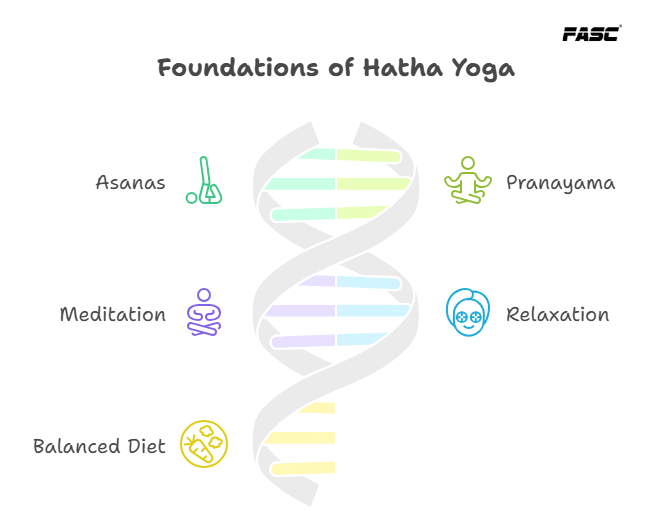
The foundation of Hatha Yoga is in harmonizing body, breath and mind through a combination of postures, breathing techniques and meditation. These core elements promote strength& balance.
Asanas (Postures)
The physical Hatha Yoga positions are designed to build strength, flexibility and focus. Each posture helps in releasing tension and improves circulation.
Common Hatha Yoga asanas for beginners include:
- Tadasana (Mountain Pose): Improves posture, stability, and alignment.
- Vrikshasana (Tree Pose): Enhances balance and concentration.
- Bhujangasana (Cobra Pose): Strengthens the spine and opens the chest.
Pranayama (Breath Control)
Pranayama is the art of Hatha Yoga breathing, where practitioners consciously learn to regulate inhalation, exhalation and retention to control the flow of prana (vital energy). The breath is considered as the bridge between body and mind mastering over breath means mastery over emotions and thought patterns.
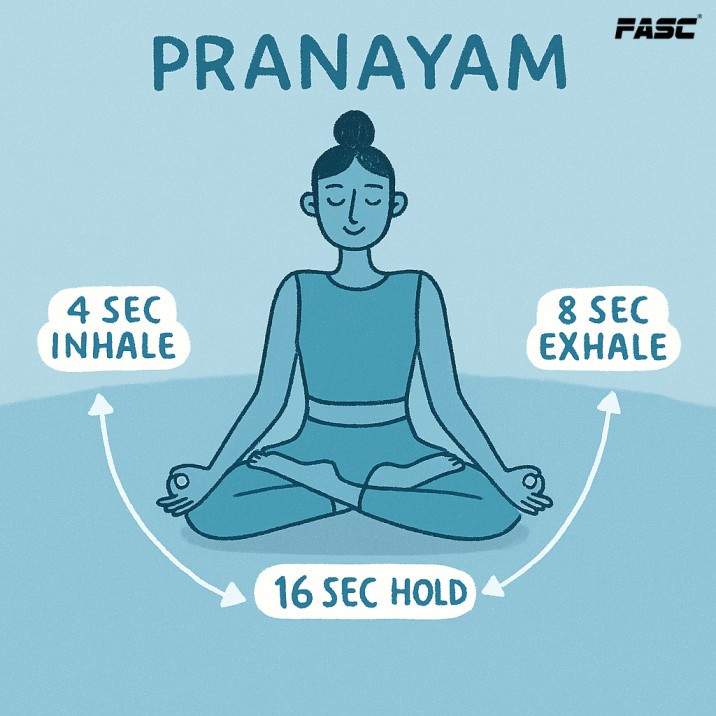
Popular Hatha Yoga breathing techniques include:
- Anulom Vilom (Alternate Nostril Breathing): Balances both hemispheres of the brain and promotes calmness.
- Kapalabhati (Skull Shining Breath): Detoxifies the lungs and improves mental clarity.
- Bhramari (Bee Breath): Reduces anxiety and enhances focus.
Meditation & Cleansing (Dhyana and Shatkarma)
Once the body is prepared through asanas and pranayama, meditation then helps practitioners experience awareness beyond thoughts and emotions.
The cleansing techniques (Shatkarma) including Neti (nasal cleansing), Dhauti (digestive cleansing), and Nauli (abdominal massage) purify the internal systems, making the body light and energetic. These practices prepare one for deeper concentration.
Together, posture, Hatha Yoga breathing and meditation form the triad of transformation that defines Hatha Yoga.
Benefits of Hatha Yoga
Hatha Yoga is where movement meets mindfulness, a dance between strength and stillness. Hatha Yoga is a mixture of physical strength, mental clarity and spiritual balance. It helps reduce stress and anxiety levels by up to 40% when practiced regularly.
Physical Benefits
Hatha Yoga strengthens the body while promoting fluidity and balance.
-
Improves blood circulation:
Controlled breathing in Hatha Yoga breathing techniques ensures that every cell receives fresh oxygen, improving cardiovascular health and endurance.
-
Supports digestion
Certain Hatha Yoga asanas stimulate the digestive organs and glands, boosting energy levels and metabolism while eliminating toxins naturally.
Mental & Emotional Benefits
The calm rhythm of Hatha Yoga helps restore mental clarity and emotional balance.
-
Reduces stress, anxiety, and restlessness:
The combination of mindful movement and deep Hatha Yoga breathing triggers relaxation responses, helping the mind unwind.
-
Improves concentration, clarity, and mental alertness
Focusing on breath and alignment enhances awareness, decision-making and focus in daily life.
Spiritual Benefits
Beyond fitness, Hatha Yoga connects you to your deeper self and promotes spiritual growth.
-
Harmonizes the mind-body connection
Each movement and breath aligns your physical body with your inner consciousness, creating balance and presence.
-
Awakens inner awareness
As you master control over the breath (prana), you open pathways to mindfulness and self-realization.
Recommended Gears
-
Yoga Mat – Provides comfort& gripmaking it essential for safe and grounded practice.
-
Yoga Block – Helps in supporting beginners in maintaining correct posture.
-
Yoga Strap – Assists in deepening stretches.
Conclusion
Hatha Yoga is more than an exercise; it's a complete lifestyle practice that nurtures the body and stills the mind. Whether you aim for fitness, inner calm, or spiritual balance, this ancient practice provides a steady, mindful path toward total well-being. Hatha Yoga is the art of mastering the body and breath to reach the stillness of the soul.
FAQs
1. What is Hatha Yoga best for?
Hatha Yoga is best for improving flexibility, strength, and mental focus while reducing stress and promoting relaxation.
2. Can beginners do Hatha Yoga?
Absolutely! Hatha Yoga for beginners is gentle and adaptable, making it perfect for those new to yoga.
3. How often should I practice Hatha Yoga?
Ideally, 4–5 times a week for 20–45 minutes to notice both physical and mental benefits.
4. Can I do Hatha Yoga at home?
Yes, you can easily practice Hatha Yoga at home using online tutorials or follow a guided Hatha Yoga program.
5. What’s unique about Hatha Yoga compared to other forms?
It focuses equally on posture, breath, and meditation offering a holistic mind-body experience rather than just a workout.
.png)
.png)