- Fitness
How to Build an Athletic Body (Not Just Muscle)
.png)
- Mar 27, 2026
- 4 min
Key Takeaways
- Building an athletic body focuses on performance, combining strength, endurance, speed, and mobility not just muscle size.
- Strength training forms the foundation, but cardio and mobility are equally important for overall fitness.
- A balanced approach with proper nutrition and recovery is essential for consistent progress.
- Training should improve how your body moves and performs, not just how it looks.
- Consistency and structured training matter more than intensity or random workouts.
Most people step into the gym with a simple goal to build muscle. And while muscle certainly improves appearance, it doesn’t always translate into real world fitness. You might look strong in the mirror but still feel out of breath after a short run, slow during sports, or stiff while moving.
That’s because an athletic body is very different from a purely muscular one. It is not just about size or aesthetics. It is about how your body performs under different conditions, how long it can sustain effort, how quickly it can move, and how efficiently it can recover. Building an athletic body means training for strength, endurance, speed, and mobility together, not in isolation.
Athletic Body vs Muscle Building Body
There is a clear difference between training for muscle and training for athletic performance. Muscle-focused training often prioritizes isolation exercises and appearance, while athletic training focuses on compound movements and overall functionality.
When your training includes multiple elements, strength, endurance, and mobility you don’t just look fit, you actually perform better. That’s the real goal
Strength Training: The Foundation
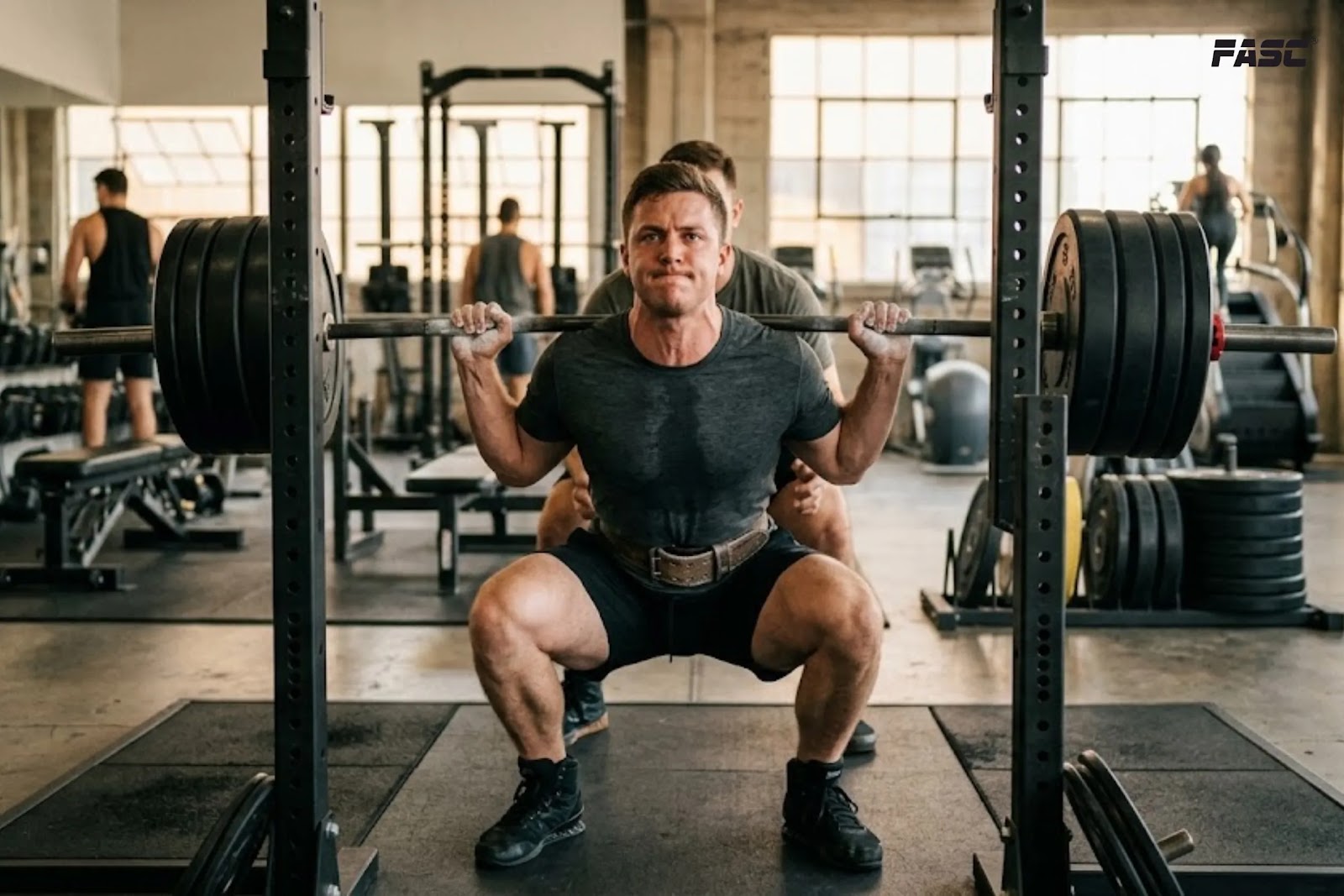
Strength is the base of any athletic body. Without it, everything else starts to break down. You may notice fatigue setting in faster, performance dropping during activity, or even a higher risk of injury.
The key is to focus on compound movements that engage multiple muscle groups at once. Exercises like squats, deadlifts, push-ups, and pull-ups not only build strength but also improve coordination and control. Over time, this kind of training makes your body more efficient in handling physical effort.
If you want to take your workouts to the next level, using the right tools can make a noticeable difference. You can explore some highly effective options in our guide on Top Fitness Accessories That Improve Your Gym Sessions:
Why Cardio Still Matters
One of the biggest mistakes people make while trying to build muscle is completely ignoring cardio. While strength training builds power, cardio builds endurance, and both are equally important for an athletic body.
Cardio improves heart and lung efficiency, helps your body recover faster, and allows you to sustain effort for longer durations. Whether it’s running, cycling, skipping, or high-intensity interval training, adding cardio to your routine ensures that your fitness is not limited to the gym floor.
This is what truly separates someone who looks fit from someone who actually is fit.

Mobility and Flexibility: The Missing Piece
A strong body without mobility is incomplete. Many people overlook this aspect, which often leads to stiffness, limited movement, and even injuries.
Including mobility work such as stretching, yoga, or dynamic warm-ups allows your body to move freely and efficiently. It improves posture, reduces muscle tightness, and enhances overall performance.
To understand the broader importance of fitness beyond just workouts, you can also read: Understanding Fitness: Meaning, Importance and Benefits

Nutrition: Fuel for Performance
No matter how well you train, your results will always depend on how well you fuel your body. Nutrition plays a crucial role in building an athletic body.
Protein supports muscle repair and growth, carbohydrates provide the energy needed for workouts, and healthy fats aid recovery and hormone balance. Staying hydrated and maintaining consistent, balanced meals ensures that your body performs at its best.
Simply put, you cannot expect high performance from a body that is poorly fueled.
Recovery: Where Progress Happens
Many people believe progress happens during workouts, but in reality, it happens during recovery. Training creates stress on the body, and recovery allows it to rebuild stronger.
Without proper rest, your performance will decline, and the risk of injury will increase. Getting enough sleep and allowing your body time to recover between sessions is essential for long-term progress.
The Complete Athletic Approach
Building an athletic body is not about focusing on one aspect of fitness. It requires a balanced system where strength, endurance, mobility, nutrition, and recovery all work together.
If even one of these elements is missing, your progress will slow down. But when all of them are aligned, your body becomes stronger, faster, and more efficient in every way.
Conclusion
Building an athletic body is not about chasing muscle size alone. It is about becoming stronger, faster, and more capable in every aspect of movement. When your body performs better, your energy, confidence, and overall fitness improve as well.
Instead of training just to look fit, start training to move better and perform better. That is what truly defines an athletic body.
Recommended products from FASC Store
FAQs
1. Can I build an athletic body without going to the gym?
Yes, consistent bodyweight training, running, and mobility work can help you build an athletic body even at home.
2. How long does it take to see results?
You may start noticing improvements within a few weeks, but a complete transformation usually takes a few months of consistent effort.
3. Is cardio necessary if I lift weights?
Yes, cardio is essential for endurance and overall performance. It complements strength training.
4. Do I need to build muscle for an athletic body?
Yes, but the focus should be on functional strength rather than just increasing size.
5. What is the biggest mistake beginners make?
Most beginners focus only on appearance and ignore performance-based training.
.png)
.png)
.png)