

How to Get Fit: Fitness Tips from a Fitness Coach
- Apr 03, 2024
Getting fit is more than just looking good, it’s about improving your overall health, increasing energy levels, and boosting mental well-being. Whether you're a beginner or looking to enhance your fitness journey, adopting the right strategies can lead to a healthier lifestyle. Here’s a comprehensive guide, packed with fitness tips from a professional coach, to help you get started.
Why Do You Want to Be Fit?
Before diving into a fitness routine, it’s crucial to understand why you want to get fit. Fitness isn’t just about physical appearance; it’s about improving your overall quality of life. Being fit reduces the risk of chronic diseases like diabetes, heart disease, and obesity. It enhances mental health by reducing stress, anxiety, and depression, while also boosting your confidence and self-esteem. Furthermore, being fit increases your energy levels, making everyday tasks easier and more enjoyable. Understanding your reasons for wanting to be fit will help you stay motivated and committed to your fitness journey.
Types of Fitness Tips
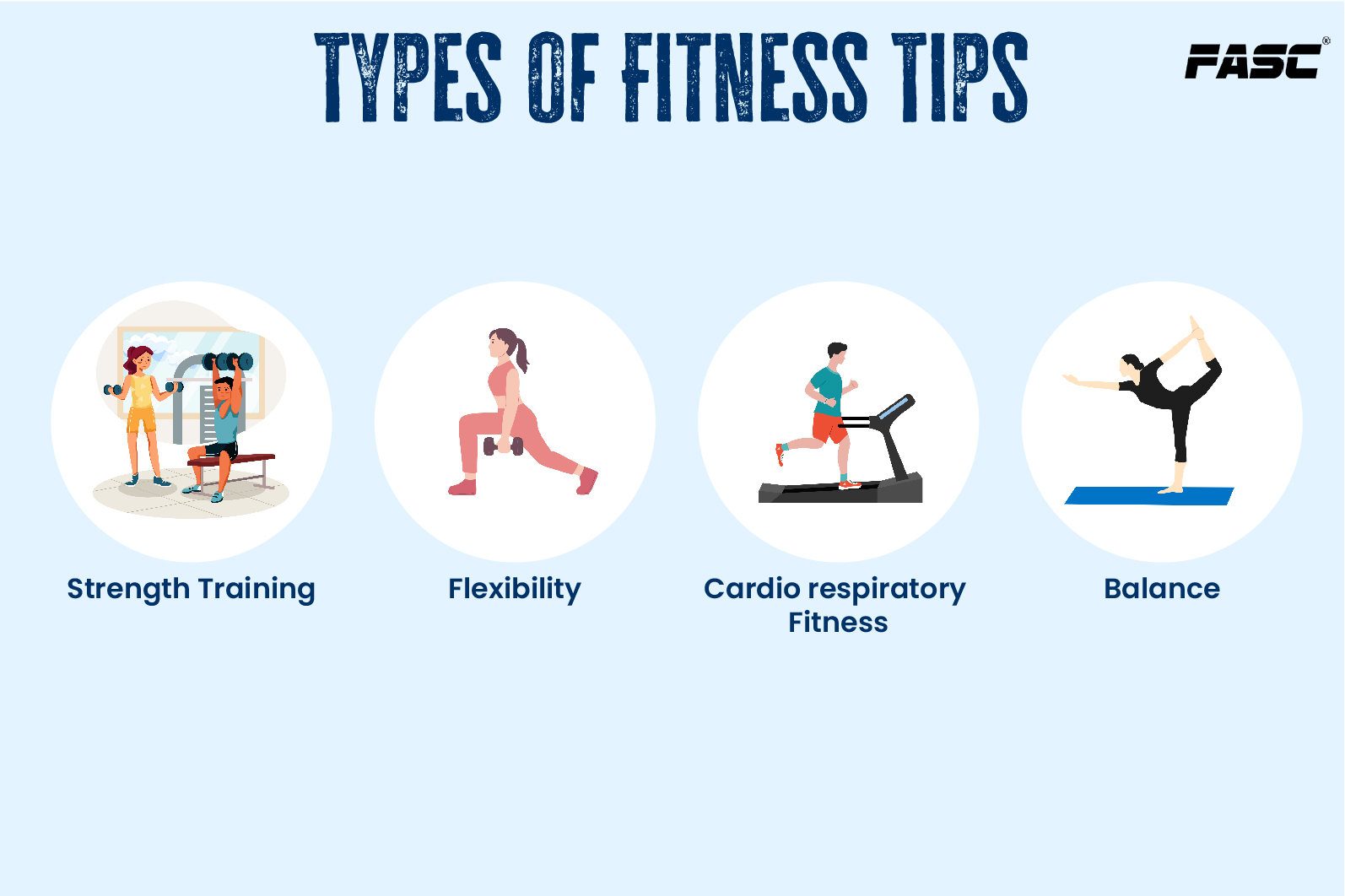
To achieve a well-rounded level of fitness, it’s essential to incorporate various types of exercises. These exercises focus on different aspects of fitness, ensuring that you develop strength, flexibility, cardiovascular endurance, and balance.
Strength Training
Strength training is vital for building muscle mass and improving overall body strength. It helps increase metabolism, making it easier to maintain a healthy weight. Incorporating exercises like weight lifting, resistance band workouts, or bodyweight exercises (e.g, push-ups and squats) can lead to stronger muscles and bones, reducing the risk of injury.
Flexibility
Flexibility exercises help improve the range of motion in your joints and muscles. This can prevent injuries and enhance your physical performance. Regular stretching routines, yoga, or Pilates can significantly improve your flexibility. These exercises also aid in muscle recovery and reduce the likelihood of muscle soreness after workouts.
Cardiorespiratory Fitness
Cardiorespiratory fitness involves exercises that increase your heart rate and improve the efficiency of your cardiovascular system. Activities like running, cycling, swimming, or brisk walking enhance heart health, boost lung capacity, and increase stamina. Regular cardio workouts help in burning calories and maintaining a healthy weight.
Balance
Balance exercises are essential for maintaining stability and coordination. They are particularly important as you age, reducing the risk of falls and improving posture. Exercises like single-leg stands, balance boards, and yoga poses help enhance your balance. This not only improves physical performance but also promotes better body alignment.
How to Get Fit
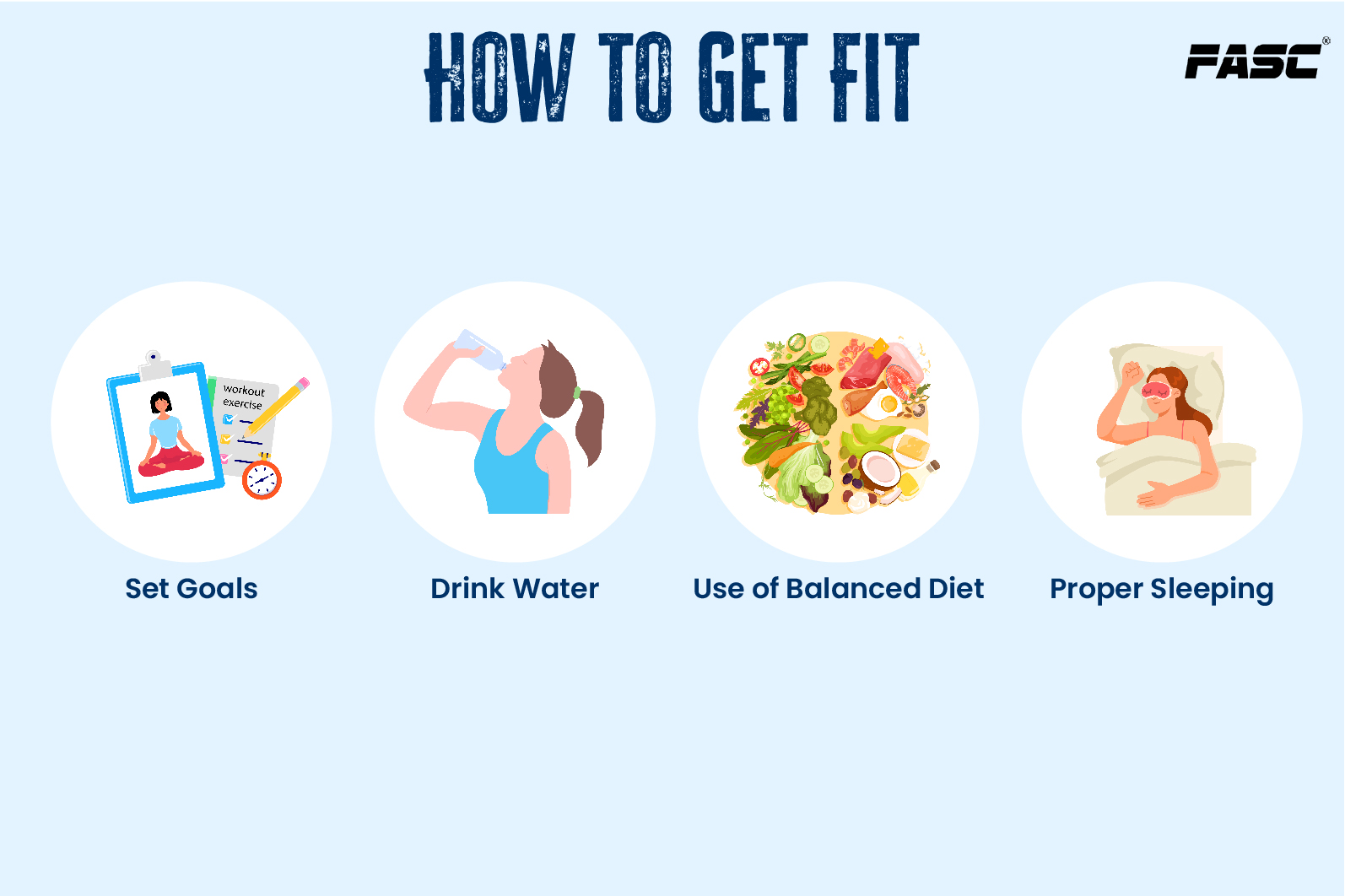
Getting fit involves more than just exercise; it requires a holistic approach that includes setting goals, maintaining proper hydration, eating a balanced diet, and getting enough sleep.
Set Goals
Setting clear, achievable fitness goals is the first step in your fitness journey. Whether it’s losing weight, building muscle, or improving endurance, having specific goals helps keep you motivated and focused. Divide your goals into smaller, actionable steps, and consistently monitor your progress.
Drink Water
Drinking enough water is vital for staying healthy and performing at your best. It helps keep your body temperature in check, keeps your joints moving smoothly, and supports the delivery of nutrients throughout your body. Make sure to drink plenty of water before, during, and after workouts to maintain hydration levels and prevent fatigue.
Use of Balanced Diet
A balanced diet provides the necessary nutrients to fuel your body for exercise and recovery. Incorporate a mix of proteins, carbohydrates, fats, vitamins, and minerals into your meals. Eating a variety of fruits, vegetables, lean proteins, and whole grains ensures that your body gets the energy it needs for workouts and muscle repair.
Proper Sleeping
Getting enough sleep is crucial for both recovery and your overall well-being. During sleep, your body repairs muscles, consolidates memory, and releases growth hormones. Aim for 7-9 hours of quality sleep each night to support your fitness goals and improve mental and physical health.
How to Start Working Out at Home
Working out at home is a convenient and effective way to stay fit without needing a gym membership. By incorporating a variety of exercises, you can create a balanced workout routine that keeps you active and healthy.
Start with bodyweight exercises like squats, lunges, push-ups, and planks to build strength and tone muscles. These exercises require no equipment and can be easily modified to suit your fitness level.
Mix in cardiovascular exercises like jumping jacks, high knees, or dancing to get your heart rate up and burn calories. For flexibility, strength, and balance, try yoga or Pilates routines, which are great for home workouts.
Adding resistance bands to your routine can increase the intensity of exercises like rows, curls, and shoulder presses. To stay motivated, establish a workout routine, set achievable goals, and track your progress regularly.
Conclusion
Getting fit is a journey that requires dedication, consistency, and a well-rounded approach. By incorporating strength training, flexibility exercises, cardio workouts, and balance activities into your routine, and by setting goals, staying hydrated, eating well, and getting enough sleep, you can achieve your fitness goals. Remember, fitness is not just about physical appearance but about improving your overall health and well-being.
Frequently Asked Questions (FAQs)
1. How often should I work out?
Aim for at least 150 minutes of moderate-intensity weekly exercise and strength training sessions twice a week.
2. How long does it take to see results from a fitness routine?
Results can vary depending on your goals and consistency, but generally, you can start noticing improvements in your strength, endurance, and overall fitness within 4 to 6 weeks of regular exercise.
3. What should I eat before a workout?
A light snack with carbohydrates and protein, like a banana with peanut butter or yogurt with berries, is ideal before a workout.
4. How do I stay motivated?
Set specific, achievable goals, track your progress, and mix up your workout routine to keep things interesting.
Share :
Recent Blog




- Sep 04, 2026
