

Yoga vs Gym: Find Out How to Stay Fit

- May 17, 2024
Choosing the right workouts can be challenging between yoga vs gym. Both offer unique benefits for physical and mental health, but they cater to different needs and preferences. Yoga emphasizes flexibility, balance, and mindfulness, while gym workouts often focus on strength and cardiovascular fitness. Understanding how these practices compare can help you make an informed decision based on your fitness goals and lifestyle.
Understanding Yoga vs Gym: The Basics
Yoga is an ancient practice that integrates physical postures, breath control, and meditation to enhance overall well-being. It promotes flexibility, mental clarity, and stress relief. On the other hand, gym workouts primarily involve resistance training and cardio exercises aimed at building muscle strength, and endurance. Both approaches have their merits, depending on what you seek from your fitness routine.
Difference Between Yoga and Gym
|
Basis |
Yoga |
Gym |
|
Weight Loss |
Promotes gradual weight loss through consistent practice. |
Focuses on intensive exercises for faster weight loss. |
|
Mental Health Benefits |
Enhances mental clarity and reduces stress through meditation and breathing. |
Boosts mood through endorphin release but less focus on mindfulness. |
|
Physical Health Benefits |
Improves flexibility, balance, and overall body awareness. |
Builds muscle strength and cardiovascular endurance. |
|
Process |
Yoga helps cleanse your body and improve flexibility, promoting overall health and well-being. |
The gym offers tough workouts to build muscle and burn fat, helping you get a fit and toned body. |
|
Accessibility |
Can be practiced anywhere with minimal equipment. |
Requires access to a gym and various equipment. |
|
Sustainability |
Promotes a lifestyle with low environmental impact and greater sustainability. |
Fitness routines may involve more equipment and resources, which can be less sustainable. |
|
Equipment Required |
Minimal equipment required like yoga mat, bricks, straps. Can also be practiced without any equipment. |
Various equipment needed like weights, dumbbells, pull up bar and more. |
|
Community and Cultural Aspects |
Often tied to spiritual and cultural practices, with roots in ancient traditions. Many find a sense of peace, community, and purpose through yoga. |
Typically less focus on cultural or spiritual aspects. The gym culture may center around fitness goals, body aesthetics, and physical achievement. |
|
Risk of Injury |
Lower risk if practiced correctly. |
Higher risk due to intense exercises and improper form. |
|
Cost Comparison |
Generally lower cost, often free or minimal fees. |
Can be expensive with gym memberships and classes. |
Benefits of Yoga
Below, we explore the key benefits of yoga, highlighting how it supports physical health, mental clarity, and overall well-being.
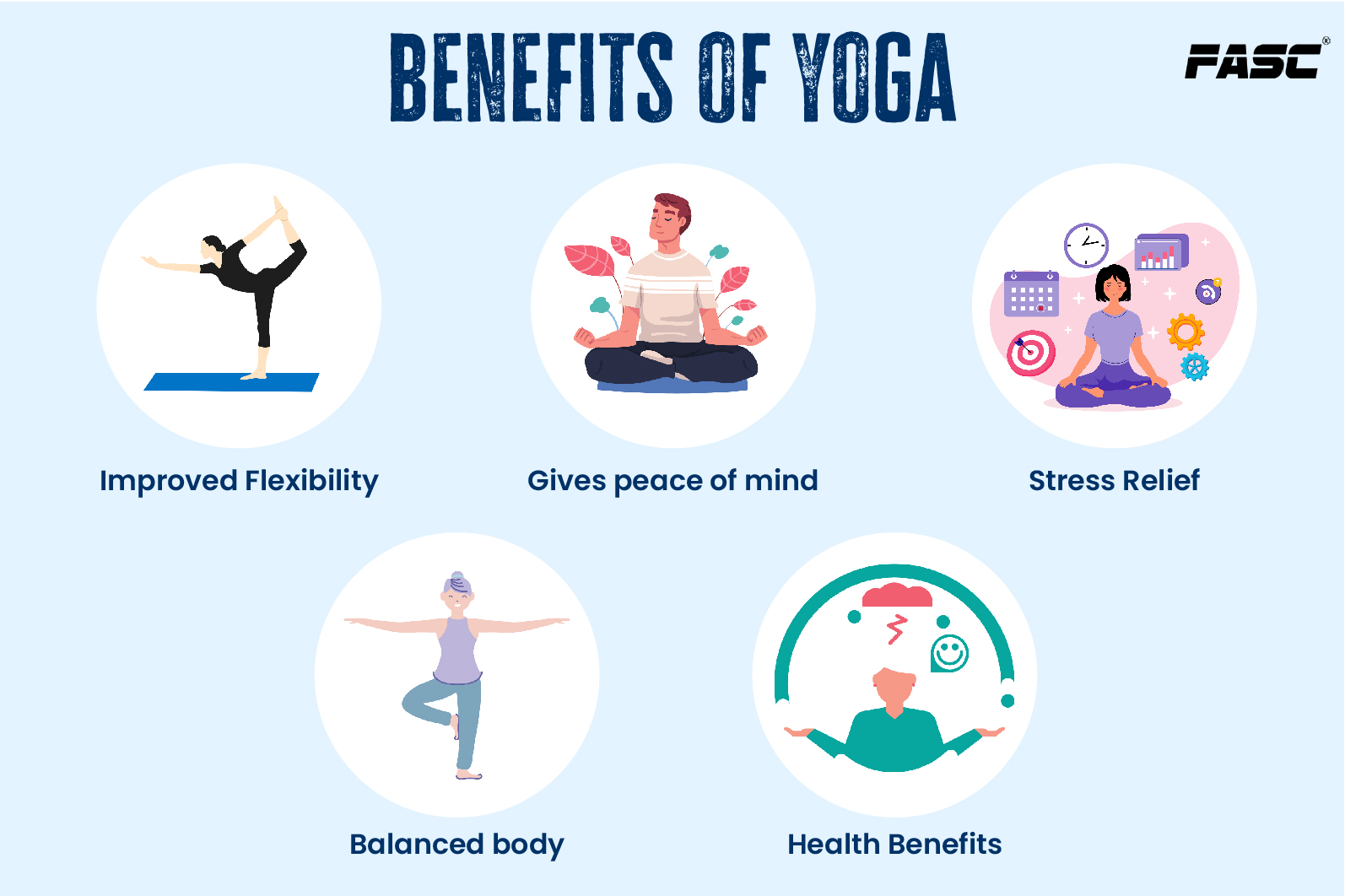
Improved Flexibility
Yoga enhances flexibility through a variety of poses that stretch and lengthen muscles. This increased range of motion can improve overall mobility and reduce stiffness, benefiting daily activities and reducing the risk of injury.
Gives peace of mind
The meditative aspects of yoga help calm the mind and improve focus. Regular practice promotes mental well-being, reduces stress, and enhances emotional resilience, leading to a more balanced and peaceful state of mind.
Stress Relief
Yoga incorporates deep breathing and mindfulness techniques that effectively lower stress levels. These practices help activate the parasympathetic nervous system, promoting relaxation and reducing the impact of stress on the body.
Balanced body
Many yoga poses challenge your balance and core strength, which enhances stability. This improvement is beneficial for daily activities and can prevent falls and injuries, especially as you age.
Health Benefits
Yoga supports overall health by integrating body, mind, and spirit. It can boost your immune system, improve sleep quality, and support a healthy lifestyle through its emphasis on mindful living and self-care.
Benefits of Gym
The main advantages of working out are discussed below, focusing on how it promotes physical development, muscular building, and overall health.
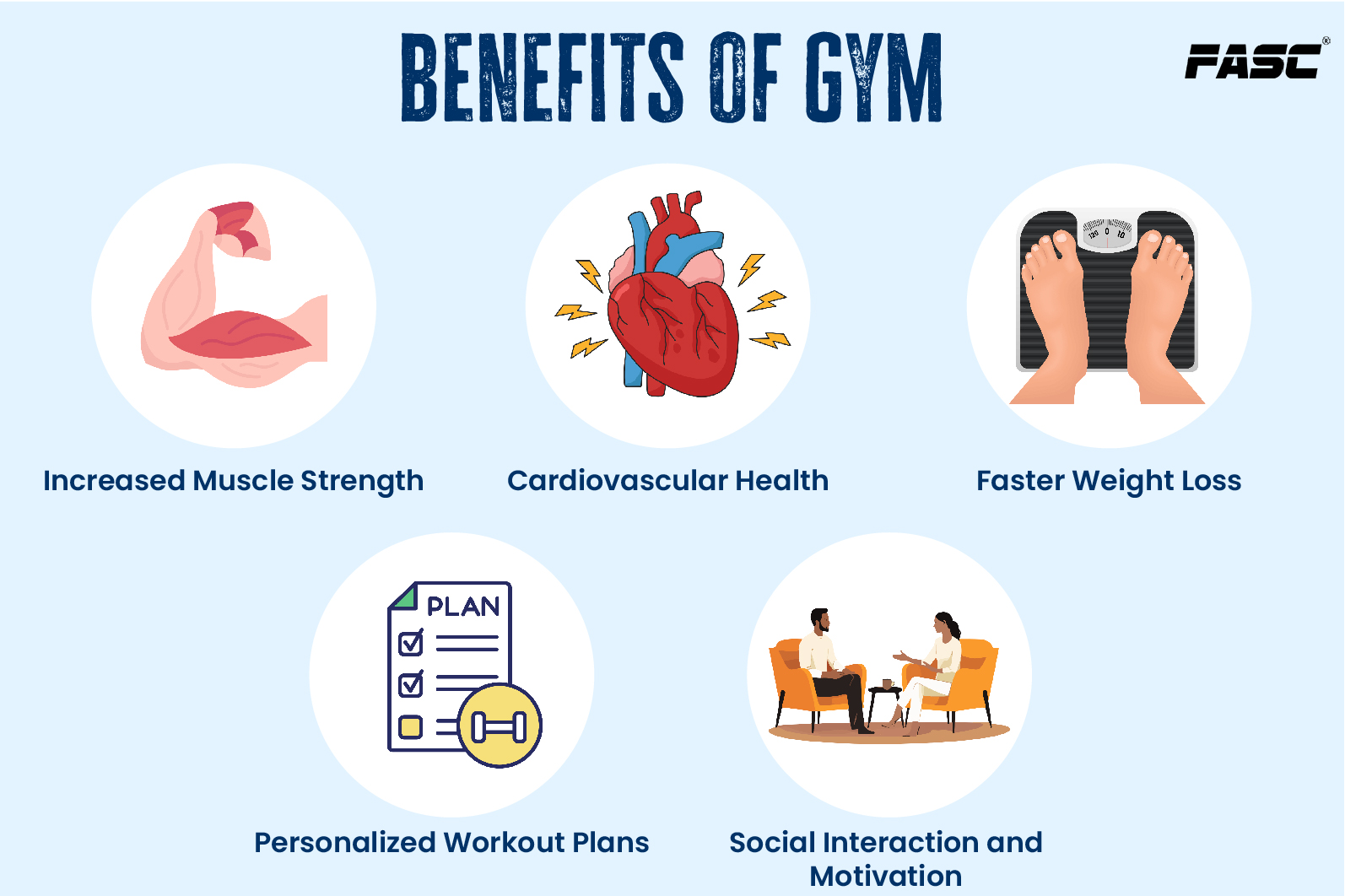
Increased Muscle Strength
Gym workouts, especially weight training, effectively build and tone muscles. Enhanced muscle strength supports daily activities, improves posture, and increases overall functional fitness.
Cardiovascular Health
Cardiovascular exercises, such as running or cycling in the gym, improve heart health and stamina. Regular cardio workouts can lower blood pressure, reduce cholesterol levels, and improve overall cardiovascular fitness.
Faster Weight Loss
High-intensity interval training (HIIT) and other gym-based workouts can accelerate weight loss. The combination of strength and cardio exercises helps burn calories more efficiently, contributing to quicker results.
Personalized Workout Plans
Gyms offer structured programs and professional guidance to achieve specific fitness goals. Access to personal trainers and varied workout plans ensures targeted and effective training for improved results.
Social Interaction and Motivation
The gym environment provides opportunities for social interaction and motivation. Working out in a group setting or with a workout buddy can increase accountability and make exercise more enjoyable.
Conclusion
Choosing between yoga vs gym workouts depends on your personal fitness goals and preferences. Yoga excels in enhancing flexibility, mental well-being, and overall relaxation, while gym workouts are ideal for building strength, cardiovascular health, and achieving specific fitness targets. Both approaches offer valuable benefits and can be complementary to each other. You can choose the approach that aligns best with your personal health goals and lifestyle.
Frequently Asked Questions (FAQs)
1. Which is better for mental health: yoga or the gym?
Yoga is often better for mental health due to its focus on mindfulness and stress reduction, while the gym primarily boosts mood through physical activity.
2. How often should I do yoga or gym workouts?
Aim for at least 3-4 sessions per week of either yoga or gym workouts to maintain fitness and achieve desired results.
3. Is yoga suitable for beginners?
Yes, yoga is suitable for beginners and can be adapted to various skill levels. Many classes and resources are available for those new to the practice.
Share :
Recent Blog




- Sep 04, 2026
