- Fitness
Intermittent Fasting and Fitness: How Does It Really Work?
- Oct 31, 2025
- 4 min
Key Takeaways
- Start with shorter fasting hours.
- Avoid overeating in the eating window.
- Consistency matters more than duration.
- Focus on whole, nutrient-rich meals.
- Listen to your body’s signals.
Intermittent fasting has become one of the most popular health trends in recent years. Many fitness enthusiasts claim that it helps with fat loss, muscle gain, and overall energy improvement. But does intermittent fasting really work when combined with a fitness routine? Let’s break it down in simple words.

What is Intermittent Fasting?
Intermittent fasting is not a typical fasting diet where you skip meals randomly. It is a structured eating pattern where you cycle between eating and fasting hours. The most common intermittent fasting schedule includes fasting for a set number of hours and eating within a specific window.
How Intermittent Fasting Works with Fitness
When done correctly, intermittent fasting can support weight loss and fitness goals because:
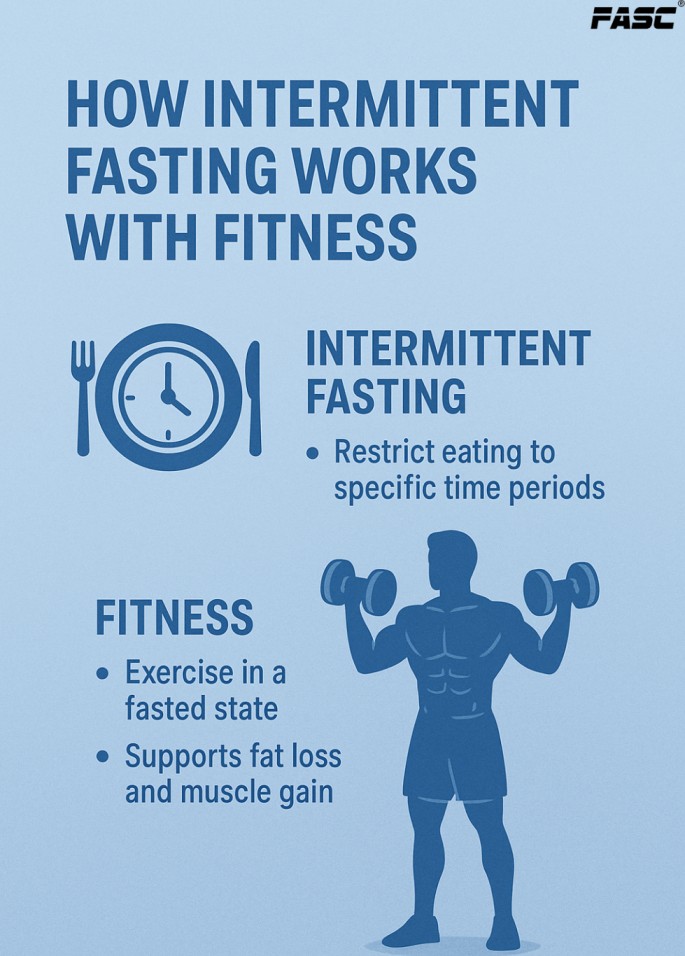
- It boosts metabolism and improves fat-burning.
- The body uses stored fat for energy during fasting hours, leading to fat loss.
- It may enhance growth hormone levels, helping in muscle repair and strength.
Best Intermittent Fasting Schedules to Try
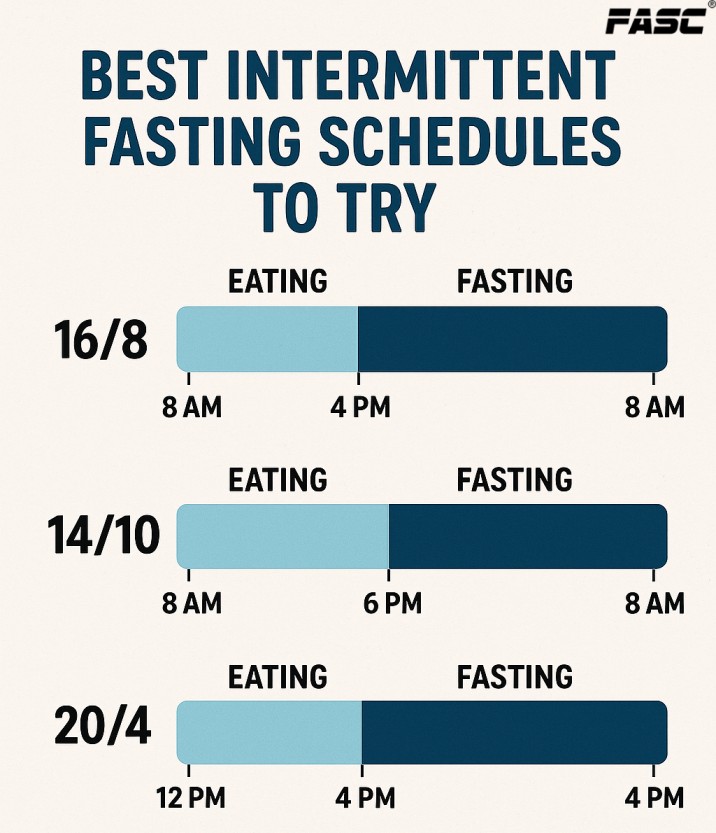
Here are some popular and simple intermittent fasting methods for beginners:
|
Fasting Schedule |
Eating Window |
Best For |
|---|---|---|
|
16:8 Method |
Fast 16 hrs, Eat 8 hrs |
Fat loss & beginners |
|
14:10 Method |
Fast 14 hrs, Eat 10 hrs |
Easy start for newcomers |
|
5:2 Method |
Eat normally for 5 days, low-calorie for 2 days |
Weight loss & flexible schedule |
|
OMAD (One Meal A Day) |
1 meal in a day |
Advanced fasting |
Your intermittent fasting hours can be adjusted – for example, 8 PM to 12 PM next day (16:8) works well for most people.
What to Eat During Intermittent Fasting
To make intermittent fasting more effective for fitness, choose foods that boost energy and muscle recovery:
- High-protein meals (eggs, paneer, chicken, tofu, lentils)
- Healthy carbs (fruits, oats, quinoa, sweet potato)
- Good fats (nuts, seeds, avocado, ghee)
- Hydration: water, coconut water, herbal tea, black coffee (no sugar)
This fasting diet approach keeps you full and supports muscle recovery.
Things to Take Care of While Intermittent Fasting
Intermittent fasting works best when you follow it the right way and support your body with healthy habits.Before you begin, keep these essential tips in mind to ensure a safe and effective fasting experience.
-
Stay Hydrated
Drink enough water, herbal teas, or infused water to avoid fatigue and headaches.
-
Choose Nutritious Foods
When you eat, focus on whole foods, lean proteins, healthy fats, and fiber-rich meals.
-
Break Your Fast Gently
Start with light foods like fruits, nuts, or soups before moving to a full meal.
-
Listen to Your Body
If you feel dizzy, extremely weak, or unwell, adjust your fasting window or take a break.
-
Plan Your Meals
Avoid overeating by planning what you will eat during the eating window.
Common Mistakes to Avoid During Intermittent Fasting
Even the best intermittent fasting schedule won’t work if you follow the wrong habits.
Avoid these common mistakes to stay consistent and see better results from your fasting routine.

Avoid these mistakes that reduce the benefits of fasting:
-
Breaking Fast with Sugary or Processed Foods
This spikes blood sugar and causes energy crashes.
-
Not Eating Enough Protein
Low protein causes muscle loss, tiredness, and poor recovery.
-
Fasting + Heavy Workouts at the Same Time (Initially)
Start slow; let your body adapt before intense exercise.
-
Ignoring Electrolytes
Low sodium, magnesium, or potassium may cause headaches and muscle cramps.
Recommended Gear for Intermittent Fasting & Fitness
The right essentials can help you stay consistent, hydrated, and energized during your fasting journey. Here’s a list to support your routine:
1. Insulated Water Bottle – Keeps you hydrated throughout fasting hours.
2. Fitness Tracker or Smartwatch – Monitors steps, sleep, heart rate, and fasting-friendly workouts.
3. Yoga Mat – Perfect for light workouts, stretching, and meditation while fasting.
Conclusion
Intermittent fasting is more than a fasting diet; it's a lifestyle pattern that can improve metabolism, boost fat loss, and enhance workout performance. The key is choosing the best intermittent fasting schedule based on your routine, body type, and fitness goals. Combine healthy eating, proper hydration, and exercise to get the most out of your intermittent fasting hours.
Frequently Asked Questions (FAQs)
1. Can I exercise while doing intermittent fasting?
Yes, you can. Many people combine workouts with intermittent fasting for better fat-burning results.
2. What are the best intermittent fasting hours for beginners?
A simple intermittent fasting method for beginners is the 14:10 schedule fast for 14 hours and eat within a 10-hour window. It’s easy to adjust and maintain.
3. Will intermittent fasting cause muscle loss?
Not if you consume enough protein and strength train. Following the best intermittent fasting schedule with proper nutrition helps maintain muscle while losing fat.
4. What should I eat to break the fast?
Start with light and nutritious foods like fruits, nuts, dates, yogurt, or eggs. Avoid heavy fried foods immediately after fasting hours to prevent bloating and sudden sugar spikes.
5. Who should avoid intermittent fasting?
Pregnant women, people with medical conditions like diabetes or low blood pressure, and those recovering from eating disorders should avoid or consult a doctor before starting any fasting schedule.
Share :
-Everything-You-Need-to-Get-Started.png)