- Sports
Muay Thai in India and Worldwide: Complete Guide to History, Growth, Training, and Self-Defense Benefits
- Feb 20, 2026
- 4 min
Key Takeaways
- Muay Thai is globally regulated and IOC-recognized.
- Muay Thai worldwide includes participation from over 130 countries.
- Muay Thai in India is steadily expanding through organized competition.
- Muay Thai benefits include improved conditioning, strength, and coordination.
- Muay Thai self-defense tools are effective for close-range striking.
- Long-term Muay Thai training builds physical and mental resilience.
Introduction: Why Muay Thai Continues to Grow Worldwide
Muay Thai has evolved from a traditional Thai combat system into a globally recognized striking sport. The reason for its expansion is simple: Muay Thai techniques work consistently in real competition.
From professional stadium fights in Thailand to international mixed martial arts events, Muay Thai training methods have proven reliable under pressure. This performance-based credibility explains why Muay Thai worldwide continues to expand - including the rapid development of Muay Thai in India.
Unlike martial arts built primarily around tradition or performance aesthetics, Muay Thai emphasizes functional striking, posture control, and endurance.
What Is Muay Thai? Understanding the Art of Eight Limbs
Muay Thai is often called the Art of Eight Limbs because it uses:
- Two fists
- Two elbows
- Two knees
- Two shins
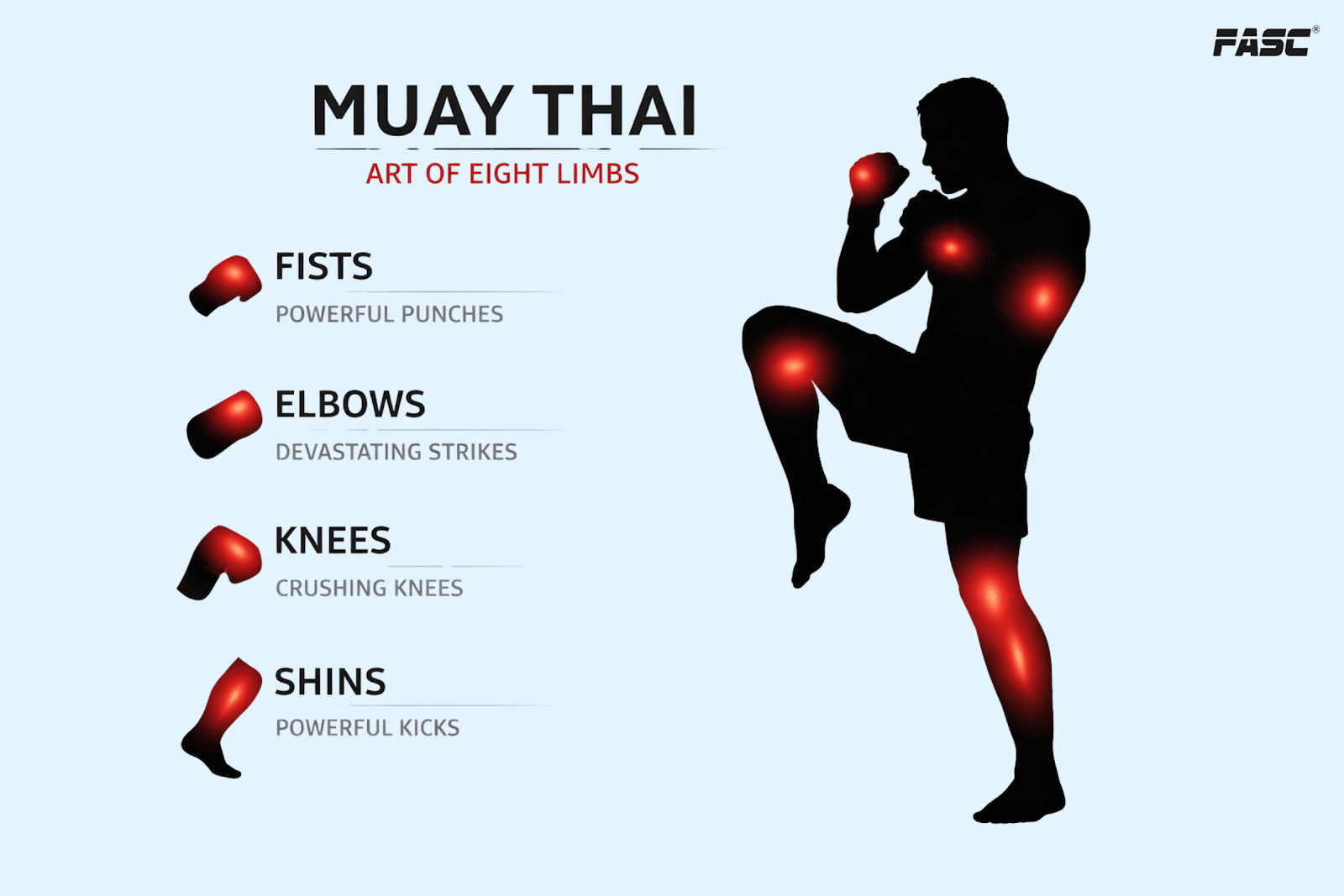
This eight-point contact system makes Muay Thai one of the most complete stand-up striking disciplines available today.
A defining feature of Muay Thai training is the clinch. Instead of separating at close range, practitioners use clinch control to disrupt balance and deliver knees or elbows. This structural element separates Muay Thai from many other striking systems.
If you want a deeper technical comparison, the differences between Muay Thai and other striking arts are clearly outlined in Which Combat Sport Is Right for You? That comparison helps clarify why Muay Thai vs kickboxing debates often center around clinch control and elbow usage.
Understanding those distinctions strengthens your grasp of Muay Thai’s structural advantages.
Global Recognition: How Famous Is Muay Thai Worldwide?
Muay Thai is governed internationally by the International Federation of Muaythai Associations (IFMA), which holds recognition from the International Olympic Committee.
With more than 130 affiliated nations, Muay Thai worldwide operates under a regulated and standardized framework. Amateur and professional Muay Thai competitions are held across Europe, Asia, North America, and Australia.
The global expansion of mixed martial arts significantly increased the visibility of Muay Thai techniques. Low kicks, clinch knees, and elbows — all central to Muay Thai training — are regularly used in elite competition.
This competitive validation is a key reason Muay Thai benefits from sustained global popularity.
Muay Thai in India: Growth and Development
The rise of Muay Thai in India has been steady and structured. The sport is regulated by the Muaythai Association of India, which coordinates international representation.
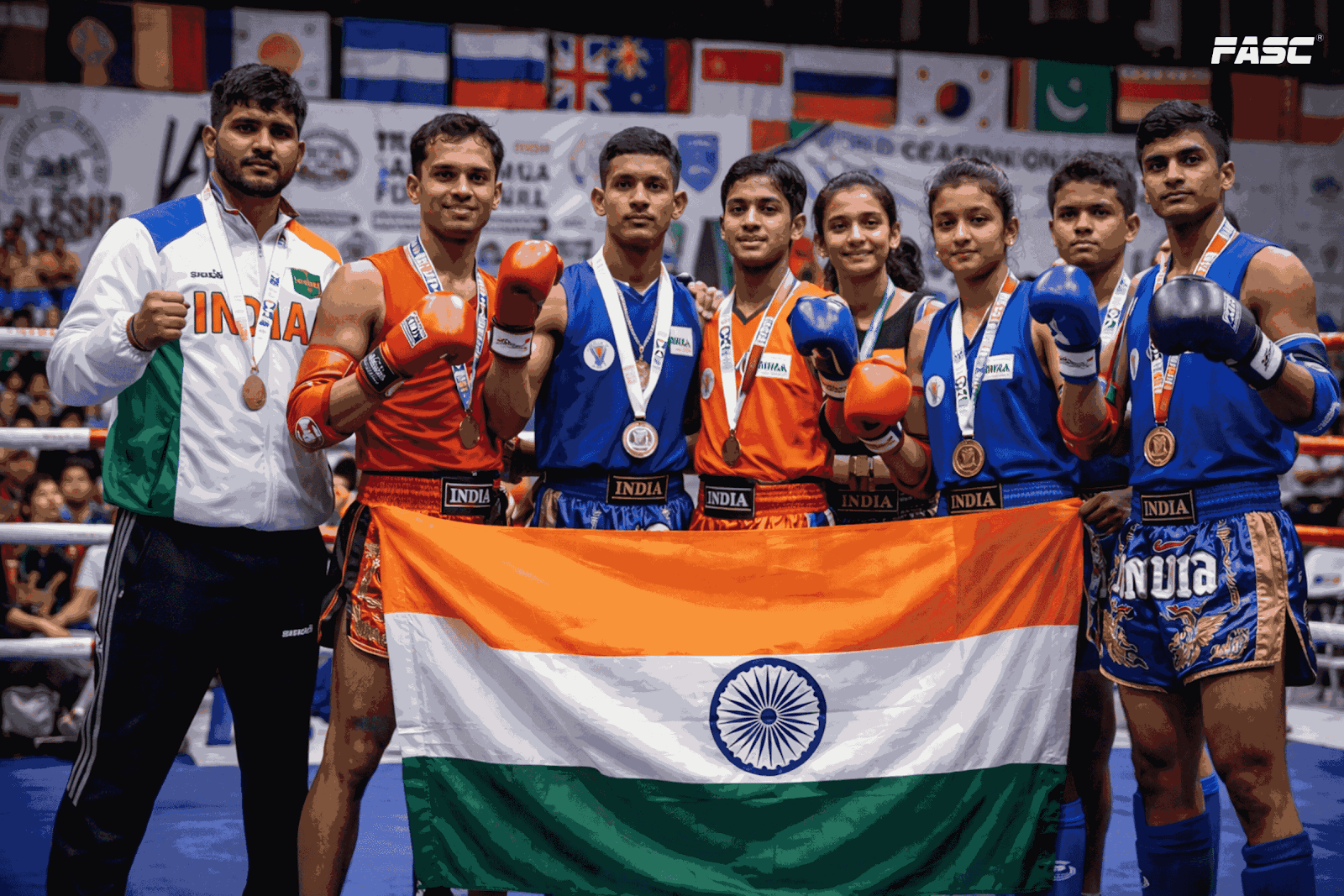
Indian athletes participate in IFMA championships and Asian-level tournaments, especially in youth and amateur divisions. Medal performances demonstrate organized development rather than isolated participation.
Urban fitness culture in India is also shifting toward performance-based sports training. As more individuals prioritize athletic capacity over aesthetic gym routines, Muay Thai training gains relevance.
This broader conversation about sports-based conditioning is examined in Sports vs Gym Training, where structured athletic training systems like Muay Thai are compared with traditional gym workouts.
Muay Thai in India fits directly into that high-performance trend.
Physical Benefits of Muay Thai Training
Research on combat athletes shows measurable Muay Thai benefits in several areas:
1. Cardiovascular Conditioning
Muay Thai training involves high-intensity rounds that improve aerobic and anaerobic capacity.
2. Functional Strength
Rotational strikes build hip power, core stability, and dynamic balance.
3. Coordination and Reflexes
Pad work and sparring enhance reaction time and neuromuscular control.
4. Lean Athletic Development
Muay Thai builds performance-based muscle without unnecessary bulk.
These physiological improvements explain why Muay Thai is often recommended for individuals seeking total-body conditioning rather than isolated strength gains.
Mental Discipline and Skill Development
Muay Thai training requires repetition and technical refinement. There is no shortcut around fundamentals.
Controlled sparring builds emotional regulation under pressure. Over time, this improves composure and strategic thinking.
This relationship between martial arts and psychological discipline is also explored in Judo: The Science of Balance, Discipline, and Real Combat Skill which analyzes how structured combat systems build mental resilience.
Whether in Muay Thai or Judo, discipline remains central to long-term mastery.
Is Muay Thai Effective for Self-Defense?

Muay Thai self-defense effectiveness depends on simplicity and adaptability.
Its strengths include:
- Low kicks that impair mobility
- Elbows effective in close quarters
- Clinch control for posture disruption
- Conditioning that improves stress tolerance
For close-range striking scenarios, Muay Thai self-defense tools are practical and efficient.
However, Muay Thai does not specialize in ground grappling or weapon defense. Comprehensive self-defense may require cross-training.
Physical engagement should always remain the last option after awareness and de-escalation.
How Long Does It Take to Learn Muay Thai?
Skill development in Muay Thai follows predictable stages:
- 3–6 months: Basic technique familiarity
- 6–12 months: Functional competence
- 2–5 years: Advanced proficiency
Consistency in Muay Thai training determines long-term results.
Conclusion
Muay Thai has earned its global reputation not through marketing, but through consistent performance. With regulation under the International Federation of Muaythai Associations and recognition from the International Olympic Committee, it stands as a structured and internationally respected combat sport.
Its eight-limb striking system, clinch control, and conditioning demands make it both physically demanding and technically complete. The steady rise of Muay Thai in India reflects a broader shift toward performance-based training rather than purely aesthetic fitness trends.
Beyond competition, Muay Thai builds cardiovascular endurance, functional strength, coordination, and mental resilience. It offers practical close-range self-defense tools while reinforcing discipline and composure under pressure.
Frequently Asked Questions
1. Is Muay Thai recognized internationally?
Yes. Muay Thai operates under IFMA with IOC recognition.
2. How popular is Muay Thai in India?
Muay Thai in India is growing through national governance and participation in international events.
3. Is Muay Thai good for beginners?
Yes. Structured Muay Thai training programs accommodate beginners safely.
4. Is Muay Thai effective for self-defense?
Muay Thai self-defense is practical for striking and clinch scenarios, though cross-training may enhance overall preparedness.
5. How often should I train Muay Thai?
Three to four sessions per week are effective for steady progress.
.png)
.png)
.png)