- Sports
Sports Nutrition: What to Eat for Better Performance
- Apr 04, 2025
Key Takeways:
- Fuel smart: A balanced diet is your secret weapon for peak performance.
- Timing is everything: Eat the right foods at the right time to enhance your game.
- Protein powers recovery: Regular protein intake supports muscle repair and growth.
- Hydration matters: Stay hydrated to maintain focus, energy, and overall health.
- Avoid the wrong foods: Steer clear of high-fat, sugary, or high-fiber meals before competition.
- Personalize your diet: Tailor your nutrition to fit your sport and goals for optimal results.
Let’s be real—when you’re pushing your body to perform at its best, food matters a lot. Whether you're running marathons, hitting the gym regularly, or just trying to level up your game, your body needs the right fuel. That’s where sports nutrition comes in.
But don’t worry—we’re not talking about super strict diets or fancy supplements. This is about eating smart, listening to your body, and giving it what it needs to power through training and recover like a champ.
Why Nutrition in Athletic Performance Matters
Nutrition for athletes goes far beyond just eating healthy. It's a science-backed approach to fueling the body with the right nutrients at the right time. When done correctly, a good sports diet can:

- Boost energy and endurance
- Enhance muscle recovery
- Improve focus and reaction time
- Support overall health and immunity
The ultimate goal of sports nutrition is to match the body’s demands with optimal fuel—helping athletes train harder, perform better, and recover faster.
The Basics of Sports Nutrition
If you’re building a nutrition plan for athletes, start with the basics. No need to overcomplicate things:
- Carbohydrates: These are your body’s main energy source. Whole grains, fruits, and vegetables should be your go-to.
- Protein: Vital for muscle repair and recovery. Include lean meats, dairy, eggs, beans, or plant-based protein sources.
- Fats: Don’t skip them! Healthy fats like nuts, seeds, and avocado provide long-lasting energy.
- Hydration: Water is just as crucial as food. Dehydration can quickly lead to fatigue and poor performance.
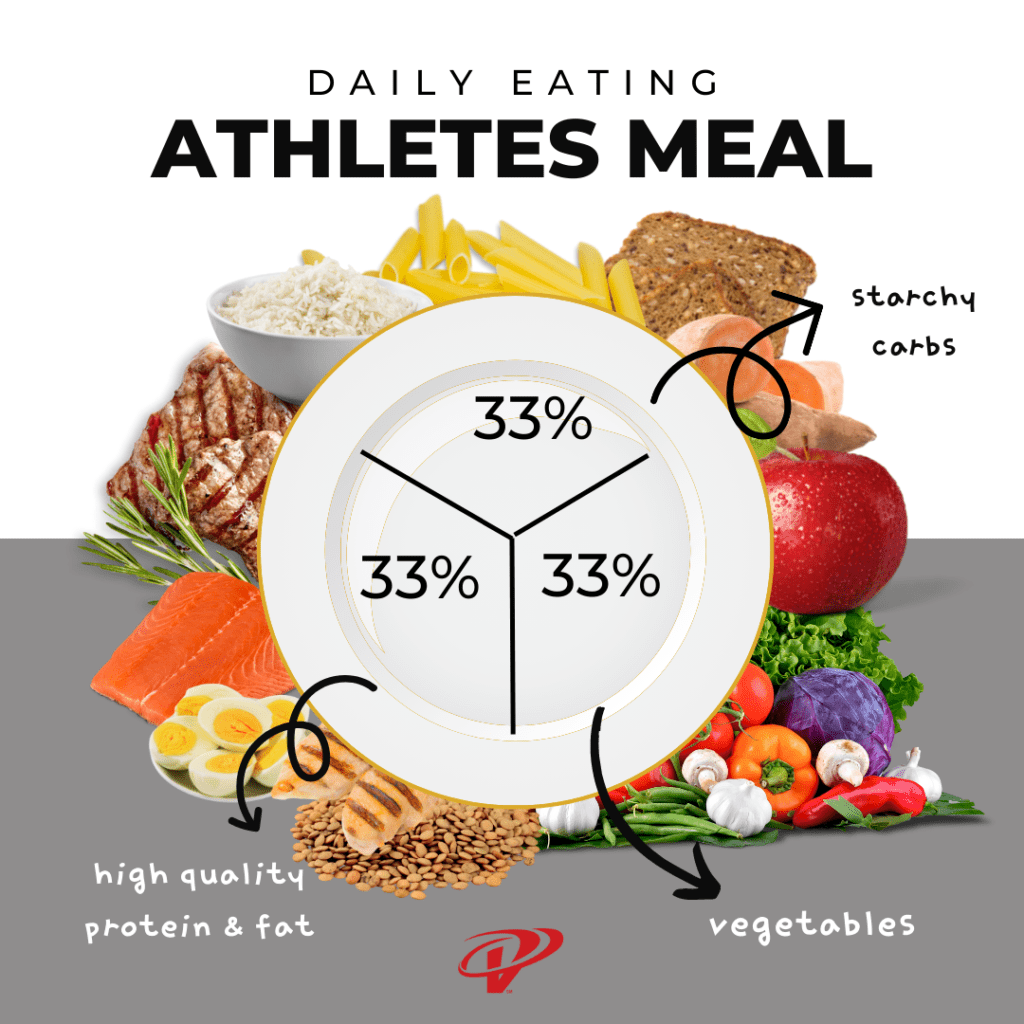
Athletes should also focus on timing—eating the right foods before, during, and after training to maintain energy and rebuild muscles.
What to Eat Before a Competition
Pre-competition meals can make or break your performance. A well-timed, balanced meal can improve stamina and prevent fatigue. Here’s what the best diet for athletes should include before a big event:
- Eat a balanced meal 3–4 hours before activity: Include complex carbs, moderate protein, and low fat. (Example: Grilled tofu with brown rice and steamed vegetables.)
- Have a light snack 30–60 minutes before: Go for something easy to digest and rich in simple carbs. (Example: Banana with a spoon of peanut butter or a slice of toast with honey.)
This strategy helps provide sustained energy and avoids sluggishness or stomach discomfort.
Foods to Avoid Before a Competition
Even with the healthiest diet for athletes, certain foods can backfire if eaten right before competing. Avoid:
- High-fat foods: These take longer to digest and can cause cramping.
- Sugary snacks: While they provide a quick energy spike, the crash can affect focus and performance.
- High-fiber foods: They can lead to bloating or gastrointestinal discomfort.
- Caffeinated energy drinks: These may cause dehydration or jitteriness.
To follow a truly healthy diet for athletes, it’s just as important to know what not to eat as it is to know what to eat.
Conclusion
At the end of the day, sports nutrition is all about personalization. There’s no one-size-fits-all, but understanding the foundation of a sports diet—balanced macronutrients, proper hydration, and smart timing—can give you a serious edge. Whether you're building a long-term nutrition plan for athletes or just trying to get your pre-game meals right, sticking to the best diet for athletes can maximize your performance and support your overall well-being.
So, listen to your body, make mindful food choices, and let your sports nutrition strategy be your secret weapon on the field.
FAQ’s
1. What should I eat on a daily basis as an athlete?
A balanced mix of carbohydrates, protein, and healthy fats is key. Focus on whole foods like brown rice, oats, lean meats, eggs, dairy, nuts, fruits, and vegetables. The exact ratio depends on your sport, training intensity, and personal goals.
2. How soon before a workout or competition should I eat?
Ideally, eat a full meal 3–4 hours before activity and a small, carb-rich snack 30–60 minutes prior. This helps maintain energy without causing stomach discomfort or sluggishness.
3. Is protein really that important for athletes?
Yes—protein plays a major role in muscle repair and recovery. Athletes should aim for regular protein intake throughout the day, especially after training sessions, to support muscle growth and prevent breakdown.
4. Can I rely on supplements instead of food for performance?
Supplements can help fill gaps but shouldn’t replace real food. Whole foods provide a wider range of nutrients your body needs for optimal performance, recovery, and long-term health.
5. What’s the best way to stay hydrated during training?
Drink water consistently throughout the day—not just during workouts. For longer sessions or high-heat conditions, consider electrolyte drinks to replenish sodium, potassium, and magnesium lost through sweat.
Share :
Recent Blog



- Sep 04, 2026