- Gym
Push-Pull-Legs Workout: The Most Efficient Split Explained

- Jun 27, 2025
Key Takeaways:
- The push-pull-legs split organizes workouts based on natural movement patterns.
- This split is one of the most balanced and flexible routines, suitable for all fitness levels.
- It promotes injury prevention and ensures you train every major muscle group.
- You can run this program 3, 4, or 6 days a week based on your time and fitness goals.
- Switching up your exercises every couple of months helps you keep progressing.
What is the Push-Pull-Legs Split?
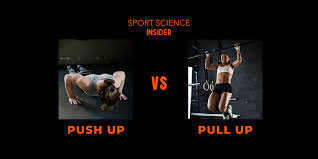
The Push-Pull-Legs (PPL) split is a workout routine that divides training into three categories: push exercises, pull exercises, and leg exercises.
It helps target specific muscle groups efficiently while allowing for optimal recovery and growth.At its core, the push-pull-legs split breaks workouts into three categories
Push days — exercises that work pushing muscles (chest, shoulders, triceps).
Pull days — exercises that work pulling muscles (back, biceps).
Leg days — exercises that train your entire lower body (quads, hamstrings, glutes, calves).
This style groups muscles that work together naturally, allowing you to train them more effectively while avoiding overuse injuries.
For example, on a push day, you might bench press (chest), overhead press (shoulders), and do tricep dips. On a pull day, you might deadlift (posterior chain), do pull-ups (lats), and bicep curls. On leg day, you could squat, lunge, and finish with calf raises.
Why is the Push-Pull-Legs Split so Effective?
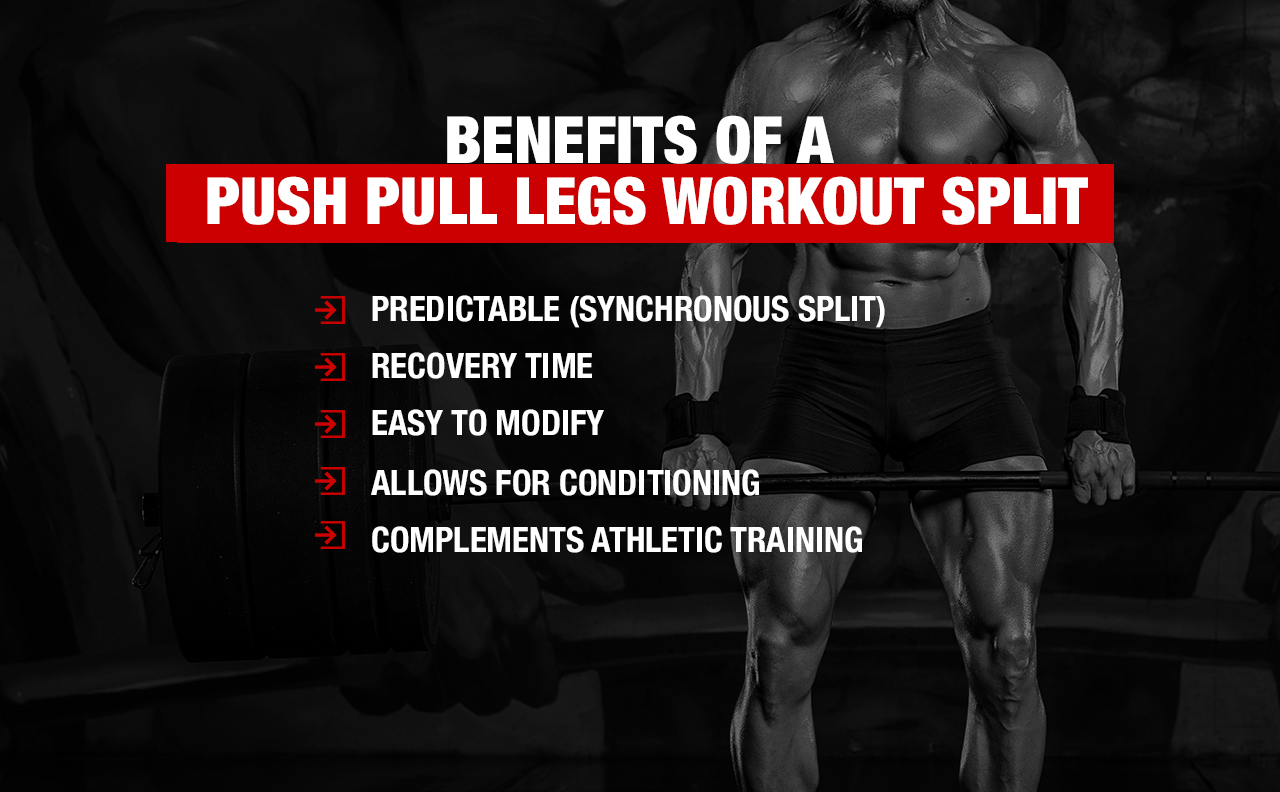
Here’s why so many athletes and bodybuilders swear by it:
1. Balanced Muscle Group Training
Push, pull, and leg days target specific, non-overlapping muscle groups. This allows you to train hard without overworking the same muscles. It ensures symmetrical development across your entire body.
2. Optimal Recovery
Each muscle group gets at least 48 hours to recover before being trained again. This reduces soreness and risk of overtraining. Better recovery leads to faster strength and muscle gains.
3. Highly Flexible Routine
You can train 3, 4, 5, or 6 days a week depending on your schedule. PPL fits both beginners and advanced lifters. The structure is easy to customize for different fitness goals.
4. Focus on Compound Movements
Workouts emphasize big lifts like squats, deadlifts, and bench press. These exercises train multiple muscles at once. That makes workouts more efficient and effective.
5. Simple Yet Sustainable
The split is easy to understand and follow consistently. Simplicity boosts long-term adherence and motivation. Consistency is the key to long-term progress.
Push-Pull-Legs Routine
Push Day
- Bench Press
- Overhead Shoulder Press
- Incline Dumbbell Press
- Lateral Raises
- Tricep Rope Pushdowns
Pull Day
- Pull-Ups or Lat Pulldowns
- Barbell Rows
- Face Pulls
- Seated Cable Rows
- Bicep Curls
Leg Day
- Back Squats
- Romanian Deadlifts
- Leg Press
- Walking Lunges
- Calf Raises
Depending on your recovery and schedule, you could repeat this over a 6-day program with one rest day, or do a 3-day split with rest days in between.
Conclusion
If you’re tired of random gym routines and want a structured, efficient, and science-backed way to train, the push-pull-legs split might be your best bet. By grouping similar muscle groups together, you maximize your recovery, gain strength, and keep your workouts organized.
Plus, with its flexibility, the PPL split can adapt to almost any lifestyle — whether you have three days a week to train or you’re aiming for a six-day commitment. Remember to listen to your body, progressively overload your lifts, and switch up your exercises occasionally to keep things
Frequently Asked Questions
Q1: Is push-pull-legs good for beginners?
Absolutely. Beginners will benefit from learning compound lifts and building balanced muscle development using the PPL split.
Q2: How many days a week should I do push-pull-legs?
Anywhere from 3 to 6 days per week works. Beginners often start with 3 will be helpful
Q3: Can I do cardio with push-pull-legs?
Yes, cardio can be added on rest days or after workouts, depending on your goals.
Q4: What if I miss a workout day?
No worries! Simply continue with your next scheduled workout. That’s one of the perks of the PPL split — it’s very flexible.
Q5: Should I change the exercises regularly?
Yes, every 6–8 weeks consider switching up exercises, angles, or rep ranges to prevent plateaus and keep things interesting.
.png)
.png)
.png)