- Gym
Strength Training vs Hypertrophy: What's Right for You?
- Aug 19, 2025
- 5 min
Key takeaways
- Strength training builds power using heavy weights and low reps.
- Hypertrophy training increases muscle size with moderate weights and higher reps.
- Both methods improve overall fitness, strength, and endurance.
- Choose the style that best matches your personal fitness goals.
- Proper form, nutrition, and recovery are essential for progress.
When you hit the gym, the first question isn’t what machine to use—it’s what you’re training for. Do you want raw strength to lift heavier and perform better, or bigger muscles for that defined, aesthetic look? That’s where the debate between strength training and hypertrophy training comes in. While both involve lifting weights, their goals, methods, and results differ.
Hypertrophy vs Strength Training: What’s the Difference?
Both fall under the umbrella of resistance training exercises that use external resistance (like weights, bands, or your body weight) to make your muscles work harder.
Hypertrophy training
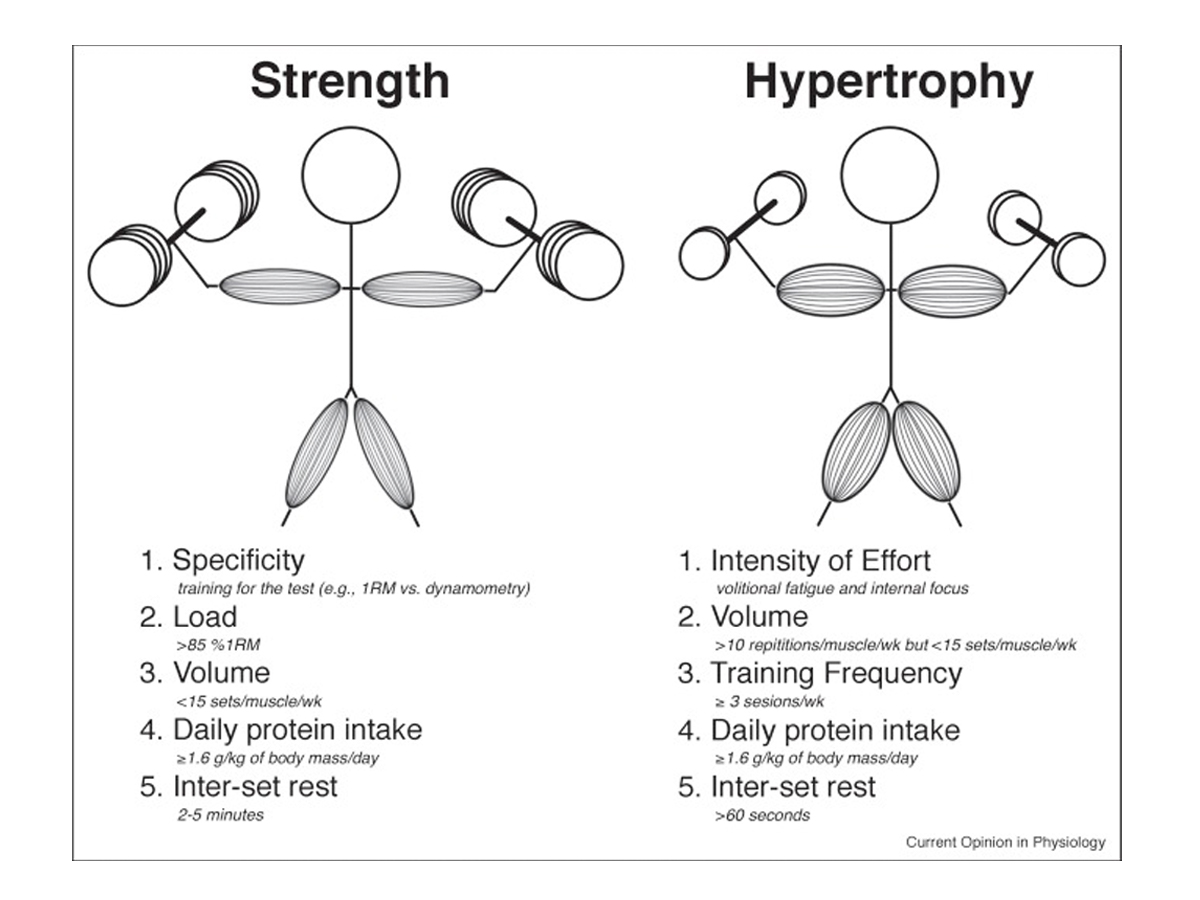
Focuses on increasing muscle size. This is common among bodybuilders and people who want a more muscular or aesthetic look. Workouts typically involve moderate weights, higher reps (8–12), and multiple sets with shorter rest times to create enough muscle fatigue for growth.
Strength training
Focuses on improving the maximum weight you can lift. Powerlifters and athletes often follow this style to boost raw performance. Training emphasizes low reps (1–6), heavier weights, and longer rest periods to maximize recovery and lift capacity.
Training style & intensity
Hypertrophy usually involves moderate weights with higher reps (8–12 range), while strength training relies on heavier weights with lower reps (1–6 range).
It’s important to note: building size can also improve strength, and building strength can also increase size. They’re interconnected, but the way you train determines which adaptation you emphasize.
Benefits of Hypertrophy Training
Hypertrophy training isn’t just about looks—it offers multiple fitness benefits beyond building bigger muscles. From boosting metabolism to improving endurance, it can enhance both your physique and overall performance.
Muscle growth & definition
Hypertrophy training helps increase muscle size, giving you a fuller, more aesthetic physique. It’s the go-to method for those aiming for visible muscle definition. Over time, this also improves symmetry and balance in your overall body shape.
Metabolism boost
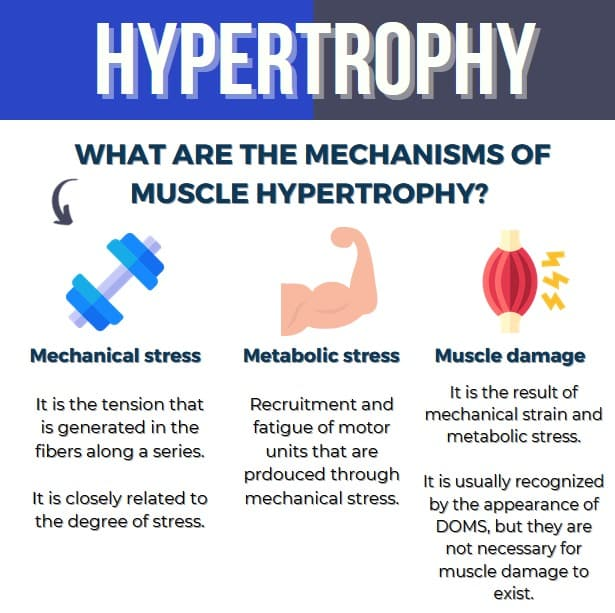
Having more muscle mass boosts your resting metabolism. This means you burn more calories throughout the day, even while resting. It can be especially helpful for fat loss and long-term weight management.
Improved endurance
Training with moderate weights and higher reps builds muscular endurance. This allows your muscles to perform longer without fatigue. It also supports better performance in sports and daily physical activities.
Benefits of Strength Training
Strength training builds more than muscle; it builds power, resilience, and confidence. By focusing on lifting heavier weights, it improves overall performance, protects your health, and makes everyday life easier.

Strength training goes beyond lifting heavy—it builds a foundation for overall fitness and daily life. From boosting athletic performance to improving bone health, its benefits extend well beyond the gym.
Increased raw strength
Strength training develops your ability to move heavy loads. Over time, it makes exercises like squats, deadlifts, and bench presses more effective and powerful. It also enhances functional strength, making you more capable in everyday physical tasks.
Sports performance
For athletes, strength training improves explosive power, agility, and speed. This translates into better overall athletic performance. It provides a strong foundation that reduces the risk of sports-related injuries.
Bone health
Lifting heavy weights strengthens bones and improves density. It helps protect against osteoporosis and supports long-term skeletal health. Stronger bones also mean better posture and stability as you age.
How to Choose Which One Is Best for You
Choosing between strength training and hypertrophy depends on your personal goals and lifestyle. Understanding what you want to achieve whether it’s raw power, muscle size, or both will guide you toward the right training style.
1. Define your primary fitness goal
If your main aim is aesthetic muscle growth and definition, hypertrophy training is the way to go.If you want maximum strength, power, and performance, strength training should be your focus.
2. Match training to your lifestyle needs
Strength training is ideal for athletes, powerlifters, or anyone who wants functional strength for sports or everyday life. Hypertrophy training suits those who want a leaner, toned body and improved muscle endurance.
3. Factor in time and recovery
Strength programs often require longer rest (2–5 minutes) between sets, making workouts longer but less exhausting per set. Hypertrophy programs involve shorter rest (30–90 seconds) and higher volume, giving a more intense workout but with quicker fatigue.
4. Consider long-term health benefits
Strength training builds bone density, joint stability, and injury resilience. Hypertrophy boosts metabolism, posture, and overall muscle balance, supporting weight management and healthy aging.
5. Personality and training style preference
If you enjoy lifting heavy with fewer reps, you’ll likely thrive with strength training. If you like higher reps, pump-style workouts, and chasing the burn, hypertrophy might feel more rewarding.
Remember, you don’t have to choose just one
The best programs often combine strength and hypertrophy. For example:
- Start with heavy compound lifts (strength focus).
- Add accessory work with moderate weights and higher reps (hypertrophy).This way, you’ll gain both strength and size while reducing plateaus.
Conclusion
Both strength training and hypertrophy training offer unique benefits, and theright choice depends on what you want to achieve. If building raw strength excites you, strength training is the way to go. And remember, you don’t have to choose just one. Many people combine both styles. No matter which path you follow, consistency is what truly drive results.
FAQs
1. Which is better: strength training or hypertrophy?
It depends on your goal—strength builds power, hypertrophy builds muscle size.
2. Can I do both strength and hypertrophy training?
Yes, combining both gives balanced results in size and strength.
3. Does hypertrophy also build strength?
Yes, muscle growth naturally increases strength to some extent.
4. Why am I stronger but not bigger?
You’re likely focusing on low-rep strength training, not hypertrophy.
5. Which is better for weight loss?
Both help—hypertrophy burns more during workouts, strength boosts metabolism long term.
.png)
.png)