- Sports
The Role of Recovery Tools Foam Rollers, Massage Guns and More
- Jul 11, 2025
- 6 min
Key Takeaways
- Learn how to use foam rollers and massage guns for optimal recovery.
- Discover lesser-known tools like peanut rollers and infrared wraps.
- Understand how compression tools and ice packs reduce inflammation.
- Explore expert advice on how recovery supports performance.
- Identify which tools best suit your recovery routine and fitness goals.
Recovery is just as important as training when it comes to building strength and avoiding injury. Tools like foam rollers, massage guns, and compression gear help reduce soreness, boost flexibility, and speed up muscle repair. In this blog, we’ll explore how these recovery tools work and why they’re essential for anyone serious about fitness.
What Are Recovery Tools and Why They Matter?
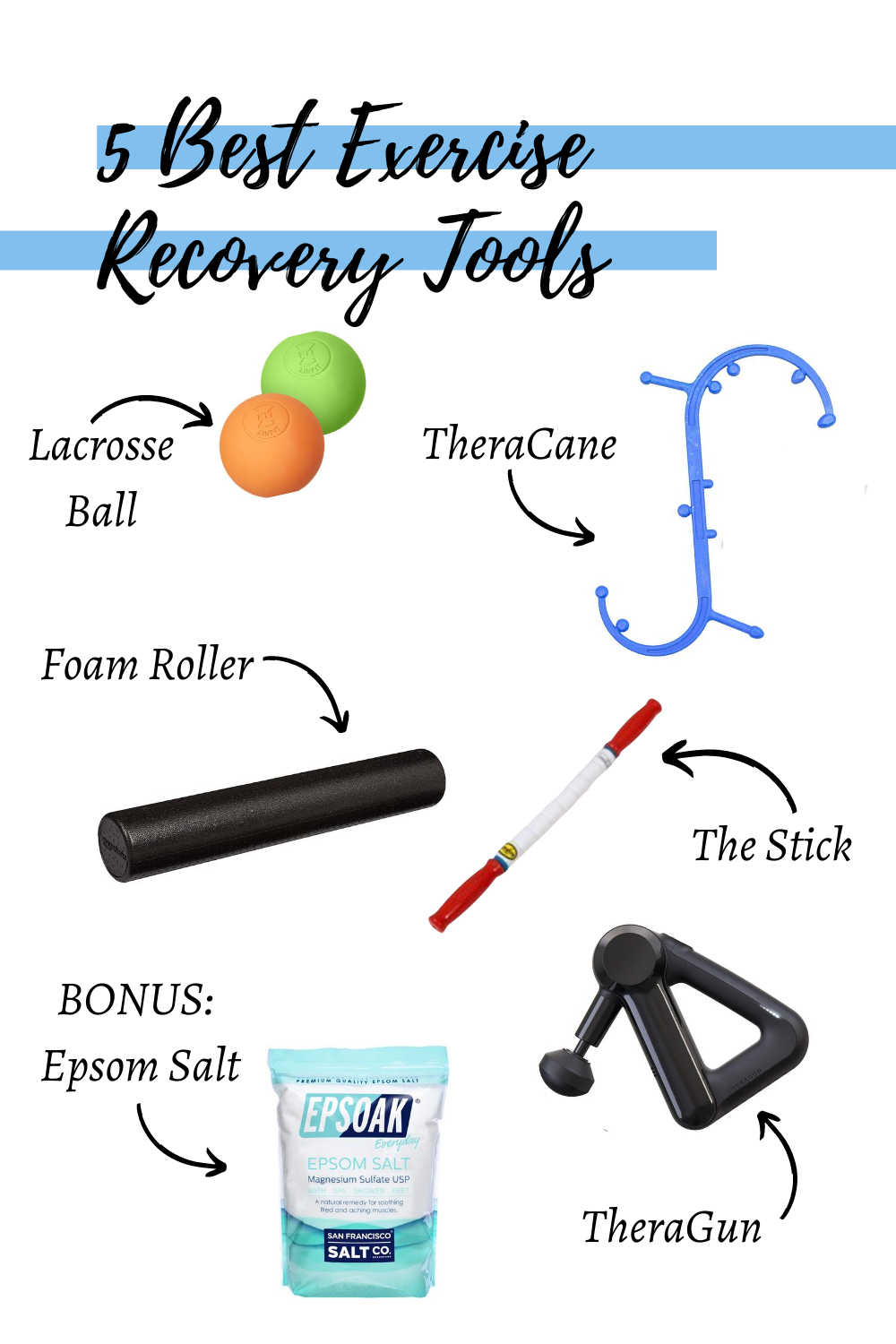
Recovery tools are devices or products designed to aid your body’s healing process after physical activity. They help reduce muscle soreness, decrease inflammation, and enhance circulation. Whether you're training daily or just staying active, using the right tools can improve mobility, reduce injury risk, and boost overall performance.
Investing in tools like foam rollers, mini massage guns, ice packs, and even recovery sandals can accelerate muscle repair and make recovery more efficient.
Types of Recovery Tools
Recovery tools come in various forms—each designed to target different aspects of post-exercise healing. Some tools aid in muscle relaxation, while others focus on reducing inflammation or enhancing circulation. Choosing the right tool depends on your fitness routine, soreness level, and personal preference.
1. Foam Rollers: Simple But Effective Myofascial Release
Foam rollers are a staple in many recovery routines—and for good reason. They’re perfect for self-myofascial release, which targets the connective tissue around muscles (fascia).

Benefits of Foam Rollers
- Relieve tension and reduce post-workout soreness
- Promote blood flow and oxygen delivery to muscles
- Support flexibility and improve mobility
How to Use It:
Place the foam roller under your targeted muscle group (like quads or hamstrings) and roll slowly. Focus on tender areas, pausing for 20–30 seconds on any knots. Just 10 minutes post-exercise can make a big difference.
2. Massage Guns: Deep Tissue Power at Your Fingertips
Massage guns have surged in popularity, especially for athletes. These handheld devices use percussive therapy to target deep muscle tissues.
Why Massage Guns Work
- Reduce delayed onset muscle soreness (DOMS)
- Enhance circulation and lymphatic flow
- Break up deep tissue knots
- Speed up recovery and reduce stiffness
Mini massage guns are also great for on-the-go use—compact but powerful.
Expert Advice: According to Cleveland Clinic, using massage guns correctly can support recovery and improve flexibility when used before or after workouts.
3. Compression Tools: Passive Yet Powerful Recovery
Compression tools like sleeves, boots, and wraps apply pressure to muscles, increasing blood circulation and reducing swelling.
Why Use Compression Tools?
- Reduce inflammation after heavy workouts
- Support muscle alignment and stability
- Help with muscle fatigue and soreness
- Ideal for use during travel or after running sessions
They’re especially helpful after high-intensity training or long-distance running.
4. Cold Therapy: Ice Packs, Cryo Therapy & Recovery Sandals
Cold-based recovery tools help reduce inflammation and pain. Common options include ice packs, cryo therapy chambers, and even recovery sandals with cooling soles.
Best Uses for Cold Therapy
- Immediately after workouts to reduce swelling
- Injury prevention and inflammation control
- Great for ankles, knees, or sore feet post-cardio
Cryo therapy involves exposing the body to extreme cold for a few minutes. It’s used by elite athletes for full-body recovery.
5. Infrared Wraps & Peanut Rollers: Targeted, Innovative Relief
Infrared Wraps
These advanced wraps use infrared light to promote healing at the cellular level.
Benefits:
- Reduce inflammation
- Improve tissue repair
- Great for chronic pain and joint discomfort
Peanut Roller
Shaped like a peanut, this tool is perfect for targeting tight muscles in the spine, neck, and calves.
Benefits:
- Precise pressure application
- Loosens small muscle knots
- Excellent for travel or desk recovery
6. Massage Balls: Precision Relief for Tight Spots
Massage balls (or lacrosse balls) are compact tools designed to apply deep pressure to specific muscle knots and trigger points, especially in hard-to-reach areas.
Why Use Massage Balls?
- Target deep tissue tension in small muscle groups
- Ideal for shoulders, glutes, feet, and hips
- Improve posture and muscle alignment
- Easy to use against a wall or on the floor
They’re great for desk workers and runners dealing with foot or hip tightness.
7. Recovery Boots: Advanced Compression for Lower Body
Recovery boots are inflatable sleeves for the legs that use dynamic air compression to promote circulation and lymphatic drainage—especially useful for athletes.
Why Use Recovery Boots?
- Boost blood flow and reduce swelling
- Speed up lower body recovery post-training
- Minimize leg fatigue and soreness
- Feel like a massage for your legs after long cardio sessions
Perfect for runners, cyclists, or anyone on their feet all day.
8. Stretching Straps & Resistance Bands: Supportive Flexibility Tools
These tools aid in assisted stretching, rehab routines, and active recovery by helping you hold and deepen stretches safely.
Why Use Stretching Straps or Bands?
- Improve flexibility and joint range of motion
- Help with injury rehab and prevention
- Ideal for warm-ups or cool-downs
- Maintain proper form during stretching
They’re portable, affordable, and excellent for both beginners and advanced users.
9. Epsom Salt Baths: Natural Muscle Relaxation
Soaking in warm water mixed with Epsom salt is a traditional but effective recovery method. The magnesium in the salt is absorbed through the skin and helps muscles relax.
Why Use Epsom Salt Baths?
- Relieve sore, stiff, or cramping muscles
- Promote stress relief and full-body relaxation
- Help restore electrolyte balance
- Reduce inflammation and swelling naturally
Ideal after a long workout or for general muscle maintenance.
10. Massage Canes: Self-Massage with Full Control
Massage canes are handheld tools with knobs that let you apply direct pressure to hard-to-reach spots like your upper back, neck, and shoulders.
Why Use Massage Canes?
- Great for breaking up muscle knots and tension
- Offers full control over pressure and placement
- Ideal for desk workers with neck or shoulder stiffness
- No electricity or batteries needed—fully manual
Massage canes are lightweight, affordable, and perfect for daily tension relief at home or the office.
Choosing the Right Recovery Tool for You
|
Goal |
Best Recovery Tools |
|
Reduce soreness |
Foam rollers, massage guns, ice packs |
|
Improve flexibility |
Stretch bands, peanut roller |
|
Prevent injury |
Compression tools, infrared wraps |
|
Deep tissue work |
Massage guns, mini massage guns |
|
On-the-go recovery |
Peanut roller, mini massage gun, recovery sandals |
Conclusion
Recovery isn’t optional—it’s essential. By incorporating tools like foam rollers, massage guns, ice packs, and compression tools into your routine, you’re not just healing faster—you’re preparing your body for future performance. Whether you’re chasing a personal best or just want to feel less sore after a long day, these tools can change the way you move, train, and live.
FAQs
1. How often should I use recovery tools?
Daily use is ideal, especially after workouts. Foam rollers and massage guns can be used even on rest days to promote circulation.
2. Are mini massage guns effective?
Yes, mini massage guns offer great portability and can deliver similar results to full-sized versions for smaller muscle groups.
3. Can ice packs be used after every workout?
Yes, especially if you experience inflammation or soreness. Ice packs help reduce swelling and support recovery.
4. What’s the difference between foam rollers and peanut rollers?
Foam rollers are better for broad areas like the back and legs, while peanut rollers target smaller or more specific zones like the spine or calves.
5. Is cryo therapy safe for beginners?
Yes, but consult a health professional before starting. Cryo therapy sessions should be supervised and done in a controlled environment.
.png)
.png)