- Sports
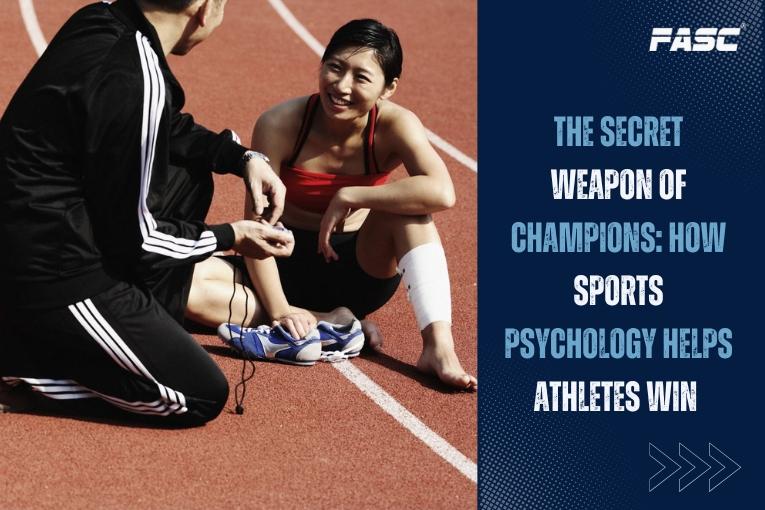
The Secret Weapon of Champions: How Sports Psychology Helps Athletes Win
- Mar 28, 2025
In the world of sports, athletes are constantly seeking ways to gain a competitive edge. While physical training and technical skills are essential, there's another crucial factor that can make all the difference: sports psychology. Also known as sport and exercise psychology, this field of study focuses on the mental and emotional aspects of athletic performance.
Sports psychology is the study of how the mind affects performance in sports. It helps athletes understand their thoughts, feelings, and behaviors so they can improve their game. This blog will explain how sports psychology helps athletes win, stay confident, and handle pressure like champions.
Key Takeaways :
-
Mindset Matters: A strong and positive mindset helps athletes stay confident and perform better under pressure.
-
Handling Stress: Sports psychology teaches athletes how to stay calm and focused, even in the toughest moments.
-
Building Habits: Mental training improves consistency, motivation, and the ability to bounce back from failure.
The Power of the Mind in Sports :
Sports psychology is based on the idea that an athlete's mind plays a critical role in their performance. By understanding how thoughts, feelings, and behaviors impact athletic success, sports psychologists can help athletes develop the mental toughness and resilience needed to excel in their sport.
Key Principles of Sports Psychology :
1. Goal Setting: Athletes work with sports psychologists to set specific, achievable goals that enhance motivation and focus.
2. Self-Talk: Positive self-talk and affirmations help athletes develop a confident mindset and overcome self-doubt.
3. Visualization: Athletes learn to mentally rehearse their performances, visualizing success and building confidence.
4. Emotional Regulation: Sports psychologists teach athletes techniques to manage emotions, such as anxiety, anger, or frustration, that can impact performance.
5. Team Dynamics: Sports psychologists work with teams to build cohesion, communication, and trust among teammates.
The Benefits of Sports Psychology :
1. Improved Performance: By developing mental toughness and resilience, athletes can perform at their best, even under pressure.
2. Enhanced Confidence: Sports psychology helps athletes build confidence and self-belief, leading to improved overall performance.
3. Better Teamwork: By understanding team dynamics and communication, athletes can work more effectively with their teammates.
4. Injury Rehabilitation: Sports psychologists help athletes cope with injuries, facilitating a faster and more successful return to competition.
5. Mental Health Support: Sports psychologists provide athletes with tools to manage stress, anxiety, and other mental health concerns.
Real-World Examples of Sports Psychology in Action
1. Michael Jordan's Mental Toughness: The basketball legend worked with a sports psychologist to develop his famous "flu game" mentality, which helped him perform under intense pressure.
2. The New Zealand All Blacks' Team Culture: The rugby team's emphasis on teamwork, discipline, and mental toughness has contributed to their consistent success on the field.
3. Simone Biles' Mental Health Advocacy: The gymnast has spoken openly about her struggles with anxiety and depression, highlighting the importance of mental health support in sports.
Conclusion
Sports psychology is not just for professional athletes. Anyone who plays sports can use these mental tricks to improve their game, stay confident, and enjoy playing. Just like training the body, training the mind is a powerful way to become a champion. Whether you are a beginner or a pro, mastering your thoughts and emotions will make you stronger, faster, and better at your sport.
FAQs
1. Can sports psychology help non-athletes?
Yes! Sports psychology techniques like goal-setting, stress management, and focus improvement can help in daily life too.
2. How long does it take to see results with sports psychology?
It depends on the person, but with regular practice, many athletes notice improvements in their confidence and focus within weeks.
3. Do all athletes use sports psychology?
Many top athletes use mental training, but it is not mandatory. However, those who do often perform better under pressure.
4. Is sports psychology only for professionals?
No! Even young athletes or hobby players can benefit from learning mental skills to improve their performance and enjoy sports more.
5. Can sports psychology help with injuries?
Yes! It helps athletes stay positive, motivated, and mentally strong during recovery, making it easier to return to their sport after an injury.

.png)
.png)
.png)