- Fitness
Top 10 Plant Based Proteins: Clean & High-Quality Options
- Dec 05, 2025
- 5 min
Key Takeaways
- Plant based protein comes from natural plant foods and is easy to digest.
- It supports muscle growth, recovery, and overall daily nutrition.
- Plant protein powder is a convenient way to increase protein intake.
- It is ideal for vegans, vegetarians, and people with lactose intolerance.
- You can use plant based protein in shakes, meals, baking, and daily snacks.
Plant based protein has become a popular choice among fitness lovers, athletes, and people looking for cleaner nutrition. Unlike animal protein, plant based protein comes from natural sources like legumes, nuts, seeds, whole grains, and vegetables. It is easy to digest, rich in nutrients, and suitable for almost every diet.
What Is Plant Based Protein?
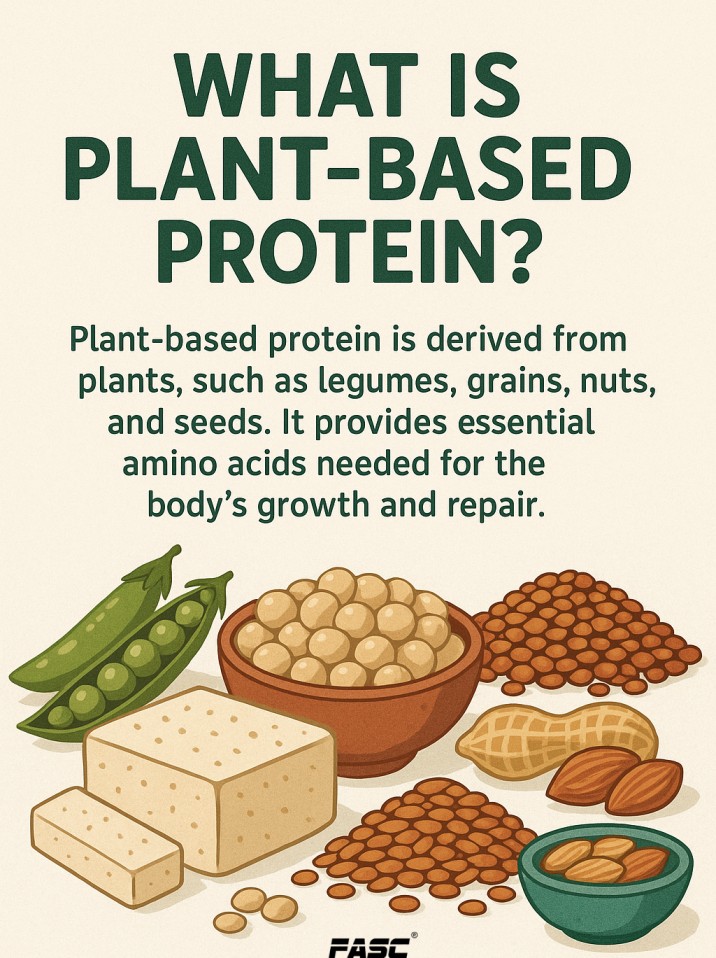
Plant based protein refers to protein that comes from plants instead of animal sources. Foods like lentils, beans, quinoa, tofu, chia seeds, almonds, and peas are naturally rich in protein. Many people also choose plant protein powder, planta protein powder, and organic plant based protein powder to increase their daily intake easily.
Compared to whey, plant based protein is gentle on the stomach and ideal for people who are lactose intolerant or prefer vegan options. Today, the market is full of choices from pea protein to soy, hemp, and brown rice blends.
Why to Consider Using Plant Based Protein
Choosing plant based protein is a great option if you want clean, natural, and easy-to-digest nutrition. It supports muscle recovery, boosts daily energy, and fits perfectly into vegan, vegetarian, or lactose-free diets. Plant protein is also packed with fibre, vitamins, and minerals that contribute to overall health and long-term wellness.
Key Reasons to Consider Plant Based Protein
- It’s gentle on the stomach and easier to digest than many animal-based proteins.
- Supports muscle growth and recovery naturally.
- Suitable for vegans, vegetarians, and people with lactose intolerance.
- Provides sustained, clean energy throughout the day.
- Promotes heart health and better weight management.
- Lower in saturated fats and calories than most animal proteins.
- Can be added easily to shakes, meals, snacks, and daily recipes.
Best Plant Based Protein
Choosing the best plant based protein depends on your fitness goals, digestion, and daily nutrition needs.

Here are some top plant-based protein sources that offer great taste, high quality, and strong nutritional benefits.
1. Pea Protein
Pea protein is one of the most popular best plant based protein sources because it’s rich in essential amino acids. It supports muscle repair, improves strength, and is very easy to digest. Great choice for people with allergies to soy or dairy.
2. Soy Protein
Soy protein is a complete protein containing all essential amino acids. It’s widely used by athletes for muscle building and recovery. Its fast absorption makes it great for post-workout nutrition.
3. Hemp Protein
Hemp protein is packed with omega-3 and omega-6 fatty acids along with fibre. It helps with digestion, boosts immunity, and provides long-lasting energy. Ideal for those who want a naturally nutritious protein option.

4. Quinoa Protein
Quinoa is one of the few plant foods that contain all nine essential amino acids. It supports muscle health, improves digestion, and provides sustained energy. A great whole-food protein option for daily meals.
5. Brown Rice Protein
Brown rice protein is hypoallergenic and easy to digest, making it suitable for sensitive stomachs. It helps in muscle repair and daily nutrition, especially when mixed with other plant proteins. It’s a clean and mild-tasting option.
6. Mixed Plant Protein Blends
These blends combine pea, rice, hemp, and other plant proteins for a complete amino acid profile. They offer balanced nutrition, better absorption, and improved muscle recovery. Perfect for people who want maximum benefits in one scoop.
7. Chia Seed Protein
Chia seeds contain protein, fibre, and healthy fats that support energy levels. Their slow-digesting nature keeps you full for longer and stabilizes blood sugar. Great for smoothies, oatmeal, and weight management.

8. Almond Protein
Almond-based protein powders are rich in vitamin E, healthy fats, and antioxidants. They help build lean muscle while supporting heart health. The mild, nutty taste works well in shakes and desserts.
9. Pumpkin Seed Protein
Pumpkin seeds offer high protein along with magnesium, iron, and zinc. They support immunity, muscle recovery, and digestive health. Best for people who want a wholesome, nutrient-rich protein option.
10. Organic Plant Based Protein Powder
Made from clean, chemical-free plant sources, organic blends ensure pure and natural nutrition. They reduce exposure to additives and suit people following a clean-eating lifestyle. Ideal for daily shakes and pre/post-workout use.
Recommended Shaker Bottle
A durable, easy-to-carry shaker bottle perfect for mixing plant based protein on the go. It provides a smooth, lump-free blend and is great for athletes, gym-goers, and everyday users.
Conclusion
Plant based protein is a simple, healthy, and effective way to support your fitness and daily nutrition. From shakes to meals, adding more plant based protein to your diet is one of the easiest steps toward better health, improved digestion, and stronger muscles.
FAQs
1. Is plant based protein good for muscle gain?
Yes, plant based protein helps build and repair muscles when combined with regular training.
2. Which is the best plant based protein powder?
Pea, soy, and mixed blends are considered among the best plant based protein powder options.
3. Can plant protein powder replace meals?
It can supplement meals but should not completely replace whole foods.
4. Is plant based protein easier to digest than whey?
For many people, yes plant based protein is gentler on the stomach and free from lactose.
5. Is organic plant based protein powder better?
Many prefer organic plant based protein powder because it avoids artificial additives and uses cleaner ingredients.
.png)
.png)
.png)