- Gym
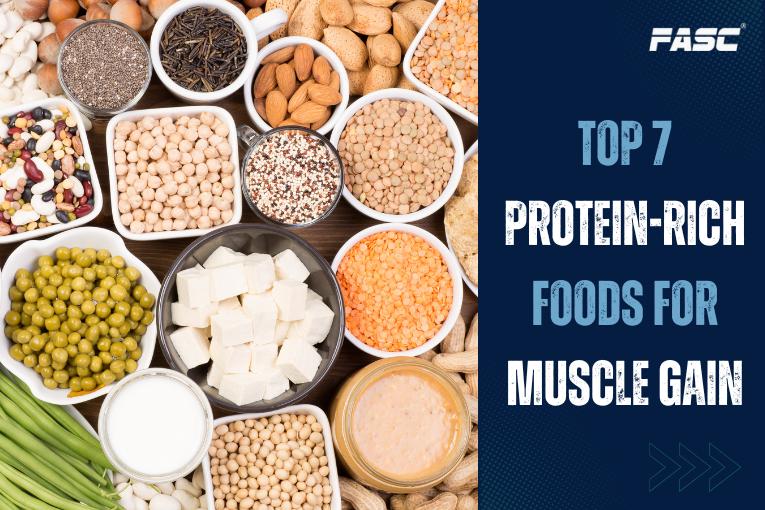
Top 7 Protein-Rich Foods for Muscle Gain
- Jul 08, 2025
- 5 min
Key Takeaways
- Protein helps build and repair muscles.
- Use both animal and plant protein sources.
- Eat protein throughout the day.
- Focus on post-workout and bedtime protein.
- Choose whole foods first; add supplements if needed.
Building muscle isn’t just about lifting weights — it’s also about eating right. Protein plays a vital role in muscle repair, recovery, and growth, making it a key nutrient in any muscle gain diet. Whether you're bulking up, toning your physique, or simply trying to stay fit, including high protein food in your meals is essential.
In this guide, we’ll explore the best protein food for muscle gain, meal ideas, timing tips, and more — whether you’re a meat-eater, vegetarian, or vegan.
Protein Requirement For Building Muscle

To build muscle effectively, your body requires a sufficient amount of protein to repair and rebuild muscle fibers that break down during exercise. Protein plays a key role in muscle recovery, strength development, and overall performance.
Without meeting your daily protein needs, your body may struggle to recover properly, which can limit muscle growth and lead to fatigue or even muscle loss over time.
How Much Protein Do You Need?
Protein needs vary based on age, gender, body weight, and activity level. Here's a general breakdown for individuals aiming to build muscle:
-
Men (18–50 years):
- Light to moderate activity: 1.2 – 1.6 g/kg of body weight
- Intense strength training: 1.6 – 2.2 g/kg
-
Women (18–50 years):
- Light to moderate activity: 1.0 – 1.4 g/kg
- Intense training: 1.4 – 2.0 g/kg
-
Older adults (50+ years):
- Muscle loss is more common with age, so protein needs increase.
- Men: 1.5 – 2.0 g/kg
- Women: 1.2 – 1.8 g/kg
Pro Tip:
Spread your protein intake across 3–5 meals a day to support continuous muscle protein synthesis and prevent muscle breakdown, especially during long gaps between meals or overnight.
Protein-Rich Foods for Muscle Gain
Building muscle requires a consistent intake of high-quality protein to repair and grow muscle fibers. To maximize muscle growth, it's essential to combine proper nutrition with effective training. If you're looking for effective routines, check out these top full body workouts for muscle gain.
1. Lentils
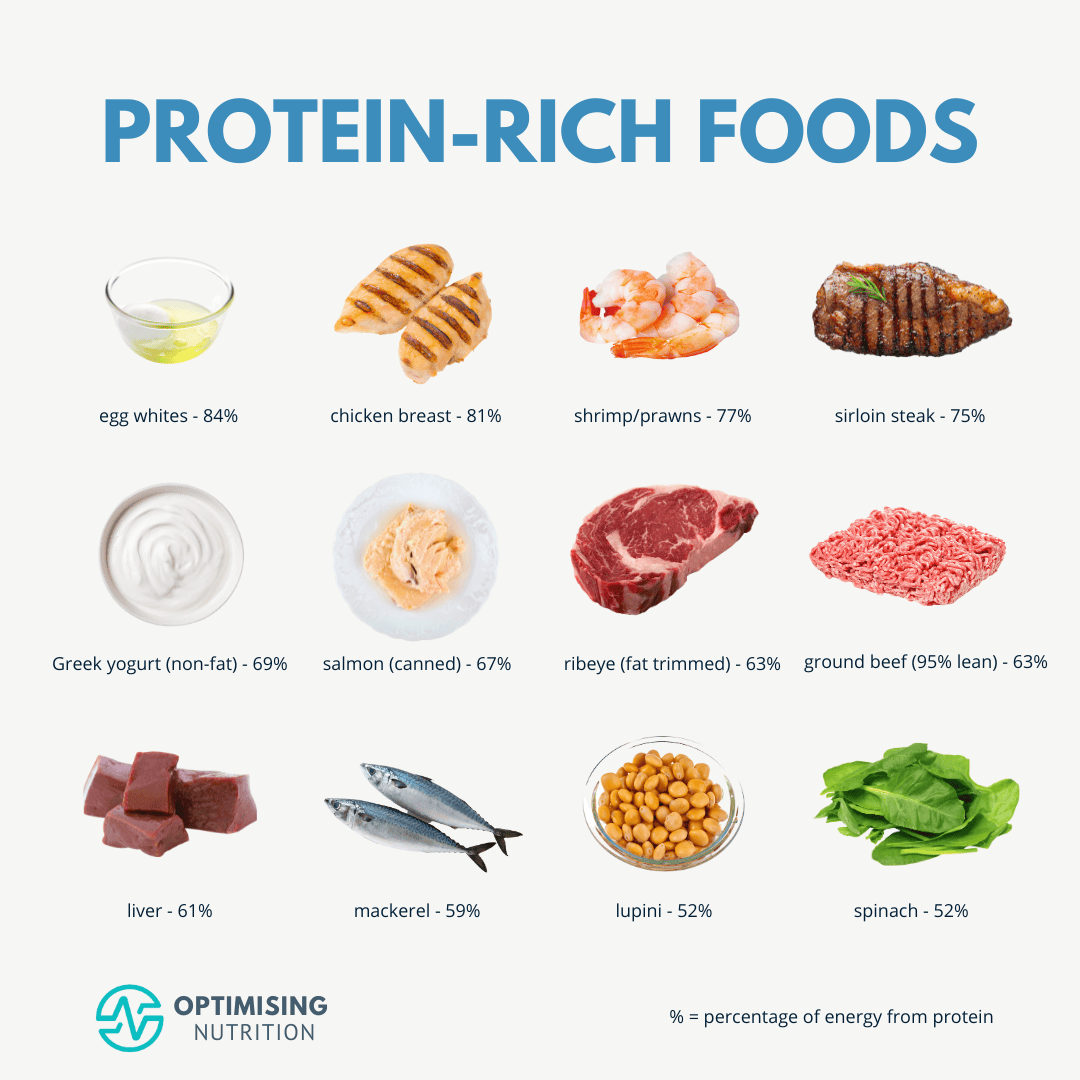
Lentils are a powerhouse of plant-based protein, offering about 18g per cooked cup. They're rich in fiber, iron, and complex carbs, making them ideal for sustained energy and muscle recovery. Add them to soups, salads, or curries.
2. Tofu
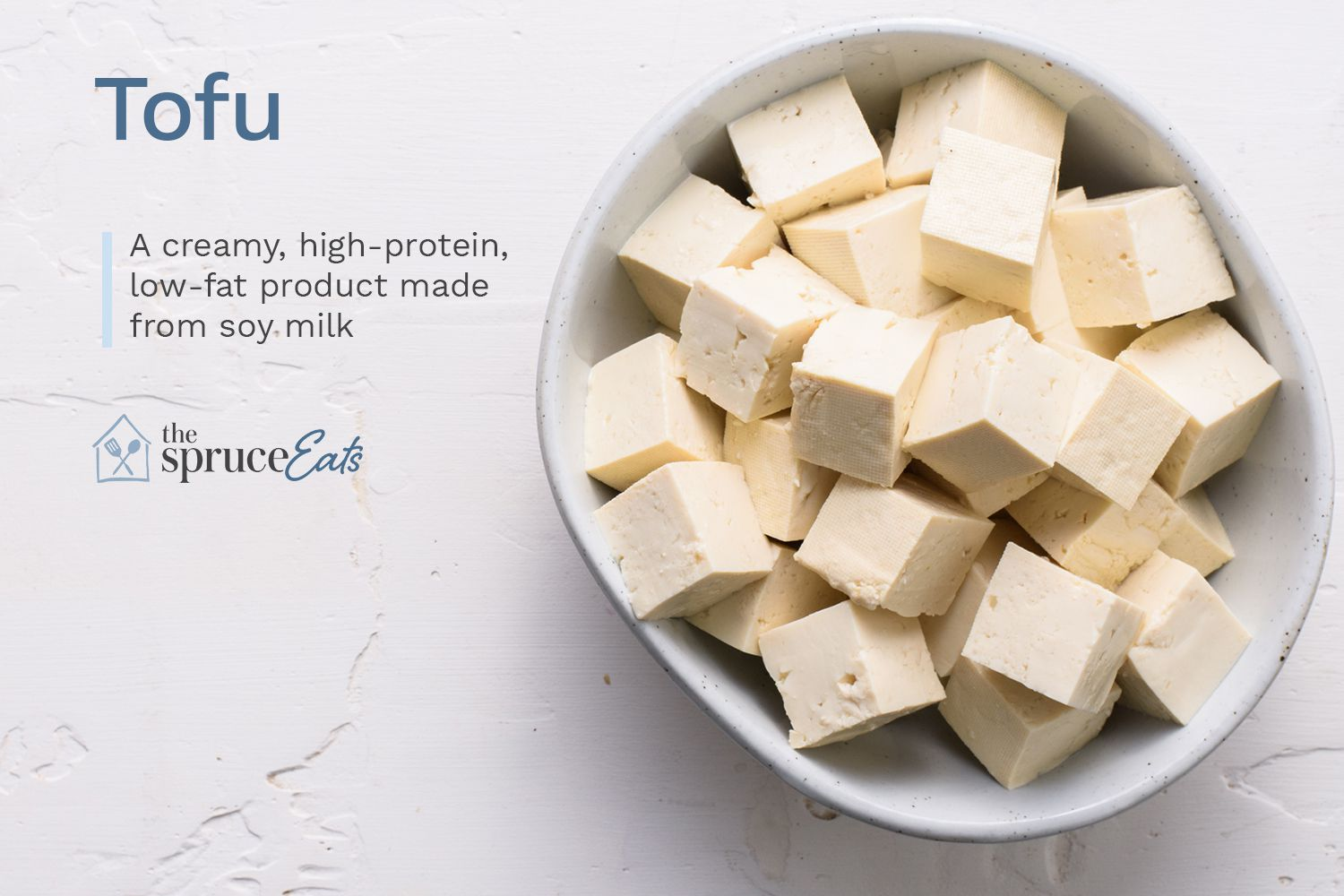
Tofu contains about 10g of protein per 100g and is a complete protein source. It easily absorbs flavors, making it perfect for stir-fries, scrambles, and grilled dishes. Also a great source of calcium and iron.
3.Cottage Cheese (Paneer)
Paneer provides about 14g of protein per 100g and is a staple in vegetarian diets. It's rich in casein, helping with muscle repair overnight. Include it in curries, salads, or grilled dishes.
4. Hemp Seeds
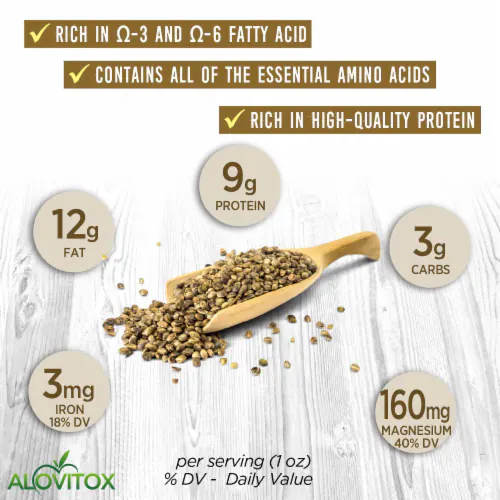
Hemp seeds contain 10g of protein in just 3 tablespoons. They’re rich in omega-3s and all nine essential amino acids. Sprinkle them on oatmeal, smoothies, or salads for a plant-based protein boost.
5. Almonds
Almonds offer about 6g of protein per 28g (a handful). They’re also rich in healthy fats, vitamin E, and magnesium. Ideal as a quick snack or added to oatmeal and protein shakes.
6. Peanut Butter
With about 8g of protein per 2 tablespoons, peanut butter is a delicious and accessible protein source. It’s energy-dense, making it perfect for post-workout recovery. Spread it on toast or blend into smoothies.
7. Oats
Oats offer about 5g of protein per ½ cup dry. They’re also rich in fiber and complex carbs, providing long-lasting energy. Make overnight oats or protein-packed porridge with nut butter or seeds.
Source

Low Calorie High Protein Snacks
- Roasted chickpeas
- Protein bars (check sugar content)
- Boiled eggs
- Greek yogurt with seeds
- Peanut butter on whole-grain toast
These are also great healthy high protein snacks to support muscle recovery between meals.
Tips to Increase Protein Intake Naturally
Boost your protein intake by adding eggs, nuts, or Greek yogurt to meals and snacks. Choose high-protein grains like quinoa, and include a source of protein with every meal to support muscle growth.
- Add seeds or nuts to salads, smoothies, and oatmeal
- Use hummus or nut butter as spreads or dips
- Swap white rice for quinoa or lentils
- Keep boiled eggs or roasted chickpeas handy for snacks
- Mix whey or plant protein powder into pancakes, porridge, or shakes
While a high-protein diet is essential, it works best when combined with effective workouts. If you're new to exercise, check out this Beginner’s Guide to Strength Training at Home for easy routines to get started with bodyweight training and build strength at home.
Pro Tip:
Along with a high-protein diet, strength training is essential for muscle growth. Using basic home workout tools like push-up bars can help build upper body strength effectively. Check out the Push-Up Bar — a perfect addition to your home gym to support your muscle-building journey.
Conclusion
To maximize your fitness gains, your workouts must be backed by the right nutrition. By including a variety of high protein foods, timing your intake, and personalizing your muscle gain diet, you’ll support your body’s growth and recovery efficiently. Whether you’re vegetarian, vegan, or eat everything — there are plenty of delicious and effective ways to hit your protein goals.
FAQs
1. What is the best protein food for muscle gain?
Chicken breast, eggs, Greek yogurt, lentils, tofu, and salmon are among the best options.
2. Can I build muscle on a vegetarian diet?
Yes! Include high protein food vegetarian options like paneer, lentils, tofu, and quinoa in your diet.
3. What are some low calorie high protein snacks?
Roasted chickpeas, boiled eggs, cottage cheese, and Greek yogurt are great options.
4. Do I need protein supplements to gain muscle?
Not necessarily. Supplements help when you struggle to meet protein needs but aren’t mandatory if you eat enough protein-rich food.
5. How much protein do I need daily?
It depends on your activity level — most people aiming for muscle gain need 1.6–2.2g per kg of body weight per day.
.png)
.png)
.png)