- Fitness
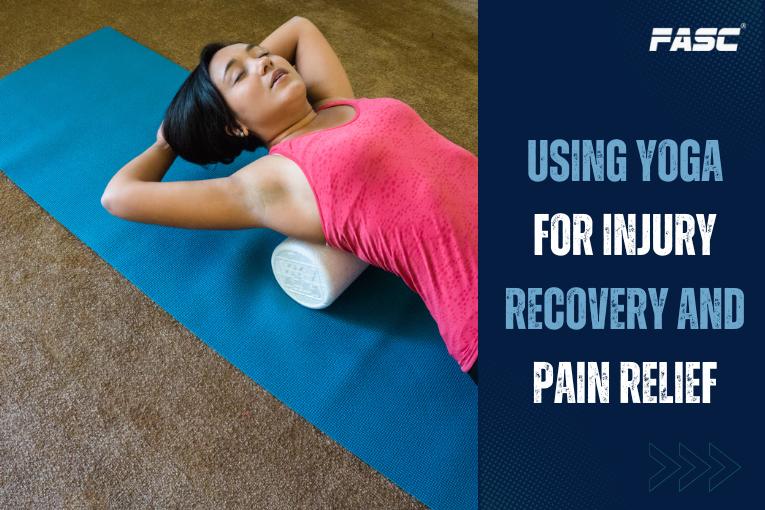
Using Yoga for Injury Recovery and Pain Relief
- Sep 05, 2025
- 4 min
Key Takeaways
- Yoga is a natural method for pain relief and recovery.
- Specific practices target issues like back, neck and menstrual pain.
- Regular practice improves flexibility, strength and relaxation.
- Beginners can start with simple and supported poses.
- Consistency is more important than long sessions.
Living with pain or recovering from an injury can feel frustrating, but yoga offers a gentle, holistic way to heal. From reducing stiffness to calming the mind, practicing yoga can ease discomfort and rebuild strength over time. Whether it’s yoga for pain relief in general or specific issues like back, neck, or menstrual pain, mindful movement and breathing can make a big difference. With regular practice, you’ll notice better flexibility, improved strength, and more control over your body’s healing process.

Why Yoga Works for Pain Relief
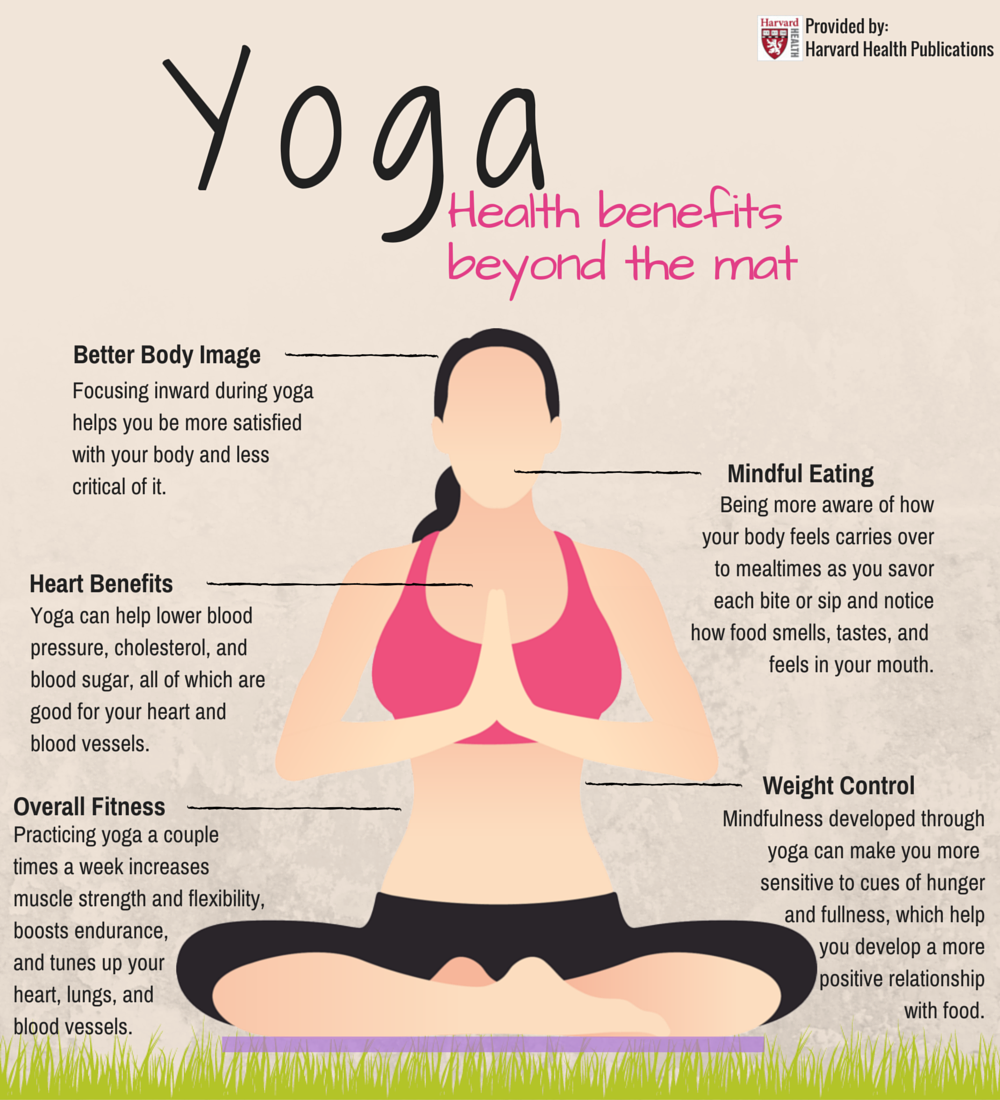
Yoga is a gentle way to support the body’s natural healing process. It not only eases pain but also restores strength, mobility, and calmness.
1. Restores Mobility
Yoga helps loosen tight muscles and joints after an injury. Gentle stretches improve your range of motion and reduce stiffness caused by inactivity. Over time, you’ll regain natural ease in movement.
2. Strengthens the Body
Supporting muscles get stronger, preventing future injuries. For example, strong core and leg muscles help protect your back and knees, making recovery smoother. This builds resilience in your daily movements.
3. Improves Circulation
Better blood flow helps speed up healing. Oxygen-rich blood nourishes muscles and tissues, allowing them to repair faster. It also reduces inflammation in sore areas.
4. Mind-Body Awareness
Breathing and mindfulness reduce stress and shift focus away from pain. When you’re more aware of your body, you learn to move safely without overstraining. This also helps manage chronic pain better.
5. Supports Relaxation
Deep breathing activates the body’s natural healing response. It calms the nervous system, lowers stress hormones, and creates an environment where the body can repair itself efficiently.
Types of Yoga for Pain Relief
Different types of yoga can target different areas of pain, depending on your needs. The beauty of yoga is that you can choose what works for you, whether it’s gentle stretches, restorative poses, or focused breathwork. Below are some popular practices you can try:
-
Yoga for Back Pain Relief
Poses like Cat-Cow, Child’s Pose, and Bridge Pose ease stiffness in the spine. These postures improve flexibility and relieve tension built up from sitting long hours. Practicing daily can prevent future back issues too.
-
Neck Pain Relief Yoga
Gentle stretches like seated neck rolls and supported fish pose relax tight neck and shoulder muscles. They release tension from stress and poor posture. This is especially helpful if you spend long hours on a laptop or phone.
-
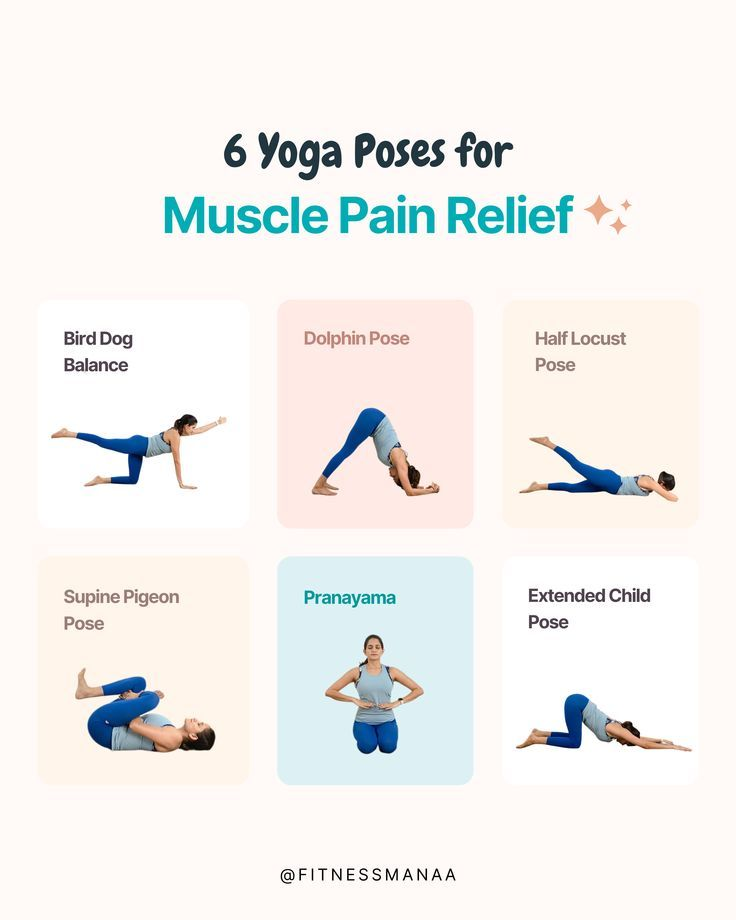
Muscle Pain Relief Yoga
Yin yoga and restorative poses release deep tension and help muscles recover after workouts. Slow, long-held stretches target connective tissues and improve flexibility. Athletes often use these to speed up recovery.
-
Yoga for Knee Pain Relief Beginner-Friendly
Chair yoga and supported lunges help strengthen leg muscles without straining the knees. These beginner-friendly moves are perfect for people recovering from knee injuries. Over time, they also improve balance and stability.
-
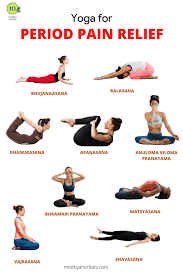
Menstrual Pain Relief Yoga
Poses such as Reclined Bound Angle and Supine Twist reduce cramps and discomfort. They calm the nervous system while improving blood flow to the pelvic area. Many women find these practices more effective than medication alone.
-
Period Cramp Relief Yoga
Forward bends and supported child’s pose can calm the nervous system and ease lower abdominal pain. These poses also help release emotional stress that often comes with PMS. Just 10–15 minutes can make a big difference.
Tips for Practicing Yoga Safely
- Start slow and stay consistent. Even 10 minutes daily can bring results if you practice mindfully.
- Use props like cushions or bolsters for comfort. These help avoid strain and make difficult poses easier.
- Avoid pushing into sharp pain. Yoga should feel relieving, not uncomfortable or risky.
Conclusion
Yoga is not just exercise, it’s a healing tool. Whether you’re looking for yoga for knee pain relief beginner routines, gentle yoga for back pain relief, or calming menstrual pain relief yoga, there’s a practice for every need. With patience and mindful movement, yoga can guide you toward recovery, resilience, and lasting comfort. Over time, it not only reduces pain but also builds long-term strength and balance. By listening to your body and practicing consistently, you can make yoga a lifelong ally in your healing journey.
FAQ’S
1. Can yoga relieve pain?
Yes, yoga reduces stiffness and improves strength, helping with pain relief.
2. Which yoga is best for back pain?
Child’s Pose, Cat-Cow, and Bridge Pose are great for back pain.
3. Is yoga safe for beginners with injuries?
Yes, if done gently with modifications and props.
4. Does yoga help with period cramps?
Yes, menstrual pain relief yoga eases cramps and relaxes the body.
5. How often should I practice for results?
10–15 minutes daily is enough for noticeable relief.

.png)
.png)
.png)