- Sports
What Makes A Great Captain Lessons From The Leaders Who Changed Sports

- Jul 14, 2026
- 5 min
Key Takeaways
- Great captains bring out the best in every teammate.
- True leadership shines during challenges and setbacks.
- Strong communication and emotional intelligence define successful captains.
- Leading by example builds trust, discipline, and team culture.
- Great captains make confident decisions and own their responsibilities.
- Leadership skills learned in sports create success beyond the game.
Every team has talented players. Some have superstars. A few have generational athletes capable of changing games on their own. But the teams that leave a lasting legacy often have something else.
A great captain.
The armband, the toss, or the title itself does not make someone a leader. In sport, captaincy carries a responsibility that extends far beyond tactics and team selection. A captain becomes the bridge between coaches and players, the voice of calm during chaos, and often the person who carries the emotional weight of an entire team.
History remembers great players. Sport remembers great captains differently. Because while players win matches, captains often shape eras.

Great Captains Make Others Better
One of the biggest misconceptions about leadership in sports is that the captain must always be the best player on the team.
In reality, the greatest captains are often those who make everyone around them better.
They understand personalities, recognise strengths, and know how to bring out confidence in teammates during difficult moments. They celebrate contributions that may never appear on scorecards and ensure every player feels valued within the team.
A great captain creates an environment where individuals perform not because they are afraid to fail, but because they believe they belong. That belief can change teams.
Leadership Is Most Visible During Difficult Moments
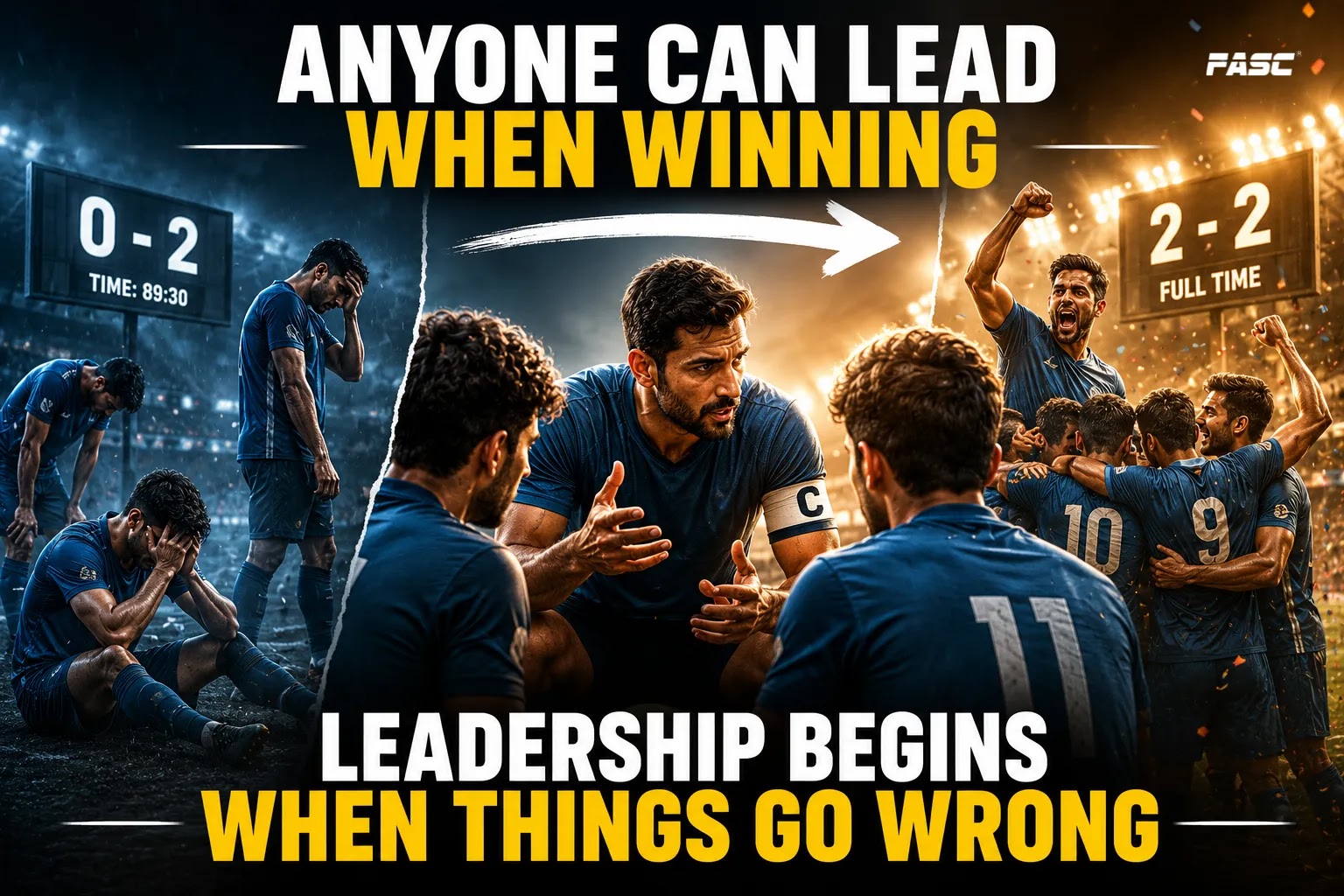
Winning rarely tests leadership. Losing does. Anyone can lead when the team is lifting trophies and momentum is on their side. The true character of a captain often emerges when things begin to go wrong.
A missed penalty.
A batting collapse.
An injury to a star player.
A difficult run of results.
Great captains have an ability to remain calm when everyone else is reacting emotionally. Their composure becomes contagious. Their confidence becomes reassurance.
Teams often borrow belief from their leaders long before they find it within themselves.
Communication Is A Captain's Most Powerful Skill
Leadership in sport is rarely about speeches. More often, it is about conversations.
The best captains know when to motivate, when to challenge, and when to simply listen. Some players need encouragement. Others respond to responsibility. Some need technical guidance. Others need emotional support.
Understanding people is often more important than understanding tactics.
This ability to connect with individuals while maintaining a collective team identity is one of the defining traits of exceptional leaders.
Great Captains Lead By Example
Perhaps the most powerful form of leadership is behaviour. Teams pay close attention to what leaders do, especially under pressure.
How does the captain react after a mistake?
How do they train when cameras are absent?
How do they treat teammates, officials, and support staff?
Leadership habits spread quickly through teams. Effort becomes contagious. Discipline becomes contagious. Professionalism becomes contagious.
The best captains rarely ask teammates to do something they would not do themselves.
Decision Making Under Pressure Defines Leadership
Sport often forces leaders to make decisions in seconds.
A field placement.
A substitution.
A tactical change.
A penalty taker.
A timeout.
The pressure attached to these decisions can be enormous because outcomes become visible almost immediately.
Great captains accept that difficult decisions are part of leadership. They understand that avoiding responsibility is often more damaging than making the wrong choice.
Leadership is not about always being right. It is about being willing to decide when others hesitate.
The Greatest Captains Build Culture
Long after trophies are forgotten, culture remains. The greatest leaders leave behind standards, values, and habits that continue influencing teams years after they retire.
Some captains create cultures built on discipline. Others create cultures based on freedom and creativity. Some build resilience. Others encourage innovation.
There is no single leadership style that guarantees success. What matters is consistency.
Great captains create environments where everyone understands what the team stands for and what is expected of them.

Different Captains Lead Differently
One of the most fascinating aspects of leadership in sport is that successful captains often look completely different from one another. Some leaders are vocal and emotional. Others are quiet and composed. Some inspire through speeches. Others inspire through actions.
From the calm decision-making often associated with MS Dhoni to the emotional intensity shown by leaders such as Lionel Messi, sport has repeatedly demonstrated that there is no single formula for leadership.
Authenticity matters more than imitation. The best captains lead in ways that feel natural to them.
Why Captaincy Matters Beyond Sport
The lessons taught by great captains extend far beyond stadiums and playing fields. Businesses need leaders who can make decisions under pressure.
Communities need leaders who can bring people together. Families need leaders who create stability during uncertainty.
The qualities that define exceptional captains, communication, accountability, resilience, empathy, and trust are the same qualities that define exceptional leadership everywhere.
Perhaps this is why sporting leaders often inspire people who have never played the game themselves.
Leadership is universal. Sport simply puts it on display.
Conclusion
The greatest captains are remembered for much more than trophies. They are remembered for the confidence they inspired, the standards they created, and the belief they gave others during difficult moments.
Years after careers end, fans may forget statistics and scorecards. They rarely forget leadership.
Because in sport, talent may win games. But leadership often determines how far a team can go. And sometimes, the most important thing a captain lifts is not a trophy.
It is the people around them.
Recommended products from FASC Coach
FAQs
Who is considered a great captain in sports?
Great captains are leaders who inspire teams, make decisions under pressure, and create cultures that help others succeed. Their impact often extends beyond results and trophies.
Does the best player always make the best captain?
Not necessarily. Leadership requires communication, emotional intelligence, and decision-making skills that are different from athletic ability.
What qualities make a successful captain?
Successful captains often demonstrate resilience, accountability, communication, empathy, composure, and the ability to inspire teammates.
Why is leadership important in sports?
Leadership helps teams stay united during difficult moments, maintain standards, and perform consistently under pressure.
Can leadership skills from sports apply to business?
Absolutely. Many leadership qualities seen in great captains such as resilience, teamwork, accountability, and decision-making are equally valuable in business and everyday life.
Share :