- Fitness
Why Cycling Is Making A Comeback In Indian Cities
- Jul 17, 2026
- 6 min
Key Takeways
- Cycling is making a comeback as a smart, healthy, and sustainable lifestyle choice.
- For short city trips, bicycles often beat traffic while saving time and money.
- More Indians are embracing cycling for fitness, wellbeing, and community.
- Improving infrastructure is making Indian cities increasingly cycle-friendly.
- Every bicycle on the road helps reduce congestion, pollution, and fuel use.
For many Indians, the bicycle carries memories. It reminds us of school mornings, rides through neighbourhood streets, and a time when cycles were one of the most common sights on Indian roads.
Then came motorcycles. Cars followed. Owning a motor vehicle became a symbol of progress, while cycling slowly became associated with necessity rather than choice.
For years, Indian cities were designed around engines instead of pedals. But something interesting is happening again.
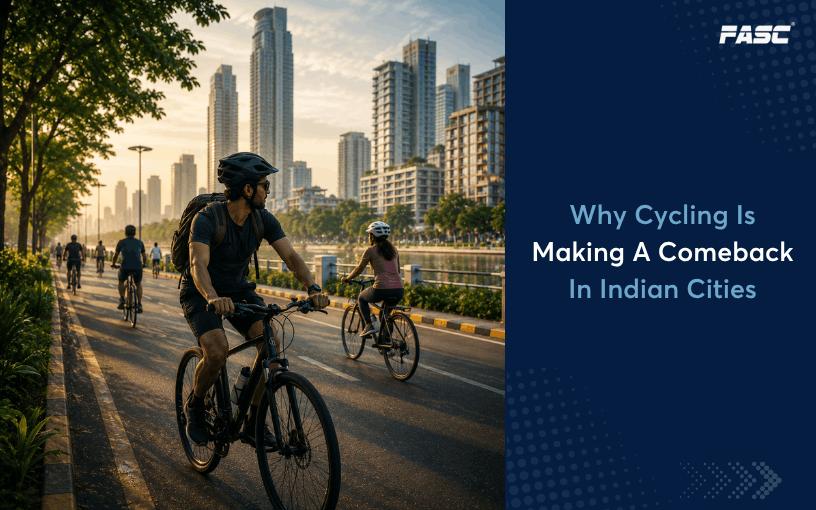
Across Ahmedabad, Bengaluru, Pune, Hyderabad, Chennai, and many other cities, bicycles are quietly returning to the streets.
Morning cycling groups are growing. Weekend rides attract hundreds of participants. Public bicycle-sharing systems are expanding.
Young professionals are choosing bicycles not because they have to, but because they want to. Cycling is making a comeback. And this time, the reasons go far beyond transportation.
The Pandemic Changed How Cities Think About Mobility
The pandemic changed the relationship many people had with movement. Gyms closed. Public transport usage dropped.
People began looking for safer, healthier, and socially distanced ways to stay active. For many, cycling became the answer.
What initially started as a temporary solution quickly became a habit. People rediscovered the joy of moving through their cities at a slower pace.
Families started cycling together. Professionals began using bicycles for short commutes. Communities and cycling clubs emerged across urban India.
The momentum created during those years has continued long after restrictions disappeared. The Government of India's India Cycles4Change initiative was launched to encourage cities to become more bicycle-friendly and support this growing shift toward active mobility.
Traffic Has Made The Bicycle Relevant Again
Indian cities are becoming larger, busier, and more congested. Ironically, many daily trips remain surprisingly short.
Research shows that around 60% of urban trips in India are under 5 kilometres, while nearly 80% are under 10 kilometres distances that are often ideal for cycling.
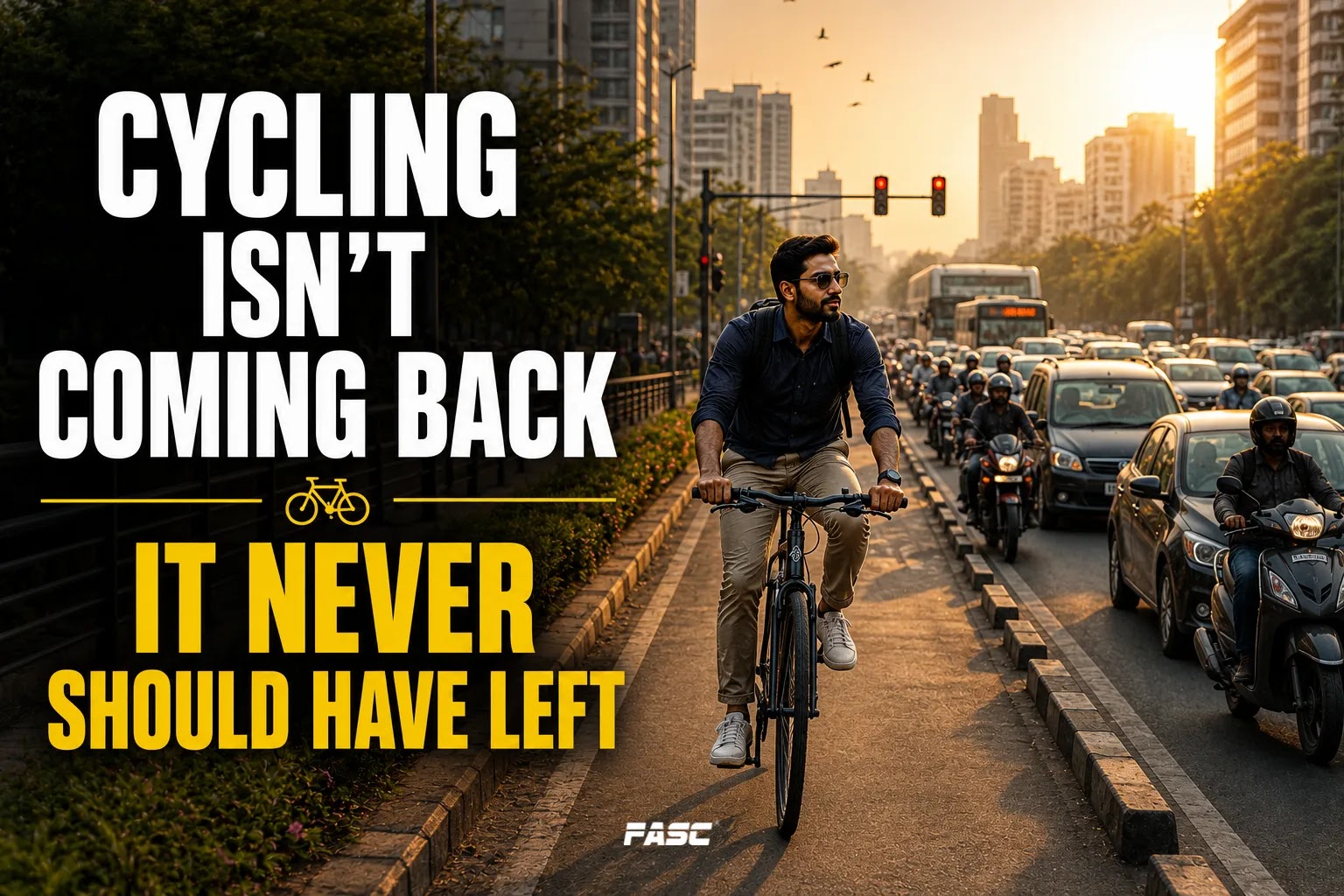
In heavy traffic, a bicycle can often reach destinations faster than a car or motorcycle. It requires no fuel. No parking search. No waiting in queues.
For short urban journeys, the bicycle is once again becoming one of the most efficient modes of transport available.
Cycling Is Becoming Part Of Urban Fitness Culture
The return of cycling is not being driven only by commuters. Fitness has become one of the biggest reasons behind cycling's resurgence.
Early mornings in cities like Ahmedabad, Bengaluru, Mumbai, and Pune increasingly feature cyclists wearing helmets, tracking rides on fitness apps, and riding in organised groups.
Cycling offers something that few forms of exercise can match. It combines fitness, mental wellbeing, community, and exploration. Unlike gyms, it takes people outdoors.
Unlike many sports, it can be enjoyed across age groups. And unlike running, it places relatively low impact on joints while still providing significant cardiovascular benefits.
For many urban professionals, cycling has become more than exercise. It has become a lifestyle.
Indian Cities Are Slowly Becoming More Cycle-Friendly
Infrastructure remains one of the biggest challenges for cycling in India. But progress is happening.
Cities such as Pune, Pimpri-Chinchwad, and Nagpur have invested in dedicated cycling infrastructure over the past decade. Pune alone has developed more than 90 kilometres of cycle tracks, while other cities continue expanding their networks.
Public bicycle sharing systems have also started appearing in several Indian cities.
These systems make cycling accessible even for people who do not own bicycles, helping integrate cycling into daily mobility patterns. Cities such as Mysuru, Pune, and Bhopal have emerged as early leaders in public bicycle sharing initiatives.
The journey is far from complete, but the direction is encouraging.
Cycling Is Good For Cities, Not Just Cyclists
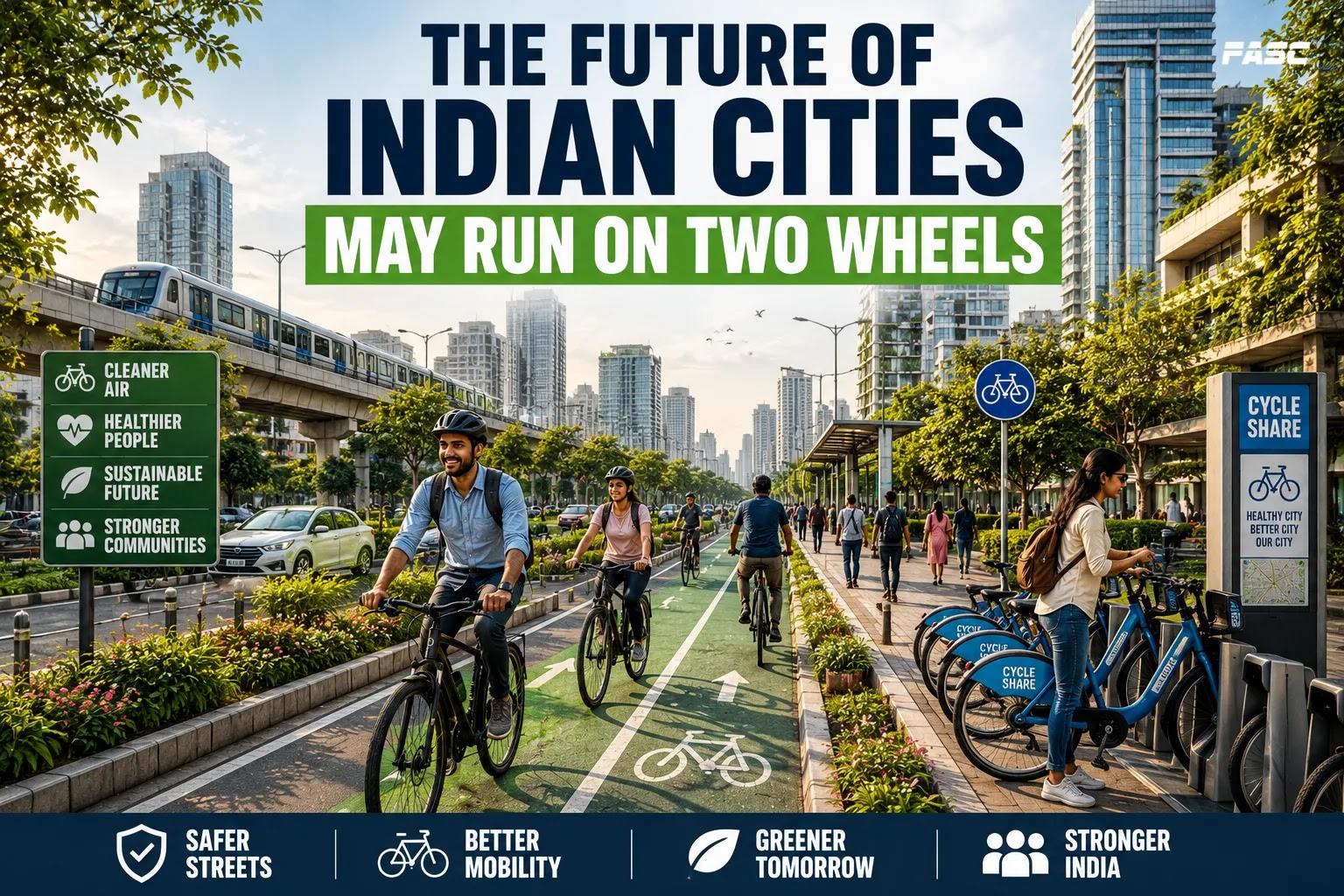
The benefits of cycling extend far beyond individual health. Every bicycle on the road means one less vehicle contributing to congestion.
It means lower emissions. Less noise pollution. Reduced fuel consumption. Healthier communities.
Studies suggest that walking and cycling together have the potential to reduce transport-related carbon emissions significantly over the coming decade.
In a country facing increasing concerns around pollution and urban congestion, cycling offers a simple solution to multiple challenges at once.
Few urban investments deliver benefits across health, environment, and transport as effectively as cycling infrastructure.

Smaller Cities May Lead The Revolution
Interestingly, the future of cycling in India may not begin in its biggest metropolitan areas.
Smaller cities often have shorter travel distances, lower traffic volumes, and urban layouts better suited to cycling. Historically, bicycles have always played an important role in mobility across Tier-2 and Tier-3 cities.
The opportunity now is not to introduce cycling. It is to preserve and modernise a habit that already exists. In many ways, smaller cities may become India's biggest cycling success stories.
Learning From The World's Cycling Cities
Cities such as Amsterdam, Copenhagen, and Utrecht did not become cycling capitals overnight.
They became successful because they treated bicycles as legitimate transport rather than recreational equipment.
Protected lanes. Integrated planning. Safe intersections. Public bike-sharing systems. Political commitment. These investments transformed cycling from a niche activity into mainstream mobility.
Indian cities may not replicate these models exactly, but they can certainly learn from them. Global rankings consistently show that cities investing in cycling infrastructure enjoy healthier populations and more sustainable urban mobility systems.
The Bicycle Is Becoming Aspirational Again
Perhaps the most surprising change is cultural. For decades, bicycles were often seen as symbols of affordability.
Today, they increasingly represent wellness, sustainability, and conscious living. Premium bicycles, cycling apparel, endurance events, and cycling tourism are growing rapidly.
Young professionals proudly share weekend rides on social media. Corporate cycling communities are emerging. Cities organise cyclothons and awareness events.
The bicycle is returning not as a compromise. But as a choice.
Conclusion
The comeback of cycling in Indian cities is about much more than transportation.
It reflects changing lifestyles, growing environmental awareness, and a new understanding of what makes cities liveable. For decades, Indian cities moved away from bicycles in pursuit of speed and convenience.
Today, many are rediscovering that sometimes the smartest solutions are the simplest ones. The future of Indian mobility may include electric vehicles, metros, and smart infrastructure.
But it may also include something much older. A pair of pedals. And a city designed to use them.
Recommended products from FASC Coach
FAQs
1. Why is cycling becoming popular again in Indian cities?
Cycling is making a comeback due to increasing traffic congestion, rising fuel costs, growing health awareness, and a stronger focus on sustainable urban mobility. Many people are also adopting cycling as part of their fitness and lifestyle routines.
2. Which Indian cities are leading the cycling movement?
Cities such as Ahmedabad, Pune, Bengaluru, Hyderabad, Chennai, and Mysuru have seen significant growth in cycling communities, cycling events, and bicycle-friendly initiatives over recent years.
3. Is cycling good for daily commuting in India?
For short urban trips, especially those under 5-10 kilometres, cycling can often be faster, more economical, and environmentally friendly compared to cars or motorcycles, particularly in congested cities.
4. What are the health benefits of cycling?
Cycling improves cardiovascular health, strengthens muscles, increases endurance, supports weight management, and promotes mental wellbeing while being relatively gentle on joints compared to many other forms of exercise.
5. How does cycling benefit cities?
Cycling helps reduce traffic congestion, lowers carbon emissions, decreases noise pollution, improves public health, and reduces dependence on fossil fuels, making cities more sustainable and livable.
Share :