- Sports
WPL: The League That Changed Indian Women’s Cricket
- Jan 23, 2026
- 4 min
The Women’s Premier League (WPL) has firmly established itself as a game-changer for Indian women’s cricket. Now entering its fourth season in 2026, the league arrives amid massive excitement following India’s historic Women’s World Cup victory. Scheduled from January 9 to February 5 in Navi Mumbai and Vadodara, the WPL is witnessing record interest, packed stadiums, and unprecedented attention for women cricketers across the country.
What was once a marginalised sport has now become one of India’s fastest-growing sporting properties.
The Early Struggles of Women’s Cricket in India
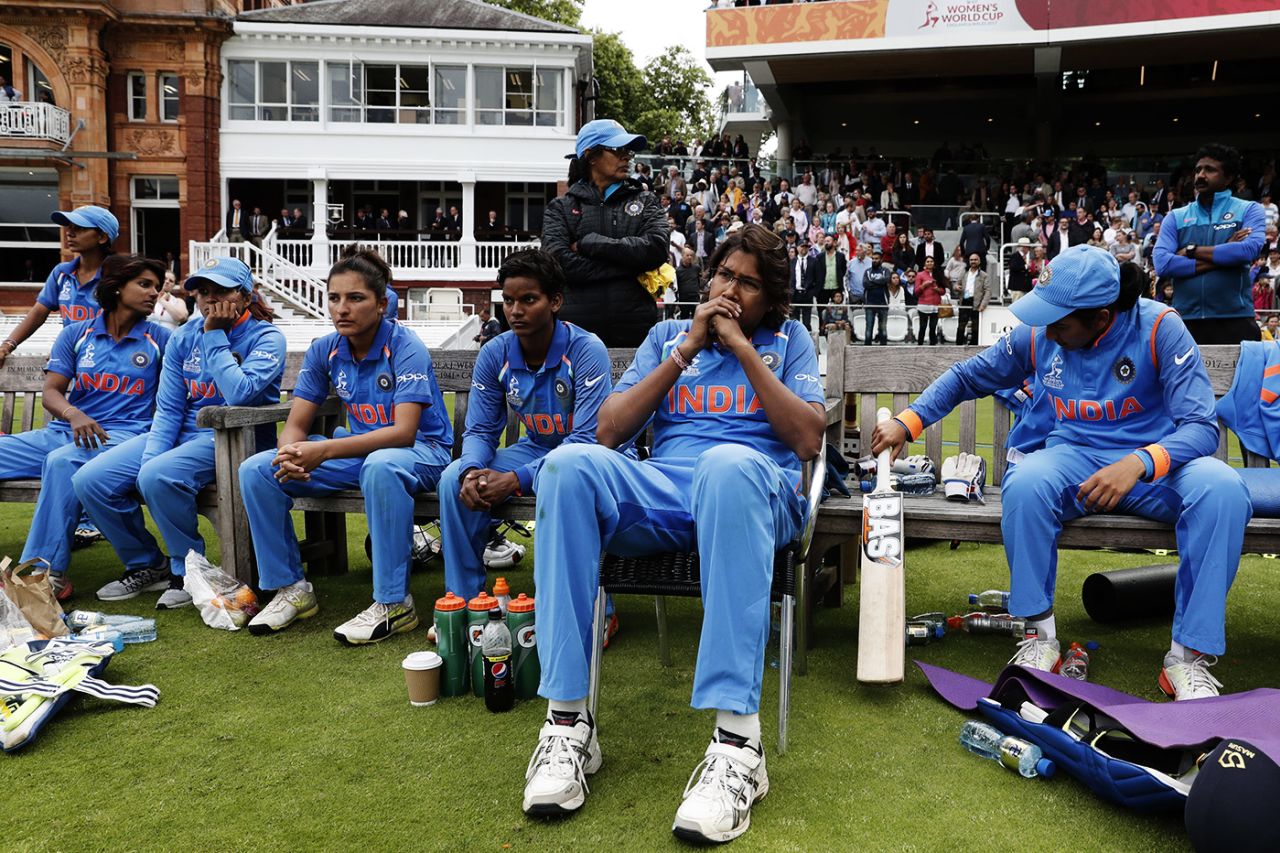
Not long ago, women’s cricket in India struggled for recognition. Even legends such as Mithali Raj and Jhulan Goswami began their careers in an era marked by poor infrastructure, low match fees, minimal media coverage, and little public support.
Players were paid modest sums, travel and accommodation were basic, and fan engagement was almost non-existent. The gap between men’s and women’s cricket was vast.
That narrative began to change in the late 2010s.
2017: The Tournament That Changed Everything

India’s run to the final of the 2017 Women’s ODI World Cup transformed public perception. Performances by Smriti Mandhana and Harmanpreet Kaur captured national attention and highlighted the immense talent within Indian women’s cricket.
This momentum led Indian players to secure contracts in overseas leagues such as the Women’s Big Bash League, The Hundred, and the Caribbean Premier League. However, the demand for a domestic women’s T20 league in India continued to grow.
The Women’s T20 Challenge, launched in 2018 as an IPL exhibition event, served as a testing ground. Its success ultimately paved the way for the launch of the Women’s Premier League in 2023.
Franchise Boom: Teams, Ownership and Valuations
The franchise auction for the WPL marked a major breakthrough. Five teams were sold for a combined value of ₹4,670 crores, signalling strong confidence from corporate India.
- Mumbai Indians
- Royal Challengers Bengaluru
- Delhi Capitals
- UP Warriorz (Capri Global)
- Gujarat Giants (Adani Group)

The Gujarat franchise recorded the highest bid at ₹1,289 crores, making the WPL one of the most valuable women’s sports leagues globally from its inception.
Redefining Player Earnings: Auctions and Salaries
The WPL follows an IPL-style player auction system. Team purses have grown from ₹12 crores in the inaugural season to ₹15 crores in 2026.
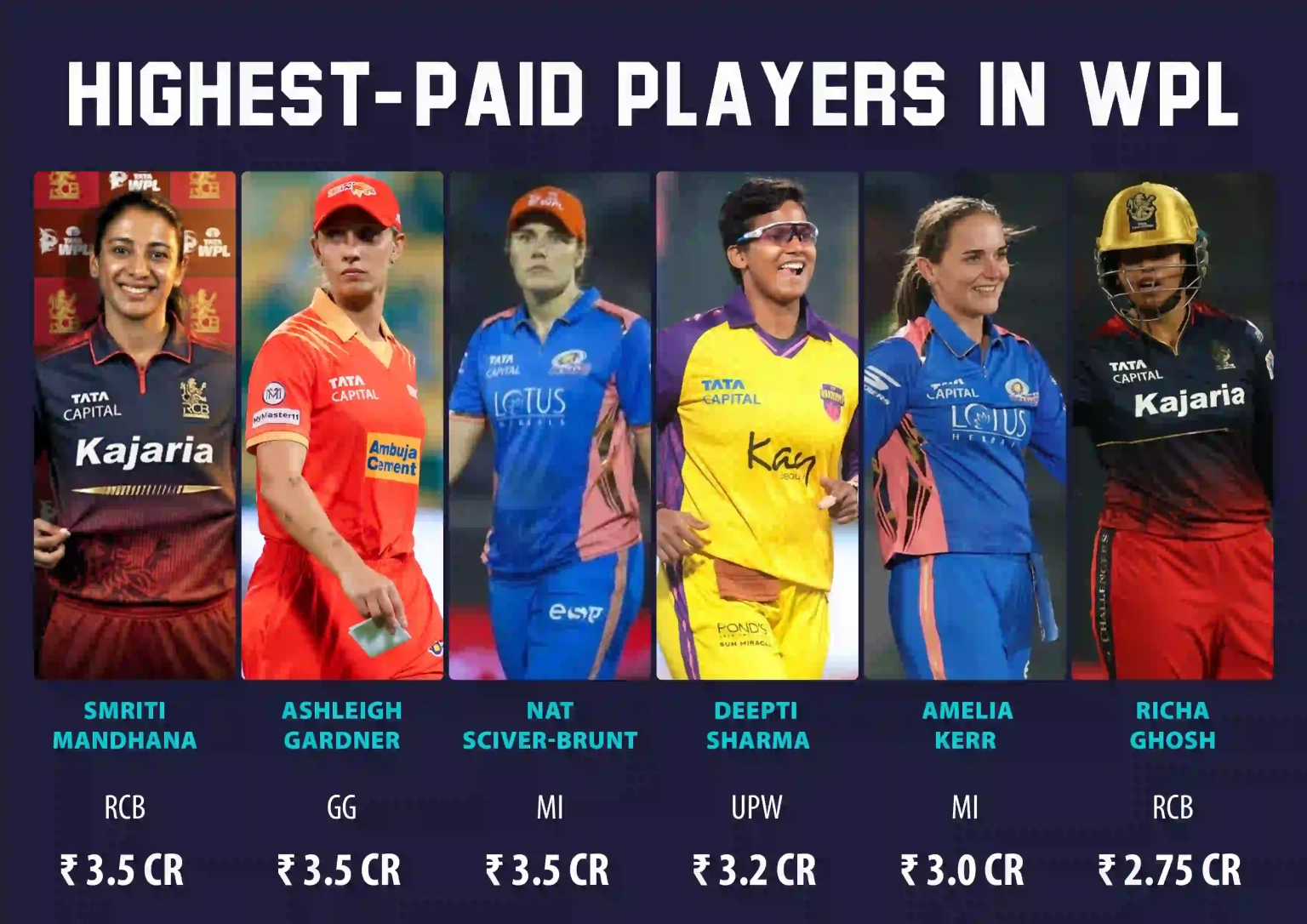
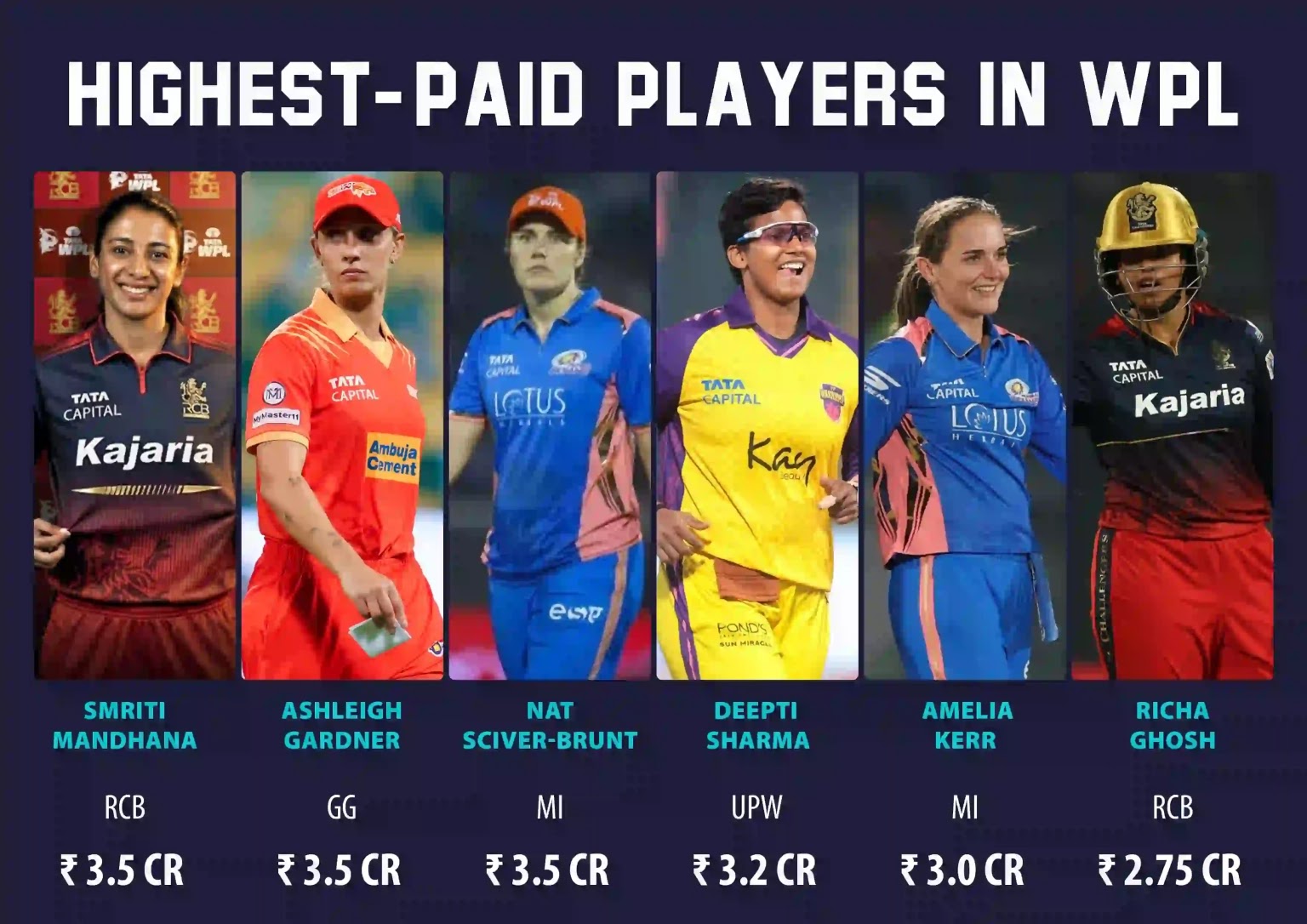
Top player salaries reflect the league’s rapid growth:
- Smriti Mandhana – ₹3.5 crores (RCB, retained)
- Deepti Sharma – ₹3.2 crores (UP Warriorz)
- Amelia Kerr – ₹3 crores
- Nat Sciver-Brunt & Ashleigh Gardner – ₹3.5 crores (retentions)
Several Indian youngsters are now earning life-changing contracts, providing long-term financial security previously unheard of in women’s cricket.
League Structure, Venues and Calendar Planning
With five teams, the WPL operates on a double round-robin format followed by playoffs. The top-placed team qualifies directly for the final, while the second and third teams compete in the eliminator.
While a full home-and-away model is yet to be implemented, the league has expanded its venue footprint each year. The 2026 season, hosted in Navi Mumbai and Vadodara, has been strategically scheduled ahead of the Men’s T20 World Cup.
How the WPL is Transforming Indian Women’s Cricket
Building a Stronger Talent Pipeline
The WPL has significantly deepened India’s talent pool. Players like Shafali Verma, Richa Ghosh, Shreyanka Patil, Titas Sadhu, and Asha Sobhana have transitioned seamlessly from franchise cricket to the national team.
High-pressure matches, exposure to global stars, and consistent competitive cricket have accelerated player development.
Financial Stability and Brand Power
Improved central contracts, equal match fees, and franchise salaries have brought financial stability. Star players now attract major endorsements, magazine features, and digital media attention, further boosting the sport’s visibility.
Fans, Viewership and Stadium Culture
Stadiums that once struggled for crowds now host packed stands. Affordable ticket pricing and strong television and digital viewership have helped the WPL connect with a wider audience, especially younger fans.
Media Rights, Sponsorships and Commercial Growth
The WPL’s media rights were sold for ₹951 crores, reflecting its commercial potential. Viewership continues to rise across TV and digital platforms, making the league increasingly attractive to sponsors.
Ahead of the 2026 season, new sponsors such as ChatGPT, Kingfisher, and Bisleri have joined the league, further strengthening its commercial ecosystem.
From Franchise Cricket to World Champions
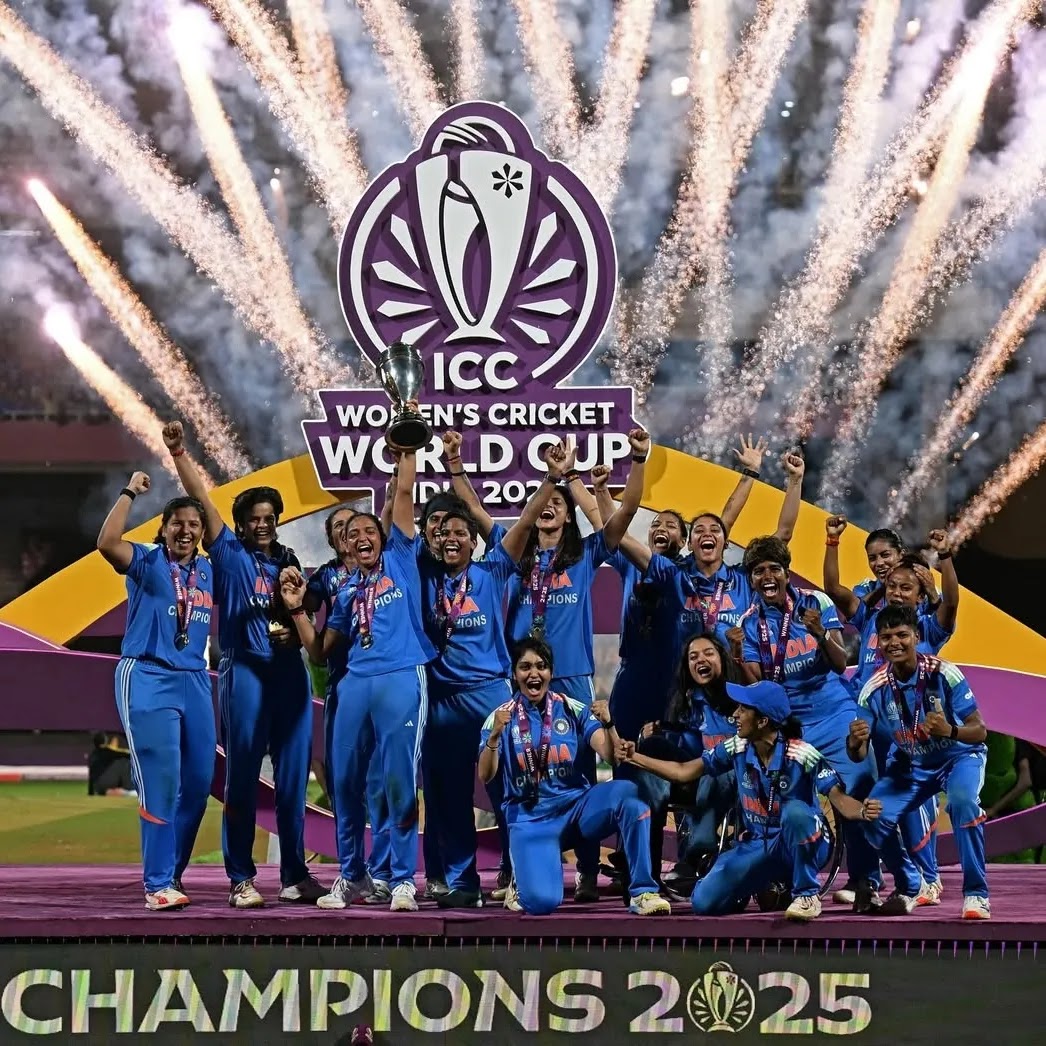
India’s Women’s World Cup triumph in 2025 closely mirrors the IPL’s influence on the men’s team’s success in 2011. The WPL has played a crucial role in building match temperament, squad depth, and confidence qualities that proved decisive on the world stage.
Several players who excelled in the WPL went on to play key roles in India’s World Cup campaign.
Conclusion: More Than a League, a Movement
The Women’s Premier League is more than just a cricket competition it is a transformational force for Indian women’s sport. By creating opportunities, financial security, and global exposure, the WPL has reshaped the future of women’s cricket in India.
As viewership grows and commercial interest strengthens, the WPL is well on its way to becoming one of the most influential women’s sports leagues in the world and a cornerstone of India’s sporting future.
Sources & References
- BCCI Official Announcements – Women’s Premier League (2023–2026)
- ESPNcricinfo – “WPL in its fourth season finds its own identity”
- Economic Times / Brand Equity – WPL sponsorship and media rights reports
- SportsMint Media – WPL franchise valuation and sponsorship analysis
- Financial Express – WPL auction and player salary coverage
- ICC – Women’s Cricket World Cup 2017 & 2025 tournament reports
.png)
.png)
.png)