- Fitness
Yoga for Stress, Anxiety & Mental Health: A Modern Lifestyle Solution That Actually Works
- Apr 07, 2026
- 4 min
Key Takeaways
- Yoga helps manage stress and anxiety by calming the nervous system and reducing cortisol levels
- Simple, consistent practice is more effective than intense or irregular sessions
- Breathing control plays a major role in improving mental clarity and emotional stability
- Styles like Hatha Yoga and mindfulness-based practices are especially effective for mental health
- Long-term benefits include better sleep, improved focus, and stronger stress resilience
Why Stress and Anxiety Are So Common Today
Modern life is designed for convenience, but not always for well-being. Most people spend hours sitting, switching between tasks, and dealing with constant mental pressure. Over time, this leads to chronic stress, which doesn’t just affect your mind, it impacts your sleep, energy levels, and even physical health.
Anxiety builds up when your body stays in a constant “alert mode.” Your breathing becomes shallow, your thoughts become scattered, and your ability to focus starts declining.
This is exactly where yoga becomes more than just a physical activity, it becomes a tool to reset your system.
How Yoga Helps Mental Health (Beyond Just Relaxation)
Yoga works differently from most fitness routines. Instead of only focusing on the body, it connects movement, breathing, and awareness. This combination directly impacts your nervous system.
When you practice yoga regularly, your body shifts from a stressed state to a relaxed state. Your breathing slows down, your heart rate stabilizes, and your mind becomes clearer.
Unlike temporary distractions, yoga builds long-term resilience. It doesn’t just reduce stress in the moment, it helps your body handle stress better over time.
The Science Behind Yoga and Stress Reduction
When you are stressed, your body releases cortisol, the stress hormone. If this continues for long periods, it leads to fatigue, anxiety, and burnout.
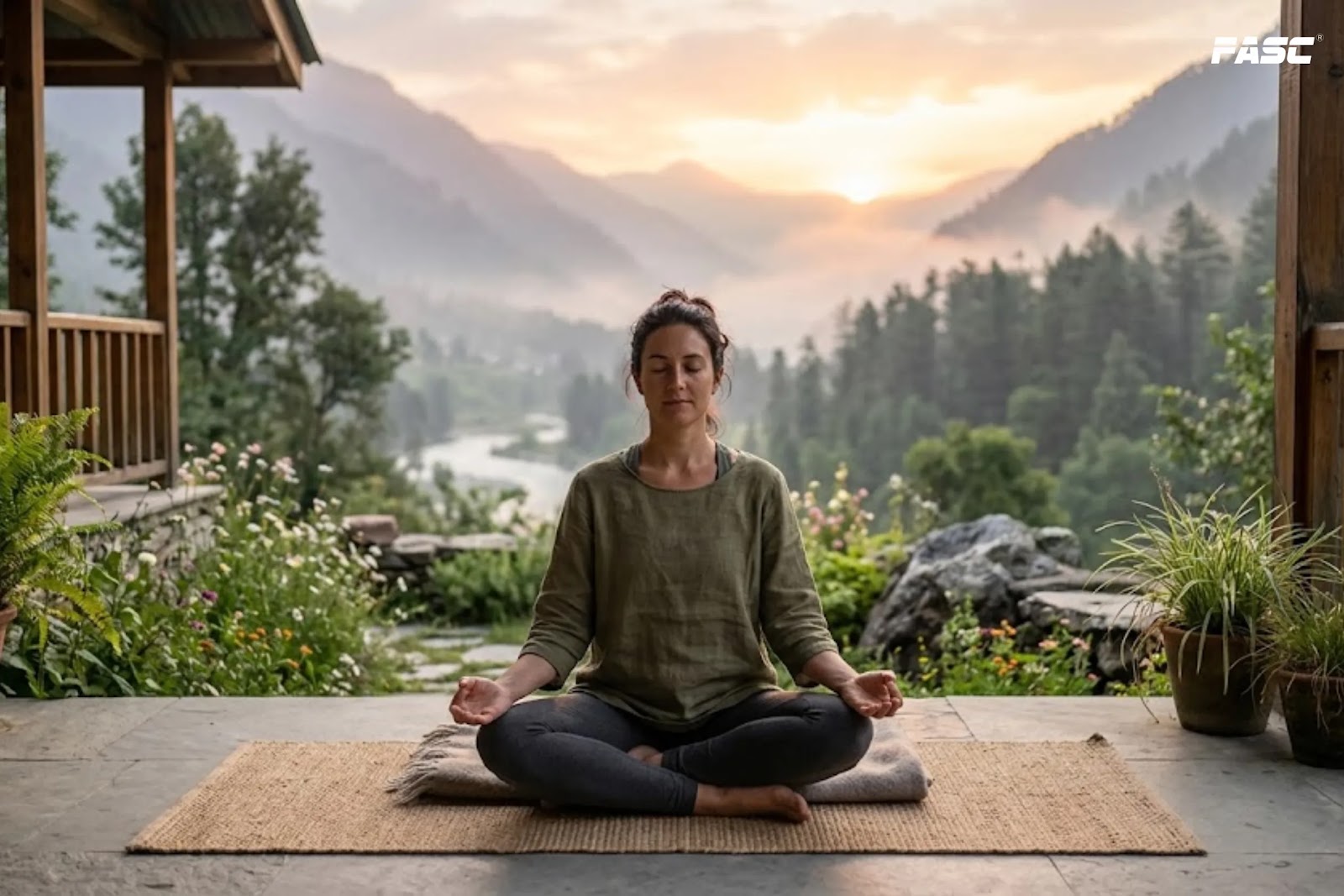
Yoga helps reduce cortisol levels by activating the parasympathetic nervous system, the part responsible for relaxation and recovery.
At the same time, controlled breathing improves oxygen flow to the brain, which enhances focus and reduces mental fog. This is why even a short yoga session can leave you feeling calmer and more in control.
Best Types of Yoga for Stress and Anxiety
Not all yoga styles are the same, and choosing the right one makes a big difference.
Gentle and slow-paced practices are more effective for mental health. Practices rooted in mindfulness and awareness, like those explored in spiritual yoga go deeper by helping you connect with your thoughts and emotions.
The goal here is not intensity, but consistency and control.

Simple Yoga Practices That Actually Help
You don’t need complicated routines to experience the benefits. In fact, simple practices done regularly are far more effective.
Start with basic stretches combined with deep breathing. Focus on moving slowly and staying aware of your breath. This alone can calm your mind significantly.
Breathing exercises like controlled inhalation and exhalation are especially powerful. They directly influence your nervous system and can reduce anxiety within minutes.
Traditional approaches like Hatha Yoga focus on controlled movements and breathing, making them ideal for beginners and those dealing with stress.
Adding a short relaxation phase at the end of your session helps your body fully absorb the benefits. This is where your mind truly begins to settle.

Why Consistency Matters More Than Intensity
One of the biggest mistakes people make is treating yoga like a one-time solution. Practicing once in a while won’t bring lasting results.
Mental health improvements come from repetition. When you practice yoga regularly, your body starts adapting. Your breathing becomes naturally deeper, your response to stress improves, and your mind becomes more stable.
Even 15–20 minutes daily is enough if done consistently. It’s not about doing more, it’s about doing it regularly.
Yoga vs Other Stress Relief Methods
Many people rely on distractions like social media, entertainment, or even unhealthy habits to deal with stress. While these may provide temporary relief, they don’t address the root problem.
Yoga, on the other hand, works internally. It changes how your body reacts to stress instead of just helping you escape it.
This is why people who stick with yoga often report not just reduced stress, but better clarity, improved sleep, and higher productivity.
The Connection Between Mind and Body
One of the most underrated aspects of yoga is how it strengthens the connection between your mind and body.
When you become more aware of your breathing and movement, you also become more aware of your thoughts. This awareness is what helps you manage anxiety better.
Instead of reacting instantly, you start responding more calmly. Over time, this shift creates a noticeable difference in how you handle daily challenges.
Making Yoga a Part of Your Daily Routine
The biggest advantage of yoga is that it doesn’t require a gym, expensive equipment, or long hours.
You can practice it at home, in a quiet corner, or even at your workplace. The key is to make it a habit rather than an occasional activity.
Start small. Pick a fixed time, keep your routine simple, and focus on consistency. Once it becomes a part of your day, the benefits follow naturally.
Recommended products from Yoga Coach
Frequently Asked Questions (FAQs)
1. Can yoga really reduce anxiety?
Yes, regular yoga practice helps calm the nervous system, reduce stress hormones, and improve emotional control over time.
2. How long does it take to see results?
You may feel calmer immediately after a session, but noticeable long-term improvements usually take 3–4 weeks of consistent practice.
3. Which yoga is best for stress relief?
Slow and controlled styles like Hatha Yoga and mindfulness-based practices work best for reducing stress and anxiety.
4. Do I need to practice daily?
Ideally yes, but even 4–5 sessions per week can make a significant difference if done consistently.
5. Can beginners start yoga for mental health?
Absolutely. Yoga is beginner-friendly and can be easily adapted based on your comfort level.
.png)
.png)
.png)