- Fitness
Calories In vs Calories Out: Myth, Misunderstanding, or the Real Truth About Fat Loss?
- Feb 10, 2026
- 5 min
Key Takeaways
- Calories In vs Calories Out is the biological foundation behind body weight change.
- Fat loss occurs when the body consistently uses more energy than it consumes.
- Metabolism, lifestyle habits, sleep, and stress all influence energy balance.
- Food quality and balanced nutrition make maintaining a calorie balance easier.
Few ideas in fitness are discussed as often - or misunderstood as widely - as Calories In vs Calories Out. Some people reduce fat loss to a strict numbers game, while others reject the concept entirely because real life feels far more complex than a simple equation. The truth lies somewhere in between.
Energy balance plays a significant role in how body weight changes, but understanding it properly requires looking beyond extreme dieting rules and short-term trends. Whether someone is just beginning their health journey or simply aiming to build sustainable habits, learning how energy balance works can remove confusion and create a more realistic path toward long-term progress.
Understanding Energy Balance in Simple Terms
Every day, the body uses energy to support basic functions such as breathing, digestion, and maintaining body temperature. On top of that, daily activities - walking, working, training, and even thinking — require fuel. The calories we consume through food and drinks provide this energy.
When calorie intake and calorie expenditure remain balanced, body weight usually stays stable. When the body consistently uses more energy than it receives, it begins to rely on stored energy, which can lead to gradual fat loss over time. When intake stays higher than expenditure, excess energy is stored.
This principle is not a trend or a marketing strategy - it is a natural biological process. However, applying it successfully depends on understanding how real life influences those numbers.

Why Some People Believe It’s a Myth
Many people struggle with fat loss despite believing they are eating less, which often leads them to assume that Calories In vs Calories Out does not work. In reality, several hidden factors influence the process.
Daily movement can change without conscious awareness. Sleep patterns, stress levels, and food choices affect hunger and energy. Portion sizes are easy to misjudge, and exercise calories are often overestimated. These small variables can shift energy balance quietly, creating confusion.
Rather than disproving the concept, these challenges highlight how complex human behavior and lifestyle habits can be. The principle remains valid, but it requires a realistic and adaptable approach.
Metabolism Is Always Changing
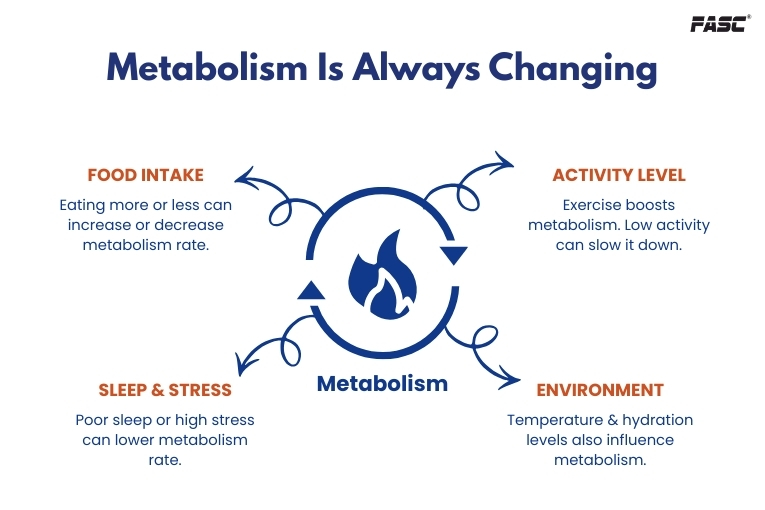
One of the most common misconceptions about energy balance is the belief that metabolism is fixed. In reality, the body constantly adapts to its environment. When calorie intake stays low for long periods, the body may become more efficient and slightly reduce daily energy expenditure.
At the same time, people may move less without realizing it. Small changes — such as taking fewer steps or spending more time sitting — can lower overall calorie burn. These adaptations do not stop progress; they simply mean adjustments may be necessary over time.
Understanding that metabolism is dynamic encourages patience and prevents unrealistic expectations.
Food Quality Still Matters
Although total calorie intake plays a role in body weight management, the quality of those calories has a much greater impact on how the body feels and performs. Meals centered on whole foods, balanced macronutrients, and adequate protein help maintain steady energy levels and curb excessive hunger, especially when combined with pre- and post-workout nutrition timing to support performance, recovery, and overall metabolic health.
Highly processed foods can make it easy to consume large amounts of calories without feeling satisfied. In contrast, nutrient-dense meals support digestion, recovery, and long-term health. Choosing balanced foods does not replace energy balance, but it makes maintaining it far more manageable.
Focusing only on numbers often leads to short-term results but long-term frustration.
Hormones, Lifestyle, and Everyday Behavior
Hormones influence appetite, mood, and energy levels. Poor sleep, high stress, and irregular routines can increase cravings and reduce motivation to stay active. These factors do not override Calories In vs Calories Out, but they shape daily decisions that influence energy intake and expenditure.
Improving lifestyle habits - such as maintaining consistent sleep schedules and recovery habits - often makes energy balance feel more natural and less restrictive. Progress becomes easier when habits support the process instead of working against it.
Common Mistakes People Make
Many frustrations around fat loss come from unrealistic expectations or small tracking errors rather than flaws in the concept itself. People often expect rapid, perfectly consistent changes on the scale, but body weight naturally fluctuates due to hydration levels, digestion, and hormonal shifts.
Another common mistake is extreme calorie restriction. While aggressive dieting may produce fast short-term changes, it can lead to fatigue, low motivation, and difficulty maintaining results. Gradual adjustments usually create more sustainable outcomes.
Overestimating calories burned during exercise and underestimating portion sizes are also frequent issues. Viewing calorie tracking as a flexible guide rather than an exact measurement helps maintain a healthier perspective.

A Balanced Approach That Works for Everyone
Calories In vs Calories Out is not limited to athletes or professionals — it applies to anyone who eats and moves. The key difference lies in how it is used. Instead of treating it as a strict rule, it works best as a flexible framework that supports everyday life.
Simple habits can make a meaningful difference:
- Build meals around balanced nutrition, including protein, carbohydrates, and healthy fats.
- Stay active through daily movement, not only structured workouts, by following simple beginner workout routines that build consistency over time.
- Focus on consistency rather than short-term extremes.
- Pay attention to energy levels, recovery, and overall well-being.
When these habits become part of daily routines, energy balance happens more naturally without constant pressure.
Conclusion
Calories In vs Calories Out is neither a myth nor a magic shortcut. It represents the biological foundation behind body weight change, but real success depends on lifestyle, food quality, and long-term consistency. Instead of viewing fat loss as a strict equation, a more effective perspective focuses on understanding how daily habits influence energy balance over time.
By combining awareness with realistic expectations, anyone — regardless of fitness level — can use this concept to build healthier routines, improve body composition, and create sustainable progress without unnecessary stress.
FAQs
1. What does Calories In vs Calories Out mean?
It refers to the balance between the calories you consume through food and the calories your body uses for daily activities and functions.
2. Does Calories In vs Calories Out really work for fat loss?
Yes. When the body consistently uses more calories than it consumes, it gradually uses stored fat for energy, leading to fat loss over time.
3. Why do some people struggle with fat loss despite eating less?
Factors like poor sleep, stress, inaccurate portion tracking, low activity levels, and metabolic adaptation can affect energy balance and slow progress.
4. Is calorie counting enough for healthy weight management?
No. Food quality, balanced nutrition, sleep, and consistent activity are equally important for sustainable results and overall health.
5. Can lifestyle habits affect calorie balance?
Yes. Sleep, stress, movement, and daily routines influence hunger, energy levels, and metabolism, which directly impact calorie intake and expenditure.
.png)
.png)
.png)