Importance of yoga in sports
- Apr 15, 2024
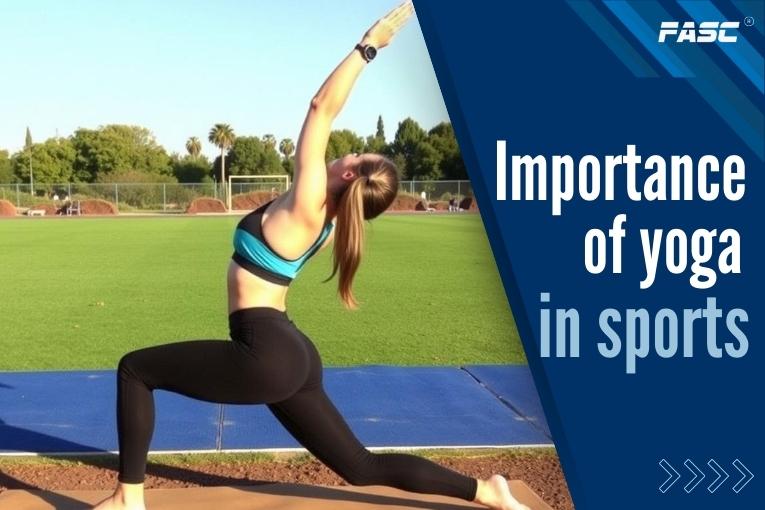
Yoga has transcended its spiritual roots to become a critical component of athletic training. Its integration into sports routines enhances flexibility, strength, and mental focus—key elements for peak performance. Below, we’ll explore the importance of yoga in sports, detailing how athletes can benefit from incorporating yoga into their training routines.
Why Yoga is Important in Sports
Yoga creates a balanced approach to sports by improving physical strength, flexibility, and mental well-being, helping athletes maintain peak performance and a healthier lifestyle.
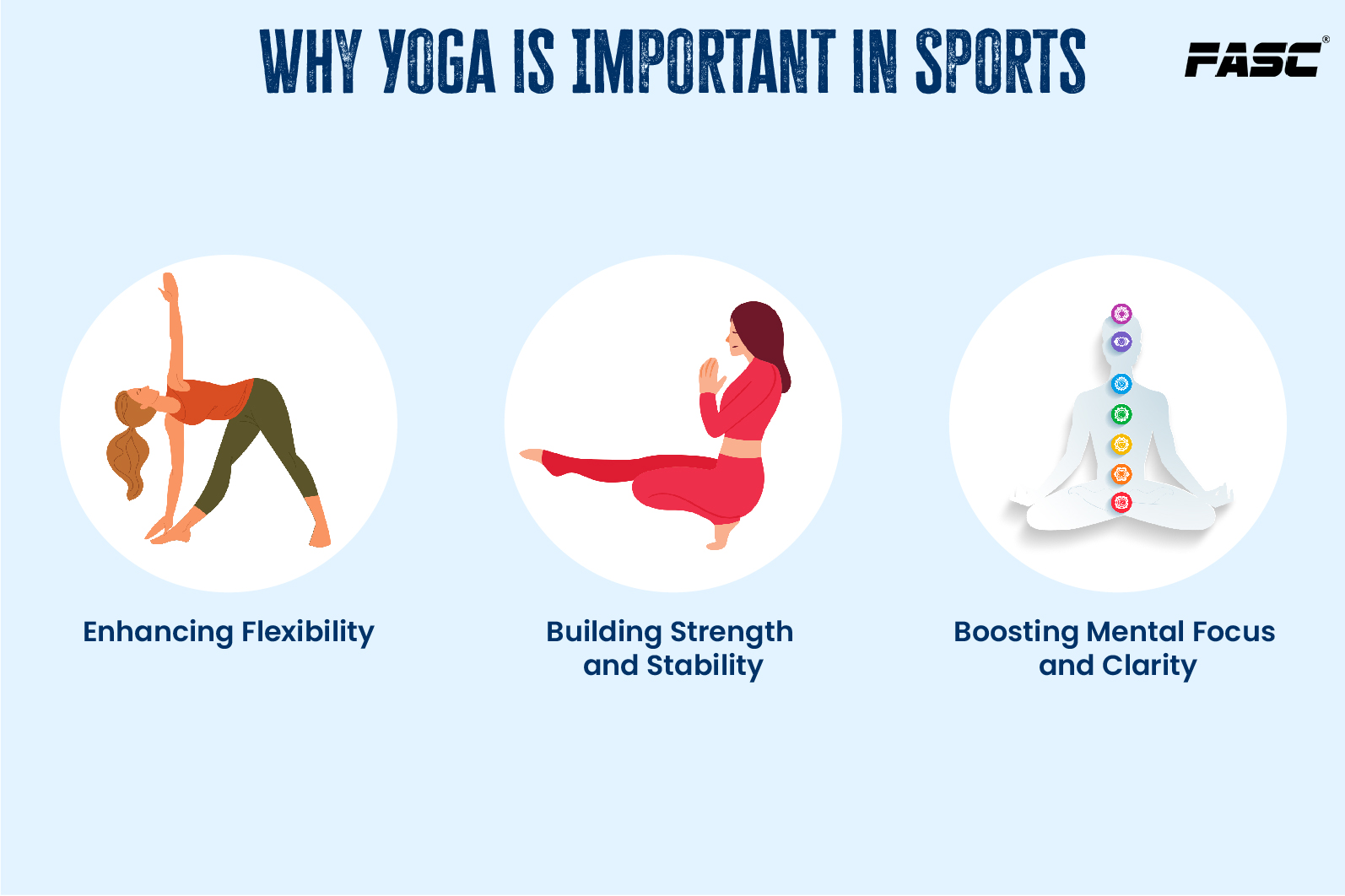
1. Enhancing Flexibility
Yoga is renowned for improving flexibility, which is crucial in sports to prevent injuries and improve performance. Dynamic stretches and poses lengthen muscles and increase the range of motion, allowing athletes to move more freely and efficiently.
2. Building Strength and Stability
While yoga is often associated with flexibility, it also plays a significant role in building strength, particularly in the core, legs, and upper body. Poses like Plank, Warrior, and Chair engage multiple muscle groups, helping athletes develop the strength and stability needed for various sports.
3. Boosting Mental Focus and Clarity
Yoga promotes mindfulness and mental clarity, essential for sports that require strategic thinking and quick decision-making. Breathing exercises and meditation practices within yoga help athletes manage stress, maintain focus, and stay calm under pressure.
Athletic Yoga: A Perfect Blend of Strength and Flexibility
Athletic yoga is a tailored approach combining traditional yoga poses with sport-specific exercises. This fusion creates a workout that not only enhances flexibility but also builds strength and endurance. Here’s how it benefits athletes:

1. Comprehensive Body Conditioning
Athletic yoga sessions focus on both flexibility and strength, ensuring that muscles are not only stretched but also strengthened. This dual approach helps in creating a balanced body that is both powerful and flexible.
2. Injury Prevention
Incorporating yoga into an athlete’s routine helps in injury prevention by addressing muscle imbalances and improving joint health. Regular practice ensures that muscles are both strong and supple, reducing the risk of strains and sprains.
3. Improved Recovery
Athletic yoga aids in faster recovery by promoting blood flow and reducing muscle stiffness post-exercise. Gentle stretching and deep breathing techniques help in flushing out toxins and lactic acid, which accelerates the healing process.
Yoga for Flexibility: The Key to Athletic Success
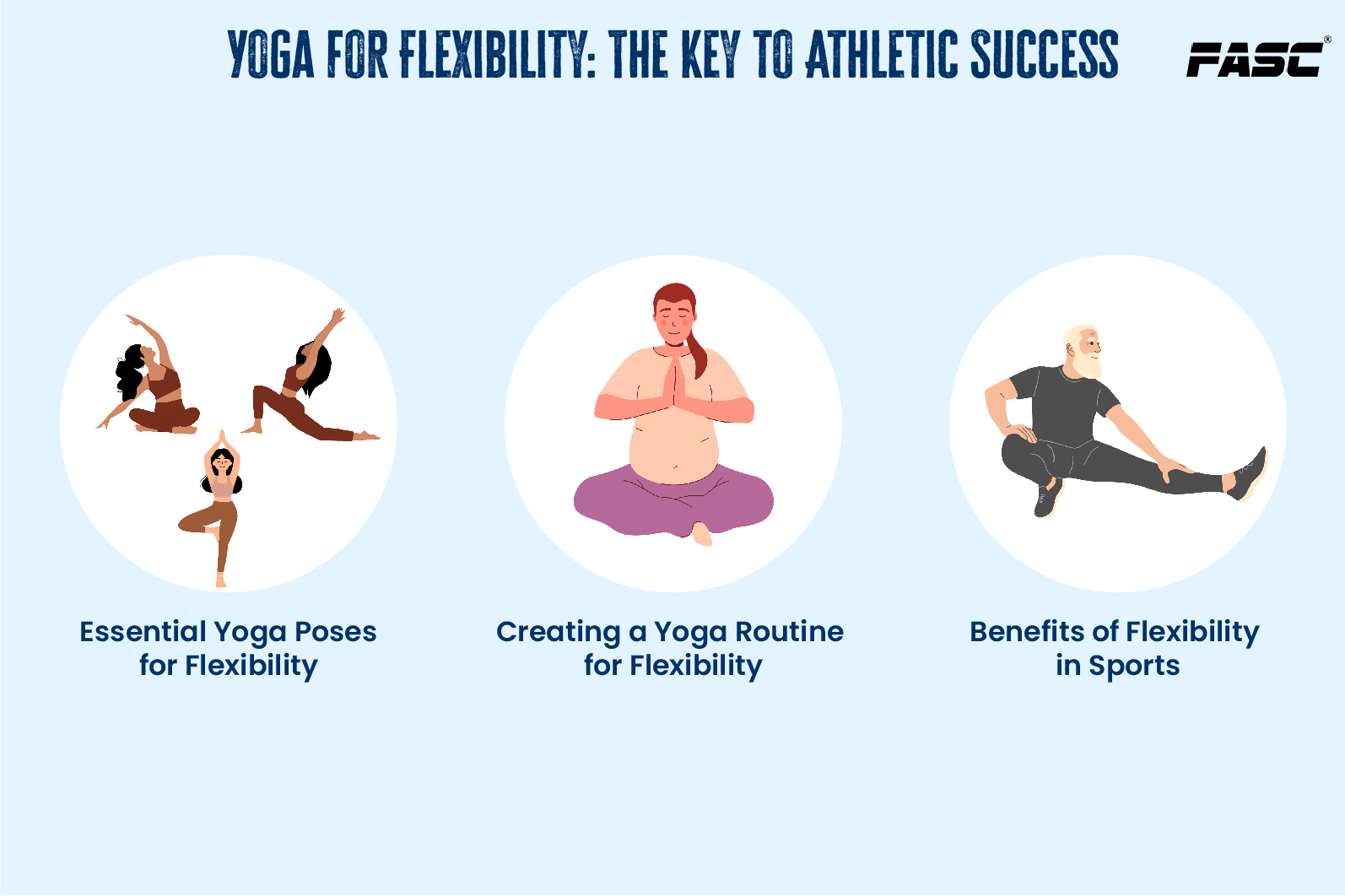
1. Essential Yoga Poses for Flexibility
Flexibility is a cornerstone of athletic performance, allowing athletes to perform at their best. Incorporating the following yoga poses into a daily routine can significantly enhance flexibility:
-
Downward-Facing Dog: Stretches the hamstrings, calves, and spine, improving overall flexibility.
-
Pigeon Pose: Targets the hips, opening them up and releasing tension, crucial for runners and cyclists.
-
Seated Forward Bend: Stretches the hamstrings and lower back, increasing flexibility in the posterior chain.
2. Creating a Yoga Routine for Flexibility
To see substantial improvement in flexibility, athletes should commit to a regular yoga routine. A 20-30 minute daily session focused on key stretches and poses can make a significant difference over time.
3. Benefits of Flexibility in Sports
Greater flexibility leads to better agility and coordination, enhancing overall athletic performance. It also plays a crucial role in injury prevention, as flexible muscles are less likely to strain or tear.
Yoga Stretches for Athletes: Maximizing Potential
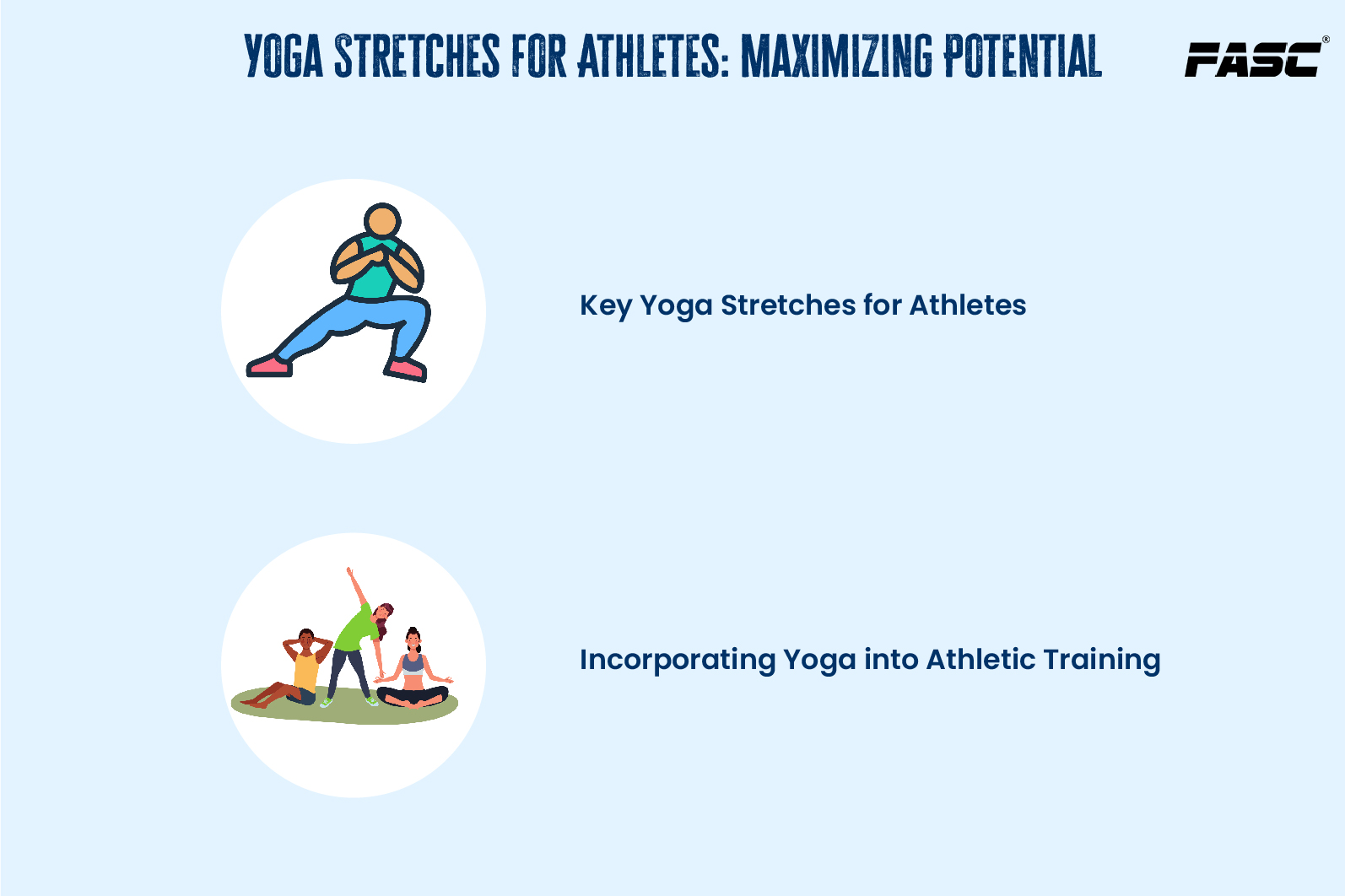
1. Key Yoga Stretches for Athletes
Specific yoga stretches can be particularly beneficial for athletes, targeting the areas most prone to tightness and injury:
-
Standing Forward Bend: Stretches the spine and hamstrings, relieving tension after intense physical activity.
-
Triangle Pose: Opens up the hips and stretches the sides of the torso, improving lateral movement.
-
Bridge Pose: Strengthens the back and glutes while opening the chest and shoulders, essential for swimmers and rowers.
2. Incorporating Yoga into Athletic Training
Athletes can incorporate yoga stretches into their warm-up or cool-down routines. A 10-15 minute session before or after training can enhance flexibility, reduce muscle soreness, and prepare the body for peak performance.
Conclusion
Yoga is more than just a flexibility-enhancing practice; it’s a comprehensive approach to building a resilient, balanced, and powerful body. By integrating yoga into their training routines, athletes can improve their strength, flexibility, and mental focus, leading to enhanced performance and reduced injury risk. Whether you’re a seasoned athlete or just starting, yoga can be the key to unlocking your full athletic potential.
Frequently Asked Questions (FAQs)
1. Is yoga beneficial for injury prevention in sports?
Yes, yoga improves flexibility and balance, reducing the risk of injuries.
2. Can beginners in sports benefit from yoga?
Absolutely! Yoga enhances flexibility, strength, and focus, benefiting athletes at all levels.
3. How long does it take to see results from yoga in sports?
You may notice improvements in flexibility and strength within a few weeks of consistent practice.
.png)
.png)
.png)