- Sports
Judo: The Science of Balance, Discipline, and Real Combat Skill - Complete Beginner Guide
- Feb 13, 2026
- 5 min
Key Takeaways
- Judo is built on efficiency, balance, and disciplined training — not brute strength.
- Mastering kuzushi and fundamentals determines long-term success.
- Structured coaching and safe practice matter more than aggressive sparring.
- Beginners progress faster when they focus on repetition, patience, and recovery.
- Competition performance depends on strategy, conditioning, and technical timing.
Many beginners enter judo believing it is simply grappling or a strength-based combat sport. Within weeks, they realise the opposite: timing, balance, and technical precision matter far more than power. Judo is not chaotic fighting — it is a structured system built on discipline, efficiency, and long-term athletic development. If you are new to martial arts and still comparing styles, the ideas discussed in Difference Between Taekwondo, Karate, and Kickboxing can help you understand where judo truly stands.
History of Judo
Judo was founded in 1882 by Jigoro Kano in Japan. Drawing from traditional jujutsu systems, Kano removed dangerous techniques and introduced a safer, educational framework focused on character development alongside physical skill.
Judo became an Olympic sport in 1964 and has since evolved into a global discipline practiced in schools, professional academies, and national training centers. Despite modern rule changes, its core philosophy — discipline, respect, and continuous improvement — remains unchanged.
Core Principles That Define Judo
Unlike striking-based combat sports, judo emphasizes efficiency and technical intelligence.
Seiryoku Zenyo (Maximum Efficiency)
Athletes learn to use leverage, timing, and movement rather than brute force. Efficient motion reduces fatigue and improves performance over long matches.
Jita Kyoei (Mutual Welfare and Benefit)
Progress happens through cooperative training. Safe practice allows athletes to develop skill without unnecessary injury risk.
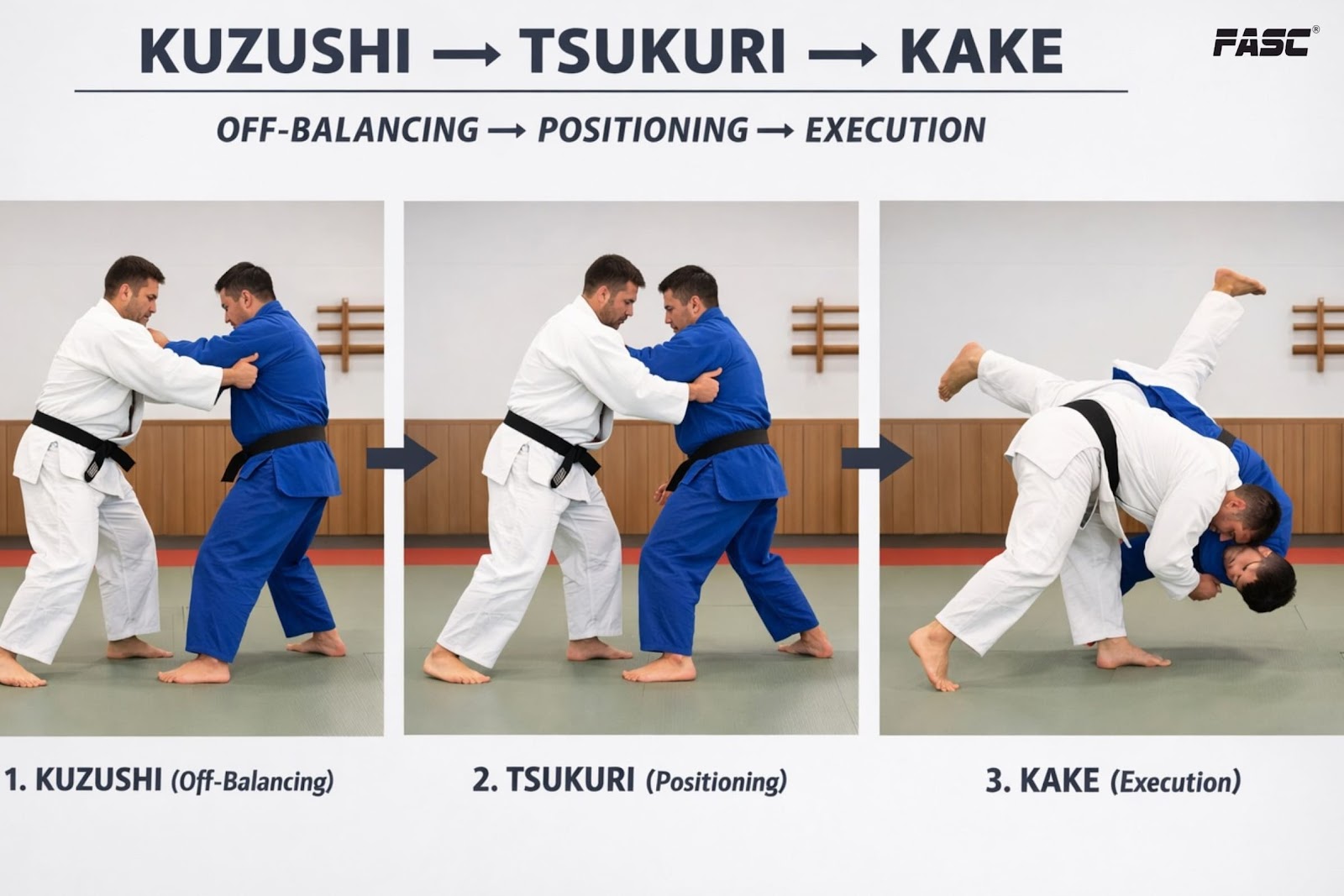
The Three Phases of Every Successful Throw
Real throwing skill follows a specific progression:
Kuzushi (Breaking Balance): Creating instability through grips, footwork, or directional pressure.
Tsukuri (Entry): Positioning the body correctly for maximum leverage.
Kake (Execution): Completing the throw with timing and control.
Beginners often rush to execution without mastering balance breaking, which limits long-term progress.
Basic Rules of Judo Every Beginner Should Know
Objective of a Match
The goal is to score an Ippon, which ends the contest instantly. This can be achieved through:
- A clean and controlled throw
- A successful hold-down
- A submission depending on age category
Scoring System
- Waza-ari represents a near-perfect technique.
- Two Waza-ari equal one Ippon.
Penalties
- Passive fighting
- Illegal grips
- Lack of engagement
Understanding rules early prevents bad habits and improves tactical awareness.
Fundamental Judo Techniques
Advanced techniques mean nothing without strong basics.
Throwing Techniques (Nage-Waza)
- O-soto-gari
- Ippon seoi nage
- Harai goshi
- De-ashi-barai
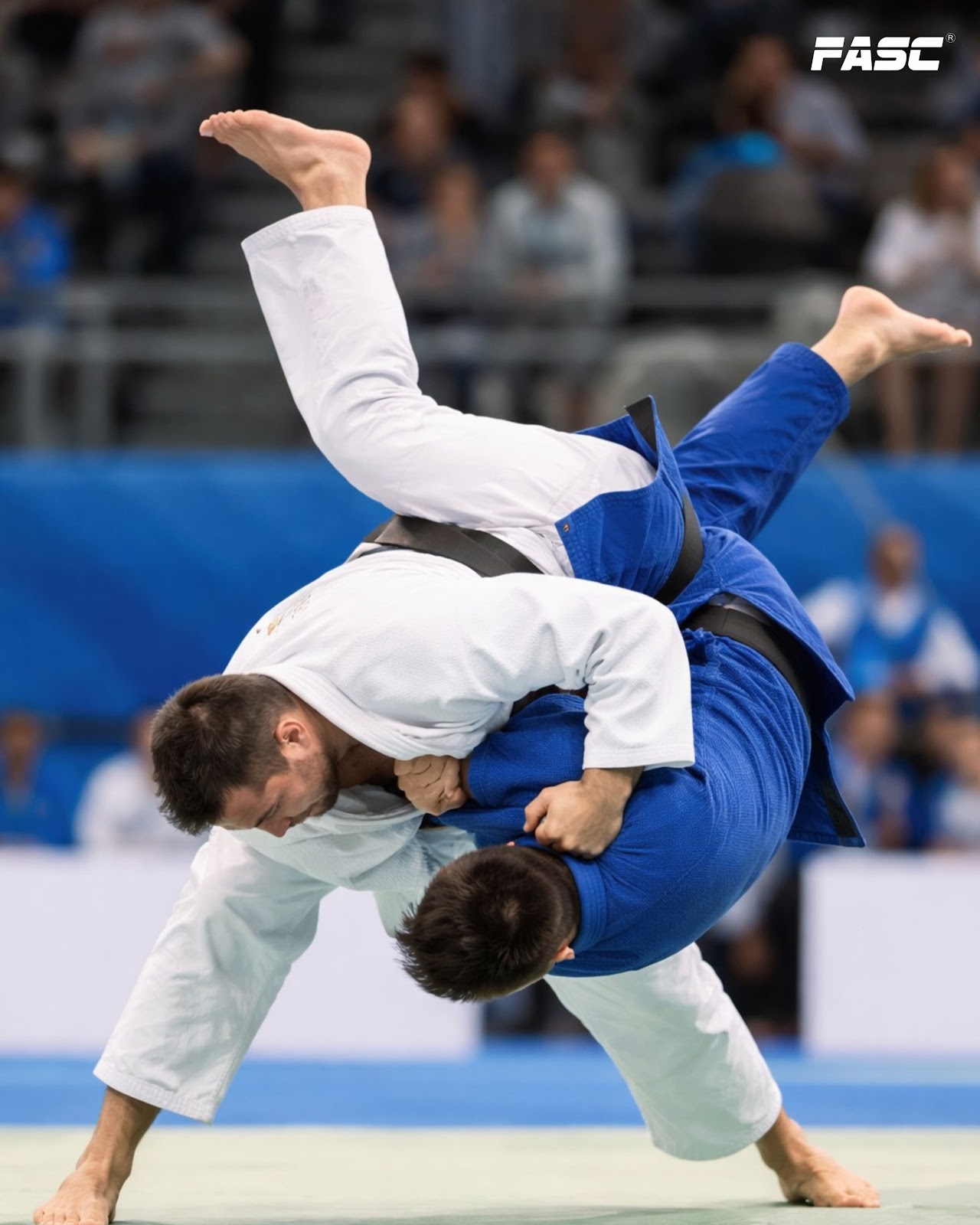
These techniques are taught early because they build balance awareness and grip coordination rather than raw strength.
Ground Techniques (Ne-Waza)
- Pins and control positions
- Arm locks
- Chokes (age-restricted)
Ground fighting often decides match outcomes, yet many beginners underestimate its importance.
Breakfalls (Ukemi)
Ukemi is not optional — it is the foundation of safe training. Proper falling technique reduces injury risk and builds confidence during randori, helping beginners develop safety awareness before moving into higher intensity training.
Typical Judo Training Structure
A structured class usually includes:
- Warm-up and mobility work
- Ukemi practice
- Technical instruction
- Uchi-komi repetition drills
- Controlled randori
- Cooldown and stretching
Training environments that skip technical learning and focus only on sparring often slow development. Athletes who understand structured progressions like those explained in 20-Minute Workout Routines for Beginners at Home tend to build better long-term habits both on and off the mat.
Physical and Mental Benefits of Judo
Physical Benefits
- Improved balance and coordination
- Functional strength
- Faster reaction time
- Increased mobility
Mental Benefits
- Discipline and patience
- Decision-making under pressure
- Emotional control during competition
Unlike appearance-focused fitness trends, judo builds movement skill that transfers into real athletic performance — a concept explored deeper in Sports vs Gym Training Which One Builds a Stronger Body and a Sharper Mind? where performance-based training is compared against aesthetic-focused workouts.
Judo for Kids vs Adults
Kids Training
- Focus on coordination and enjoyment
- Limited submissions for safety
- Strong discipline foundation
Adult Training
- Greater technical depth
- Higher intensity randori
- Strategic preparation for competition
Pushing children into competition too early often leads to burnout instead of long-term growth, which is why structured physical development and responsible supplementation guidance like ideas mentioned in Best 7 Must-Have Supplements for Athletes — should always be approached carefully.
Common Mistakes Beginners Make
- Chasing advanced techniques before mastering basics
- Using strength instead of timing
- Ignoring recovery and conditioning
- Training without structured coaching
Athletes who rely only on power usually plateau quickly and increase injury risk.
Competition Preparation: What Actually Matters
Successful preparation focuses on:
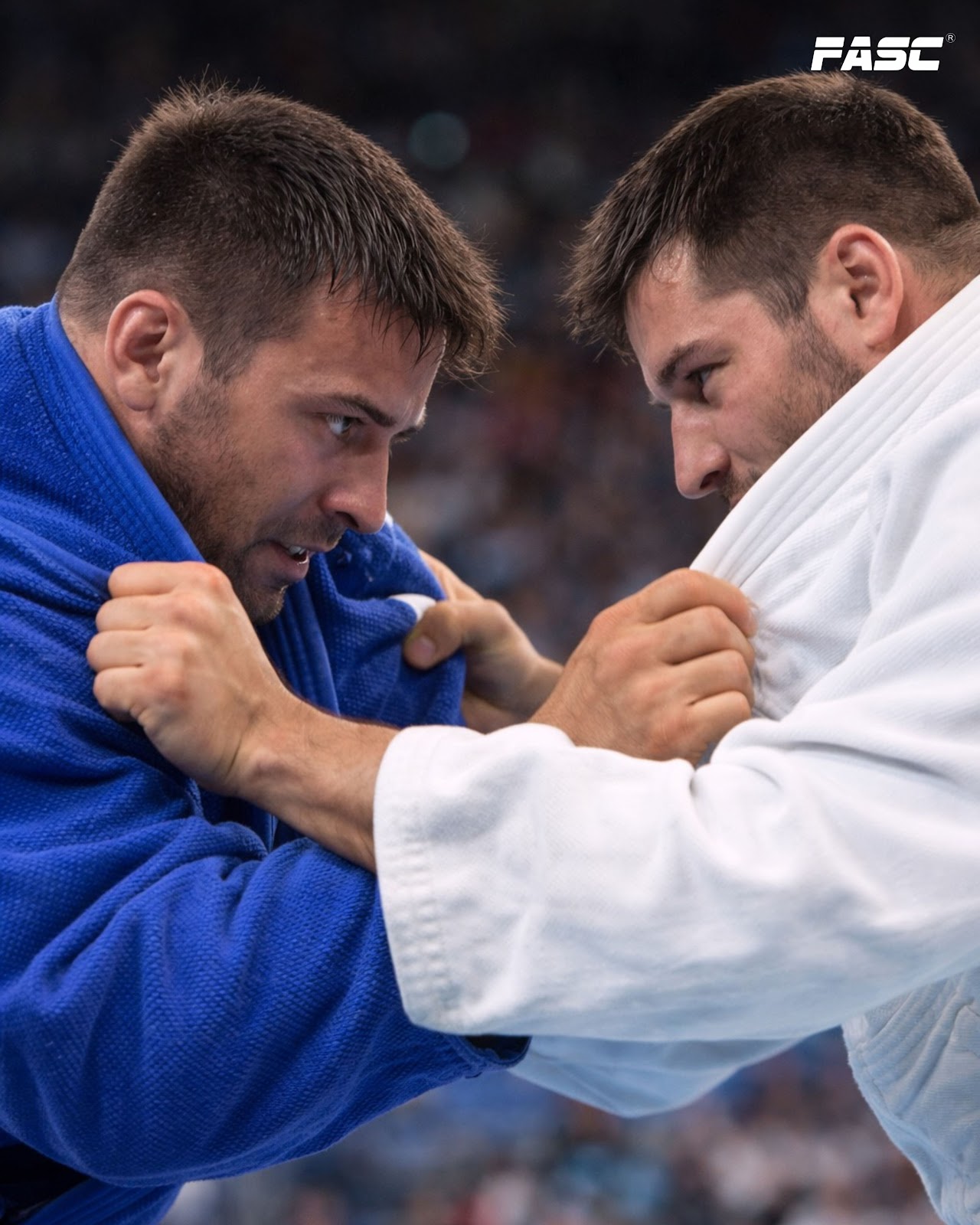
- Grip fighting strategy and dominance
- Fast transitions from standing to ground
- Match tempo control
- Consistent conditioning and recovery
Extreme dieting or unrealistic expectations rarely improve performance and often reduce energy on the mat, which is why athletes benefit from understanding fueling strategies discussed in Pre- and Post-Workout Nutrition: What to Eat, When to Eat, and Why It Matters.
How to Choose the Right Judo Academy
Look for:
- Certified coaches
- Structured belt progression
- Strong emphasis on ukemi
- Balanced technical training and sparring
- Clear feedback and correction
Chaotic sessions without structured teaching are often a warning sign.
Conclusion
Judo remains one of the most complete combat systems because it combines technical skill, physical conditioning, and mental discipline into a single structure. Long-term success comes from mastering fundamentals, training consistently, and following structured coaching instead of chasing shortcuts or unrealistic expectations.
FAQ's
Is judo safe for beginners?
Yes, when ukemi training and structured coaching are prioritized from the start.
How long does it take to progress in judo?
Progress varies based on consistency, coaching quality, and competition exposure rather than just belt rank.
Is judo effective for self-defense?
Judo teaches balance control and takedowns that can be effective in real-world situations when trained responsibly.
Do you need strength to start judo?
No. Technique, timing, and leverage matter far more than physical power, especially for beginners.
.png)

.png)
.png)