- Fitness
Sleep & Recovery Science: The Missing Link in Fitness Progress
- Jan 27, 2026
- 4 min
Key Takeaways
- Fitness progress happens during recovery, not just during workouts.
- Quality sleep is essential for muscle repair, hormone balance, and performance.
- Poor sleep slows results, increases fatigue, and raises injury risk.
- Recovery includes sleep, rest days, active recovery, and proper nutrition.
- Smart training with proper recovery leads to long-term, sustainable fitness results.
In today’s fitness culture, most people believe that progress comes from harder workouts and stricter diets. They push themselves every day, lift heavier weights, and follow intense routines — yet many still struggle with slow results, constant fatigue, and burnout.
The truth is simple: progress doesn’t happen in the gym, it happens during recovery.
Sleep and recovery are often overlooked, even though they form the foundation of strength, endurance, and fat loss. When you train, your muscles break down. When you rest, your body repairs and rebuilds them stronger. Without proper recovery, even the best workout plan fails to deliver results.
Understanding how sleep and recovery work can completely change the way you approach fitness.
Why Sleep Is Essential for Fitness Performance
Sleep is not passive rest. It is an active biological process during which the body heals, adapts, and strengthens itself.
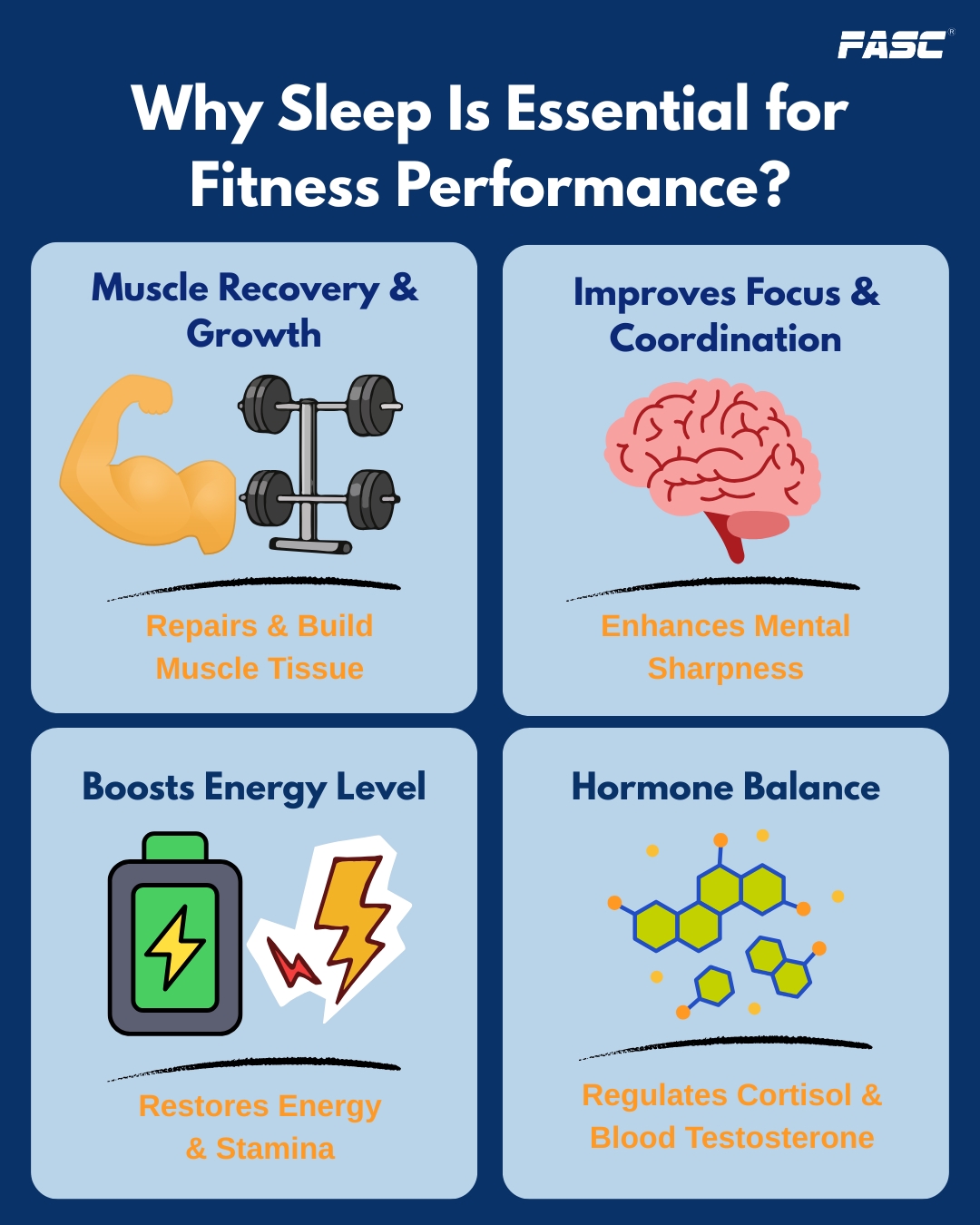
During quality sleep:
- Muscle fibers repair and grow
- Growth hormone is released
- Stress hormones decrease
- Energy levels are restored
- The nervous system recovers
When sleep quality is poor, these processes slow down. As a result, performance drops, recovery takes longer, and the risk of injury increases.
Simply put, sleep allows your training to actually work.
The Impact of Poor Sleep on Your Fitness Goals
Lack of sleep affects both physical and mental performance.

Common effects include:
- Slower muscle recovery
- Reduced strength and endurance
- Increased fatigue
- Poor focus and motivation
- Higher risk of injuries
According to the World Health Organization (WHO), poor sleep is linked to hormonal imbalance, reduced physical performance, and long-term health issues.
https://www.who.int
Even losing just one hour of sleep regularly can negatively affect recovery and overall fitness progress.
How Much Sleep Do You Really Need?
Sleep requirements vary based on activity level and training intensity.
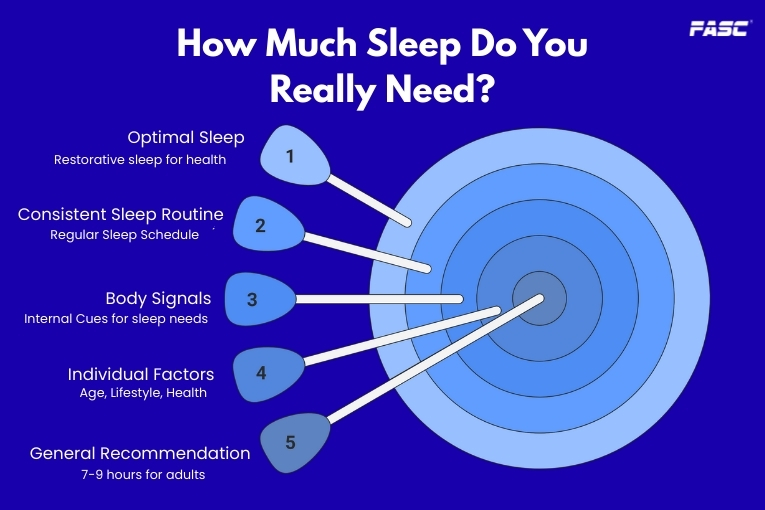
|
Fitness Goal |
Recommended Sleep |
|---|---|
|
General fitness |
7–8 hours |
|
Fat loss |
7–9 hours |
|
Muscle gain |
8–9 hours |
|
Intense training |
8–10 hours |
If you train hard but sleep less than this, your body doesn’t get enough time to recover properly.
Understanding the Stages of Sleep
Light Sleep
This is the transition phase where the body begins to relax and prepare for recovery.
Deep Sleep
The most important stage for physical recovery. Muscle repair, tissue growth, and hormone release occur during deep sleep.
REM Sleep
REM sleep supports brain function, memory, coordination, and focus — all essential for performance and consistency.
All three stages work together to ensure complete recovery.
Recovery Is More Than Just Sleep
While sleep is the foundation, recovery includes more than just resting.
1. Active Recovery
Light activities such as walking, stretching, or yoga improve blood circulation and reduce muscle stiffness.
2. Rest Days
Rest days allow the body to fully recover and prevent overtraining. Skipping rest often leads to fatigue and injuries.
3. Proper Nutrition
- Protein supports muscle repair
- Carbohydrates restore energy
- Water helps regulate muscle function
Without proper nutrition, recovery remains incomplete — even with good sleep.
Signs You Are Not Recovering Properly
Your body gives clear signals when recovery is lacking:
- Constant tiredness
- Poor sleep quality
- Lack of motivation
- Slow progress
- Frequent soreness
- Decreasing strength
Ignoring these signs can eventually lead to burnout or injury.
Simple Ways to Improve Sleep Quality
You don’t need complicated routines. Small habits make a big difference.
✔ Maintain a consistent sleep schedule
✔ Avoid screens at least one hour before bed
✔ Keep your room dark and cool
✔ Avoid heavy meals late at night
✔ Limit caffeine in the evening
✔ Practice light stretching or breathing exercises
Consistency matters more than perfection.
Overtraining vs Smart Training
Training harder does not always mean training better.
|
Smart Training |
Overtraining |
|---|---|
|
Proper recovery |
Constant fatigue |
|
Steady progress |
Frequent injuries |
|
Better performance |
Burnout |
Recovery is what turns effort into results.
Conclusion
Sleep and recovery are not optional — they are essential for long-term fitness success.
Without proper recovery:
- Muscle growth slows
- Fat loss becomes difficult
- Performance declines
- Injury risk increases
When recovery is prioritized, training becomes more effective, energy levels improve, and results last longer.
Train smart. Rest well. Let your body grow stronger naturally.
Frequently Asked Questions (FAQs)
1. Why is sleep important for fitness progress?
Sleep allows muscles to recover, hormones to balance, and energy to restore. Without proper sleep, training benefits remain limited.
2. How many hours of sleep are best for muscle growth?
Most people need 7–9 hours of sleep, while intense training may require up to 10 hours.
3. Can lack of sleep affect fat loss?
Yes. Poor sleep disrupts hormones that control hunger and fat storage, making fat loss more difficult.
4. Is recovery as important as workouts?
Absolutely. Workouts create stress, but recovery creates progress. Both are equally important.
5. What are the signs of overtraining?
Fatigue, poor sleep, mood changes, low performance, and frequent injuries are common signs.
6. Does sleep improve athletic performance?
Yes. Quality sleep improves strength, focus, coordination, and endurance.
.png)

.png)
.png)