- Fitness
Is Protein Powder Safe for Daily Use? Benefits, Risks, and a Practical Guide for Beginners and Athletes
- Feb 17, 2026
- 5 min
Key Takeaways
- Protein powder is safe for healthy individuals within recommended intake ranges.
- Muscle growth plateaus around 1.6 g/kg protein for most people.
- More protein does not mean faster gains.
- Whole foods should form the base of your diet.
- Daily protein powder makes sense only if it fills a real nutritional gap.
- Athletes benefit more from supplementation than sedentary individuals.
Protein powder has become one of the most common supplements in modern fitness. Walk into any gym and you’ll see it everywhere — in shaker bottles, gym bags, and post-workout routines. At the same time, it’s surrounded by confusion. Some believe daily use is essential for muscle growth. Others think it damages kidneys or harms long-term health.
Neither extreme is accurate.
Protein powder is not a drug. It is not a steroid. It is simply a concentrated form of protein extracted from foods such as milk (whey or casein), soy, peas, or rice. Whether it is safe for daily use depends on dosage, total diet quality, training level, and individual health status — not on fear-based myths.
Let’s break this down logically and based on actual evidence.
What Is Protein Powder - and What Is It Not?
Protein powder is a convenient way to increase protein intake. That’s it.
It does not build muscle by itself. It does not replace proper training. It does not compensate for poor sleep or inconsistent workouts.
Muscle growth happens when three things align:
- Progressive resistance training
- Adequate total protein intake
- Recovery and sleep
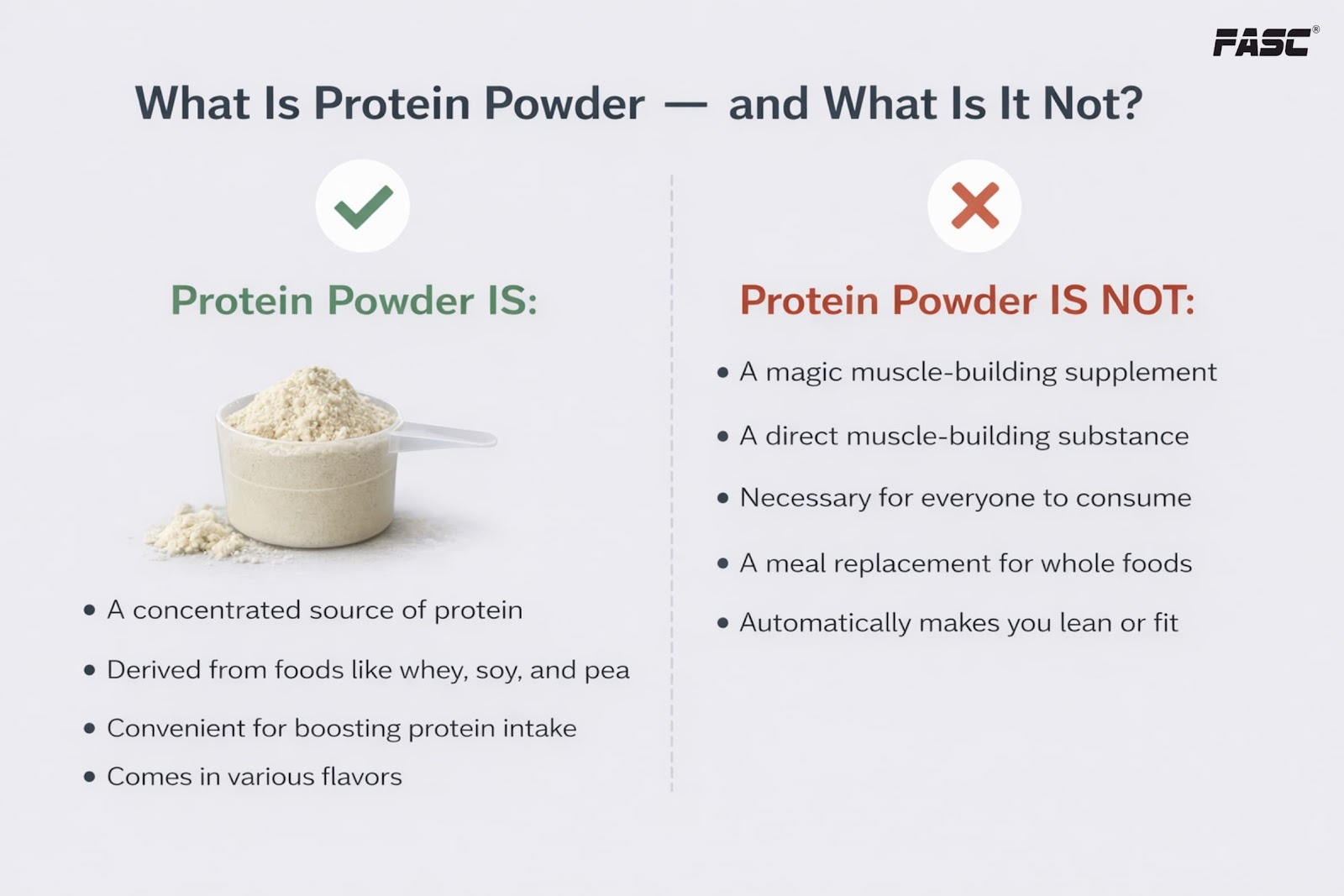
If someone already eats enough protein through real meals — such as the balanced whole-food options outlined in Best Protein Meals for Muscle Gain — then protein powder becomes optional rather than necessary.
The mistake many beginners make is thinking supplements come before structure. They don’t.
What Does Research Actually Say About Daily Protein Intake?
This is where facts matter.
The International Society of Sports Nutrition (ISSN) states that:
- Sedentary individuals need roughly 0.8 g/kg of body weight
- Active individuals benefit from 1.2–1.6 g/kg
- Strength and endurance athletes may benefit from 1.6–2.2 g/kg
Multiple meta-analyses show that muscle-building benefits plateau around 1.6 g/kg per day for most individuals. Consuming more than that does not linearly increase muscle growth.
More importantly:
Research consistently shows that higher-protein diets within these ranges are safe for healthy individuals. Studies have not demonstrated kidney damage in people without pre-existing kidney disease.
So the question isn’t “Is protein powder dangerous?”
The real question is: Are you exceeding what your body actually needs?
When Does Daily Protein Powder Make Sense?
Daily use makes practical sense if:
- You train 4–6 times per week
- You struggle to hit protein targets through meals
- You are dieting and need higher protein without excessive calories
- Your schedule makes meal prep inconsistent
It does not automatically make sense if:
- You already meet protein targets through food
- Your activity level is low
- You are drinking multiple shakes without tracking intake
Protein powder is a tool. If there’s no gap to fill, there’s no reason to force it.
Is Protein Powder Hard on the Kidneys?
This is the most common fear.
Here’s the reality:
In healthy individuals, research does not show that protein intake within recommended athletic ranges harms kidney function. Concerns mainly apply to individuals who have already been diagnosed with kidney disease.
High protein intake increases workload on kidneys — yes — but that does not equal damage in healthy people. The human body adapts to increased intake just as it adapts to exercise stress.
The problem appears when someone consumes excessive amounts without need — 3–4 scoops daily on top of a high-protein diet — simply because they think “more equals faster results.”
It doesn’t.
Does Timing Matter? Is Post-Workout Protein Mandatory?
Protein timing has been exaggerated.
Yes, consuming protein after training supports recovery.
No, there is no magical 30-minute anabolic window.
Total daily protein intake matters more than exact timing.
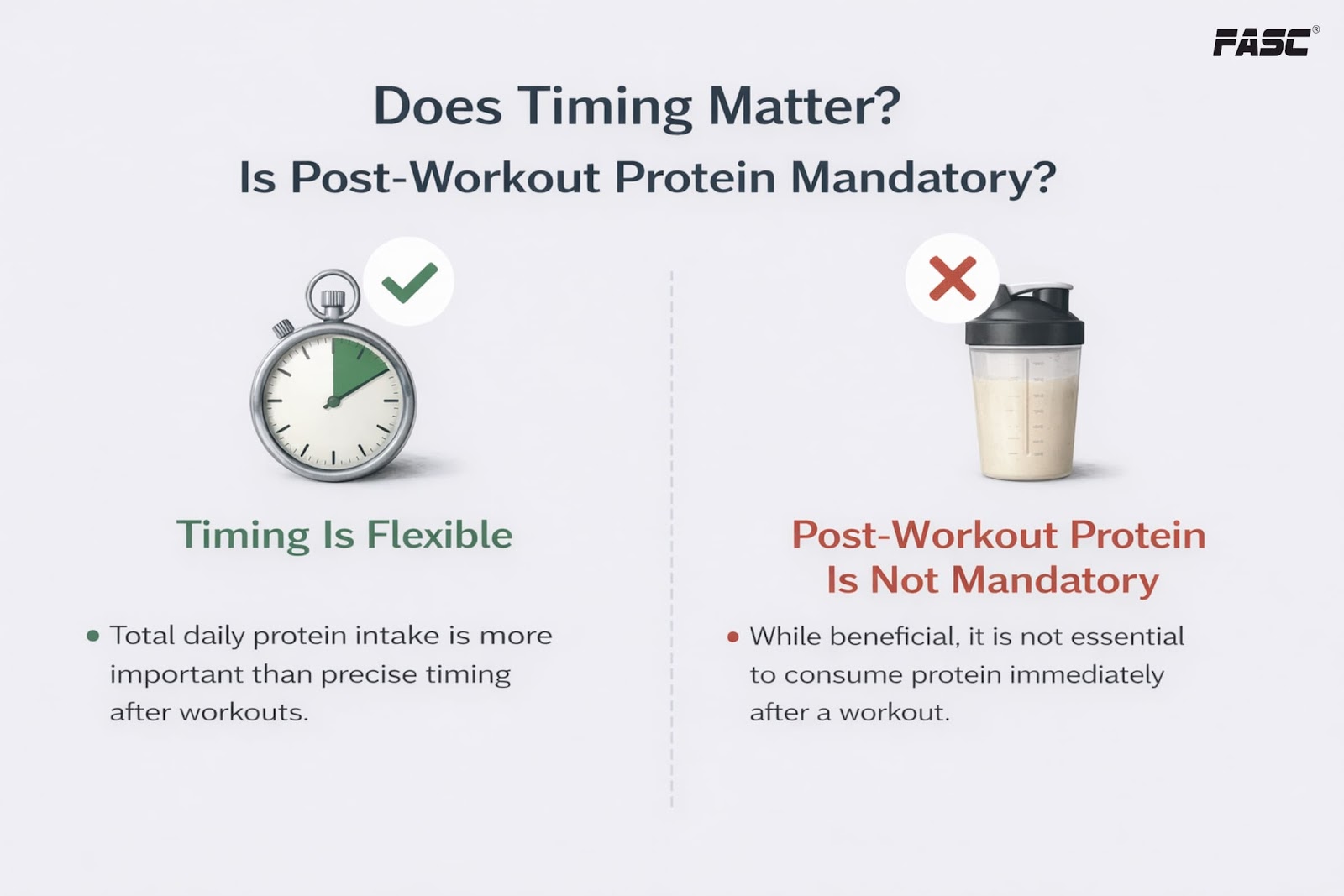
If someone understands broader nutrient timing principles - like those explained in Pre- and Post-Workout Nutrition Guide — they’ll see that overall diet structure carries more weight than a single shake immediately after lifting.
Protein Powder for Beginners vs Athletes
General Public
For the average gym-goer training three times per week, protein powder is optional. It’s convenient, but not mandatory. Whole foods can meet requirements easily if meals are structured properly.
Competitive Athletes & Combat Sports
Athletes training multiple times per week have higher recovery demands. In those cases, protein powder becomes more practical — not because it’s superior to food, but because it reduces logistical stress.
However, protein powder should never be viewed in isolation. It fits within a broader supplement framework, as discussed in Best 7 Must Have Supplements for Athletes. Even at higher levels, training, sleep, and caloric balance still matter more than supplementation.
Common Mistakes That Actually Cause Problems
Most “side effects” come from poor usage, not from protein itself.
Here’s what people do wrong:
- Using protein shakes as meal replacements daily
- Buying cheap, low-quality products loaded with fillers
- Consuming protein far beyond physiological need
- Ignoring hydration
- Forgetting total calorie intake
Protein powder does not cause fat gain.
Calorie surplus does.
Protein powder does not build muscle alone.
Progressive overload does.
How Much Protein Powder Is Actually Safe Per Day?
There is no universal “two scoops rule.”
The correct approach:
- Calculate your total protein need based on body weight and activity.
- Subtract what you already eat from whole foods.
- Use protein powder only to fill the gap.
For most people, that means one scoop per day — or none at all.
Multiple scoops daily only make sense in high-training phases where food intake genuinely cannot meet requirements.
How to Choose a Quality Protein Powder
If you decide to use it daily, quality matters.
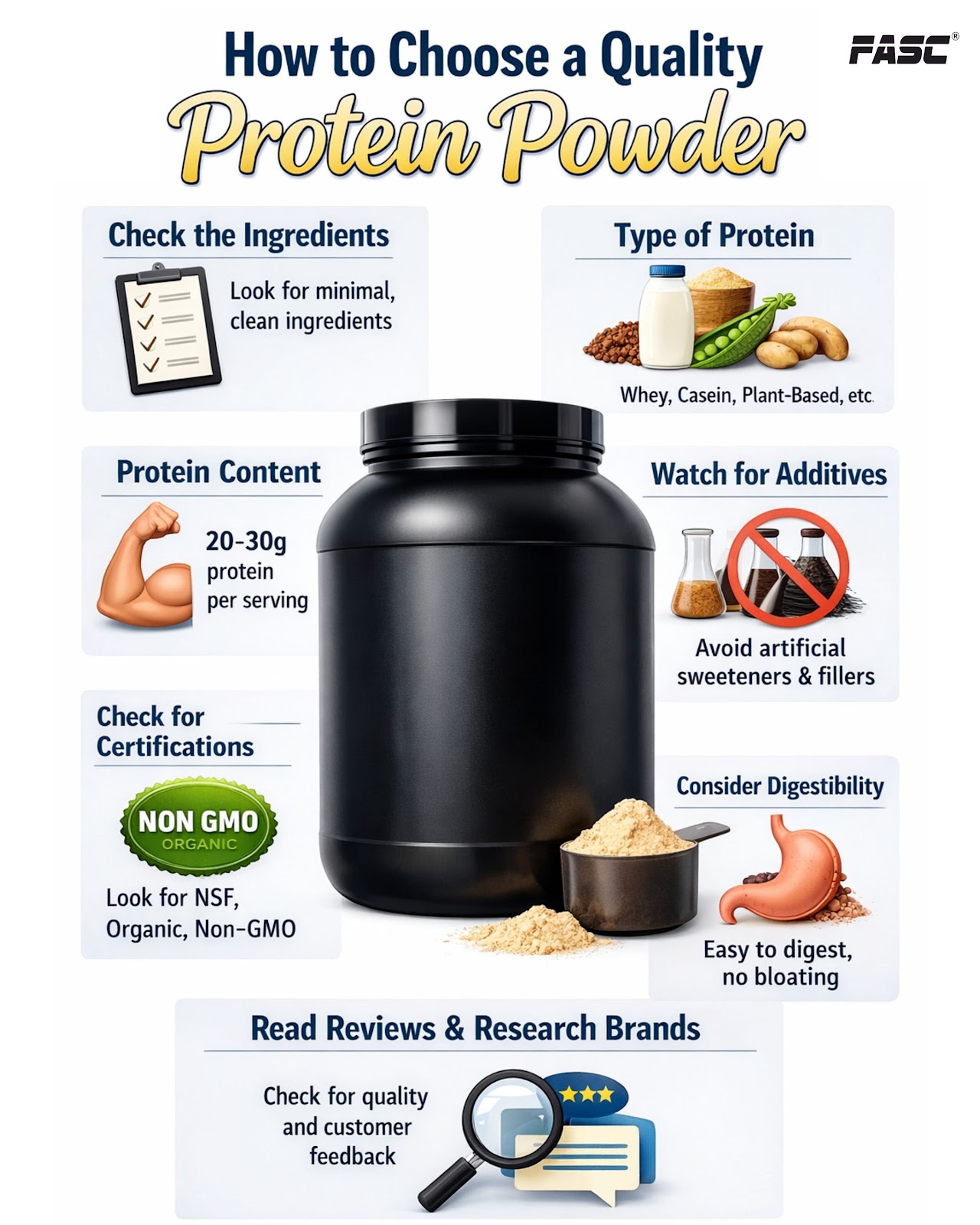
Look for:
- Transparent ingredient list
- Third-party testing
- Minimal artificial additives
- Reasonable protein per serving (20–25g typical)
Avoid brands making extreme transformation claims. Supplements support training — they don’t replace it.
Conclusion
Protein powder is neither a miracle nor a menace. It is a practical nutritional tool. Used intelligently, it supports recovery and helps meet protein targets. Used excessively or unnecessarily, it becomes wasted calories and money.
The real driver of progress remains unchanged: structured training, sufficient recovery, consistent nutrition, and patience.
If protein powder fits into that system, use it.
If it doesn’t, you don’t need it.
Frequently Asked Questions
Is it safe to drink protein shakes every day?
Yes, if total protein intake remains within appropriate ranges and overall diet quality is balanced.
Can protein powder cause kidney damage?
Not in healthy individuals consuming recommended amounts. Those with kidney disease should consult a medical professional.
Do I need protein powder to build muscle?
No. Muscle growth depends on training stimulus and adequate total protein intake, whether from food or supplements.
Can protein powder make you gain fat?
Only if it pushes total calories into surplus.
Is whey better than plant protein?
Whey is slightly higher in leucine and digests quickly. Plant proteins can work just as well when total intake is adequate.
.png)
.png)
.png)