- Sports
The Impact of AI and Data in Modern Sports Coaching
- Jun 10, 2025
Key Takeways:
- AI and data are revolutionizing modern sports coaching, replacing gut instinct with precision.
- Coaches now rely on real-time data from sensors and wearables for sharper decision-making.
- AI-driven video analysis uncovers detailed insights into athlete performance and technique.
- Personalized training plans are now tailored using biometric data and adaptive AI systems.
- AI and data are reshaping coaching into a smarter, more dynamic, and deeply human endeavor.
The excitement of the crowd, the perfectly executed plays, the incredible athleticism – these are some of the factors that define modern sports. But beneath these show-stopping moments, a silent, powerful revolution is going on:Artificial Intelligence (AI) and vast amounts of data are now deeply changing sports coaching. The days when coaches relied only on their gut feelings and past experiences seems to be over now.
Today, coaches are tapping into advanced AI algorithms and detailed data analysis. This allows them to precisely understand and refine athletic performance, ultimately redefining what it means to strive for excellence in sports. This shift is happening right now. Its impact is huge and wide-ranging, touching everything from top professionals.
In this blog, we’ll walk you through the profound impact of AI and data in modern sports coaching.
The Rise of the Data-Driven Coaching
The modern sports coaching landscape has undergone quite a transformation, marked by the undeniable "Rise of the Data-Driven Coach." Today's coaches don't just rely on gut feelings or what they see. Instead, they're using advanced AI and huge amounts of data to make every decision, whether it's developing individual athletes or planning detailed game strategies.

This shift is driven by the availability of data from sensors, high-definition cameras, GPS trackers, and biometric monitors, providing an unprecedented understanding of athlete performance, physical condition, and tactical execution.
Key Impacts of AI and Data in Coaching
AI and data are fundamentally reshaping how sports coaching operates. They provide coaches with unprecedented tools to analyze performance, optimize training, and strategize with a new level of precision.
1. Performance Analysis and Optimization
AI-powered video analysis has become a base of modern coaching. Cameras track every player's movement, providing data on speed, acceleration, deceleration, and even the nuances of their gait. AI algorithms can then analyze this footage to:
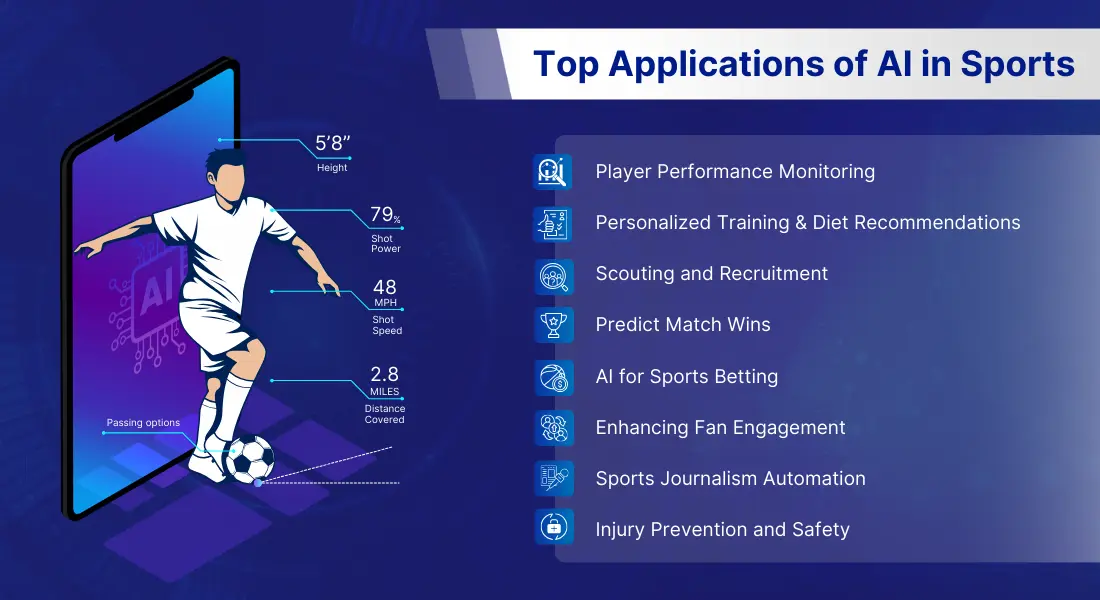
AI changes this by:
-
Identify Strengths and Weaknesses
Pinpoint specific technical flaws in a player's form, analyze their decision-making under pressure, and highlight areas for improvement. For example, a basketball coach might use AI to analyze a player's shooting mechanics from different areas of the court, identifying inconsistencies that need to be addressed.
-
Compare and Contrast
Benchmark individual and team performance against historical data, opponents, or even ideal models, revealing trends and deviations. This allows coaches to objectively assess progress and identify areas where training needs to be adjusted.
2. Personalized Training Regimes
One of the most significant benefits of AI and data is the ability to create truly individualized training plans. Every athlete is unique, with different strengths, weaknesses and AI can help in altering customized training programs for the athletes.

AI changes this by:
-
Tailoring Workloads
Based on an athlete's biometric data, training history, and current performance, AI can recommend optimal training loads, intensity, and recovery periods. This ensures that each athlete is challenged appropriately without being pushed to the point of injury or burnout.
-
Adapting in Real-Time
AI-powered coaching platforms can dynamically adjust training plans based on an athlete's daily performance, fatigue, or even mood reported through simple inputs, creating a highly responsive and effective coaching environment.
3. Proactive Injury Prevention and Rehabilitation
Injuries are a significant concern in sports, impacting both athlete careers and team success. AI and data analytics are revolutionizing injury prevention by enabling a proactive approach:
AI changes this by:
-
Predictive Analytics
By analyzing vast amounts of historical data, including training loads, injury history, biomechanical patterns, and even sleep quality, AI models can identify early warning signs and predict the likelihood of specific injuries. This allows coaches and medical staff to intervene before an injury occurs.
-
Optimized Rehabilitation
For athletes recovering from injuries, AI can monitor progress, suggest appropriate rehabilitation exercises, and indicate when it's safe to return to play, minimizing the risk of re-injury.
4. Advanced Game Strategy and Tactical Analysis
AI's ability to process and understand complex patterns extends beyond individual athletes to the dynamics of the entire team and opposing squads:
-
Opponent Scouting
AI can analyze vast amounts of game footage and statistical data on opponents, identifying their preferred formations, offensive and defensive tendencies, individual player strengths and weaknesses, and common plays. This provides coaches with a granular understanding of the opposition.
-
Real-Time Tactical Adjustments
During a game, AI systems can provide real-time insights into tactical effectiveness, identifying areas where the team is excelling or struggling. This allows coaches to make data-driven substitutions or tactical changes on the fly, maximizing their competitive edge.
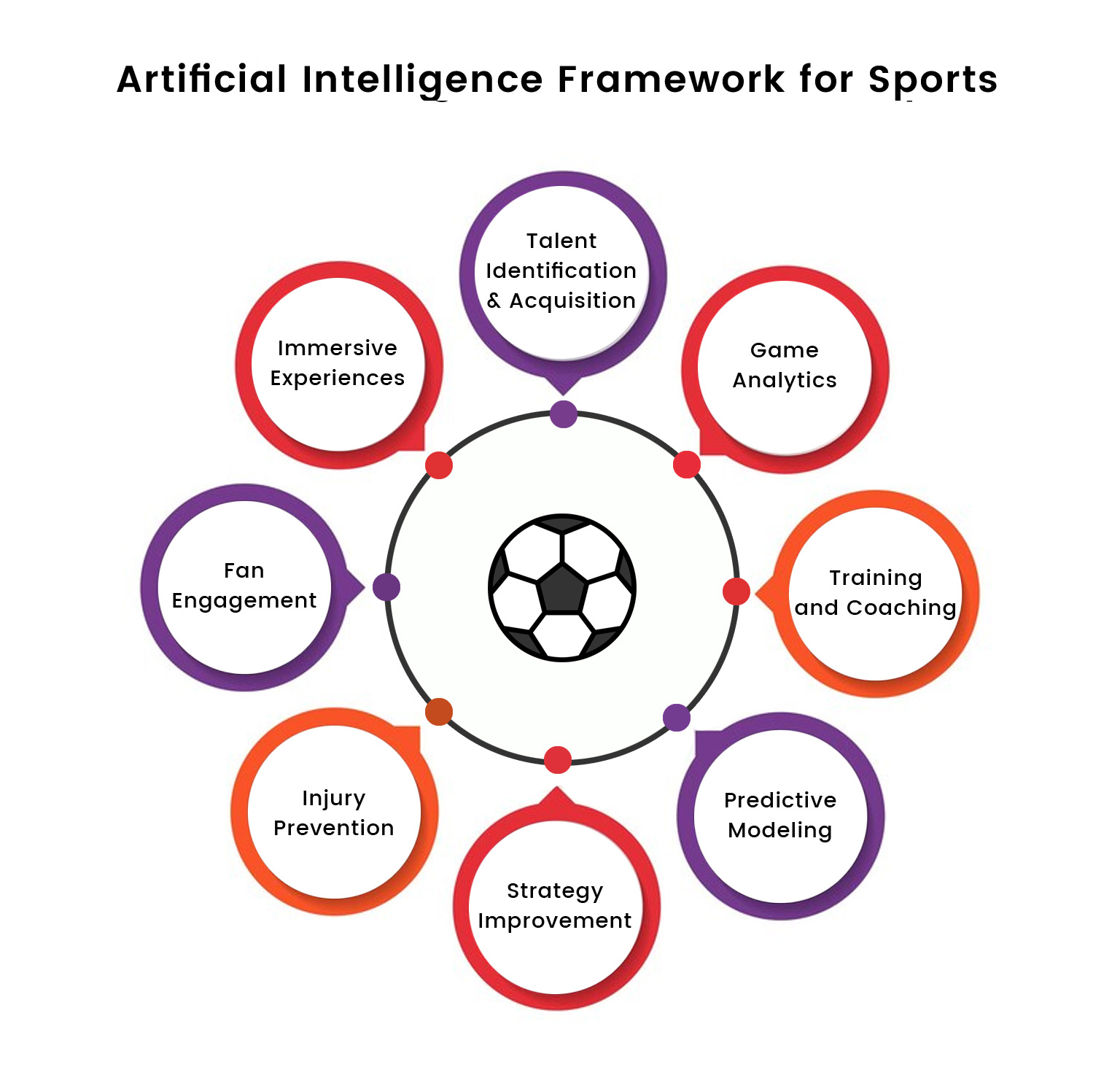
5. Enhanced Talent Identification and Recruitment:
The traditional methods of talent scouting, often reliant on subjective observations and limited data, are being augmented by AI:
-
Objective Assessment
AI can analyze a wider range of objective performance metrics from a diverse pool of athletes, including those from less traditional scouting grounds. This helps identify hidden gems who might be overlooked by human scouts.
-
Fit Analysis
AI can analyze how a prospective player's skill set and playing style would complement existing team members, ensuring a better fit within the team's tactical framework.
Ethical Considerations and the Human Element
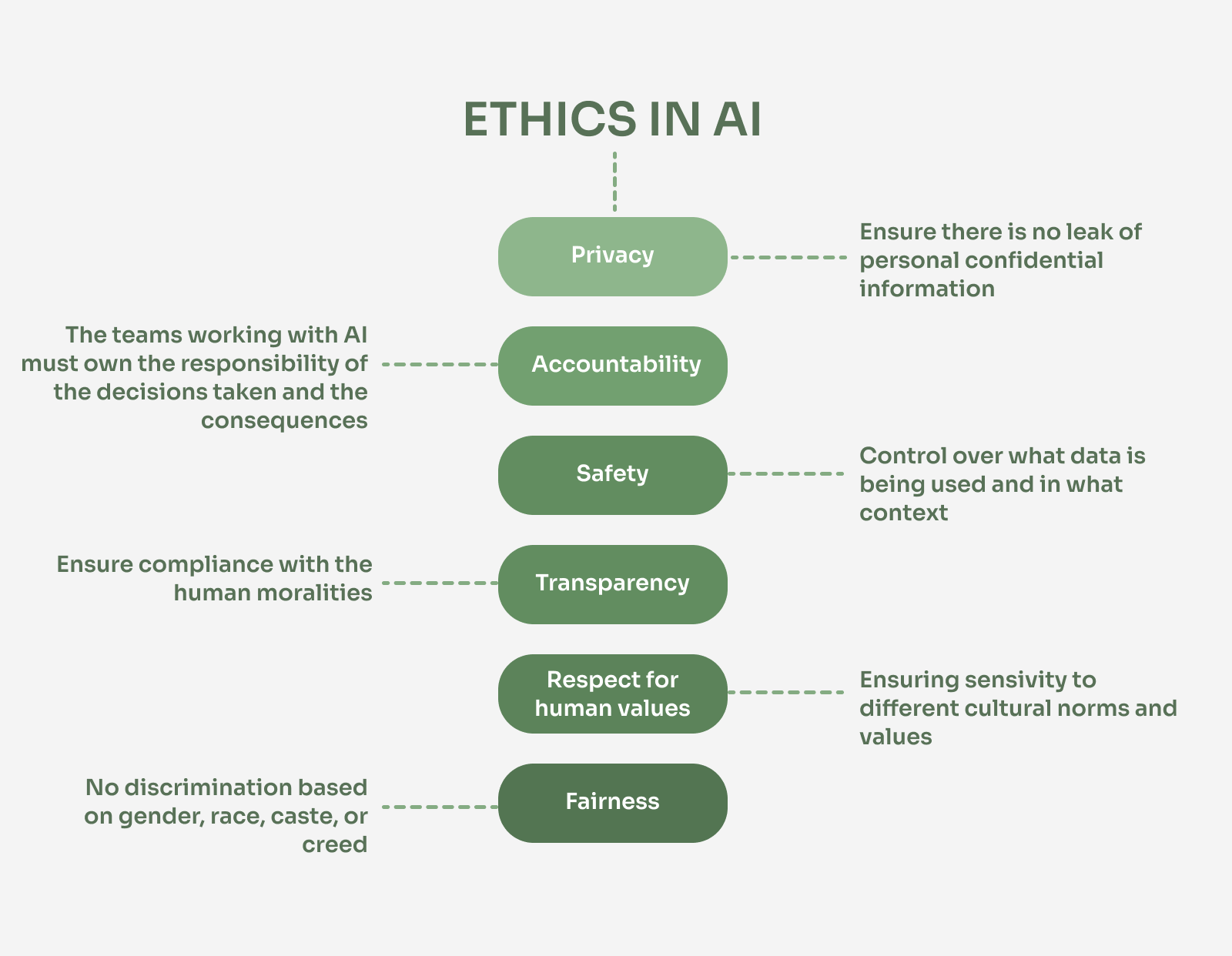
While the benefits of AI and data in sports coaching are undeniable, it's crucial to acknowledge and address the ethical considerations and the enduring importance of the human element. Striking the right balance ensures that technology enhances, rather than diminishes, the
1. Data Privacy and Security
The collection of vast amounts of sensitive athlete data raises significant privacy concerns. Robust security measures and clear policies regarding data ownership, usage, and sharing are paramount to protect athletes' personal information.
2. The Dehumanization of Sport
There's a risk that an over-reliance on data and algorithms could diminish the role of human intuition, creativity, and the intangible aspects of coaching like motivation, mentorship, and team cohesion.
Conclusion
In conclusion, the impact of AI and data in modern sports coaching is nothing short of transformative. It is elevating the science of sports to new heights, empowering coaches to optimize every facet of an athlete's performance, from physical prowess to strategic acumen. As these technologies continue to mature, sports will become even more exciting, pushing the boundaries of human potential. The future of coaching is intelligent, data-driven, and most importantly, still deeply human.
This powerful synergy means coaches can now make more informed decisions than ever, fostering an environment where athletes can truly reach their peak while staying healthier and more resilient.
FAQ's
1. How is AI changing the role of coaches in sports?
AI enhances coaching by providing data-driven insights, allowing coaches to analyze performance, optimize training, and make real-time strategic decisions with greater accuracy than ever before.
2. What kind of data is used in AI-powered sports coaching?
Coaches use data from GPS trackers, biometric monitors, high-speed cameras, and performance metrics to assess player movement, workload, health, and tactical execution.
3. Can AI help prevent injuries in athletes?
Yes, predictive analytics in AI can identify early warning signs based on historical data, helping prevent injuries and guiding personalized rehabilitation strategies.
4. How does AI personalize training for athletes?
AI creates customized training plans by analyzing individual biometric data, performance trends, and fatigue levels, and can adapt workouts in real-time based on daily conditions.
5. Are there any downsides to using AI in sports coaching?
While AI offers powerful advantages, concerns include data privacy, over-reliance on technology, and the potential loss of human intuition, creativity, and emotional connection in coaching.

.png)
.png)
.png)