- Sports
Yoga vs Stretching: What's the Difference and Which Is Better for Flexibility?
- Sep 01, 2026
- 4 min
Key Takeaways
- Yoga combines flexibility with movement, balance, strength, breathing and body awareness.
- Stretching focuses more directly on improving flexibility and range of motion.
- Stretching can be useful when you want to target a specific tight or restricted area.
- Yoga can provide a broader movement practice rather than focusing only on flexibility.
- Yoga and stretching can complement each other instead of being treated as competing options.
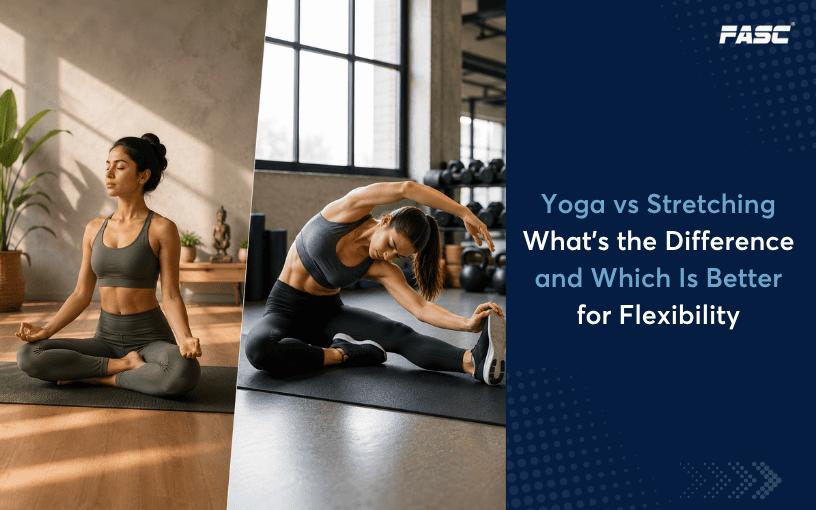
Yoga and stretching are usually treated as inseparable. As both involve moving into positions that lengthen muscle and improve flexibility.
But yoga is broader than stretching. A yoga session can include controlled movement, balance, strength, breathing and periods of stillness, while stretching has generally a more specific goal of improving or maintaining range of motion.
The American Heart Association also recognises flexibility exercise as an important part of overall fitness and notes that yoga can contribute to flexibility, balance and strength.
What Is Yoga?
Yoga includes stretching, but stretching is only one part of the practice.
Depending on the style, yoga may involve holding postures, moving through sequences, balancing, controlled breathing and building awareness of how the body moves.
Some yoga poses require you to support your body weight or maintain a position under control.
For example, standing balances, planks and certain transitions challenge stability and muscular control in ways a basic stretching routine may not.
This is one reason yoga can offer a broader physical practice than stretching alone. In one randomised controlled trial involving sedentary older adults, regular Hatha yoga and conventional stretching-strengthening exercise both improved several measures of functional fitness.
What Is Stretching
Stretching involves deliberate lengthening of muscles or moving joints through a range of motion. It can be used as a warm up, after exercise or as a separate flexibility routine. The type of stretching also matters.
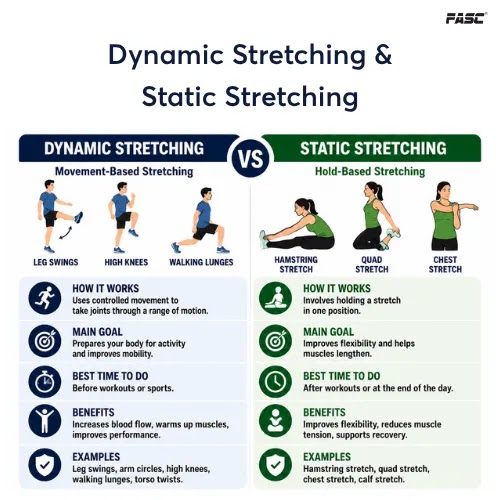
1. Static Stretching
Static stretching involves moving into a position and holding it for a long time.
For example, you might stretch your hamstrings and hold the position without moving further. This type of stretching is commonly used to improve flexibility and range of motion over time.
2. Dynamic Stretching
Dynamic stretching involves controlled movements through a range of motions rather than holding a position.
Leg swings, arm circles, and controlled lunges are usual examples. Dynamic movements can be particularly useful when preparing for physical activity.
The goal is not to stretch as far as possible. A good stretch should be controlled and should not cause pain.
Which Is Better For Flexibility
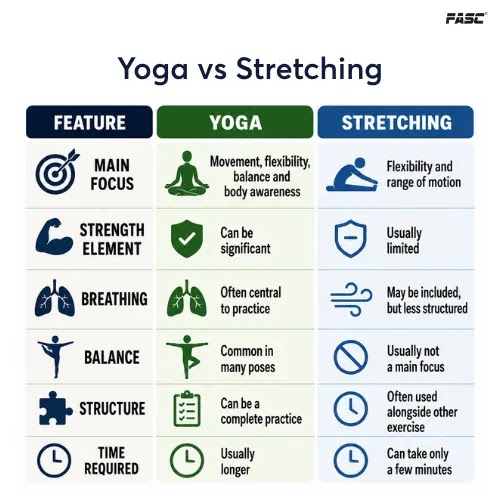
If your goal is to only improve flexibility in a certain part, stretching is the more direct approach.
For example, if your calves, hamstrings or shoulders feel restricted, a focused stretching routine can target those areas without requiring a full yoga session.
Yoga can also improve flexibility, but its benefits extend beyond simply increasing range of motion.
When Stretching May Be More Useful
Stretching may suit you if you:
- Want to target a specific tight area
- Need a short routine
- Want to improve range of motion in particular movements
- Already follow another form of exercise
When Yoga May Be More Useful
Yoga may be a better fit if you want to work on:
- Flexibility and mobility
- Stress, Anxiety and Mental Health
- Balance and body control
- Strength in certain positions
- Breathing and movement awareness
- A structured movement practice
- Burnout Recovery
Neither option needs to replace the other. Either you can combine both for better results.
How to Combine Yoga and Stretching
You do not have to choose between them.
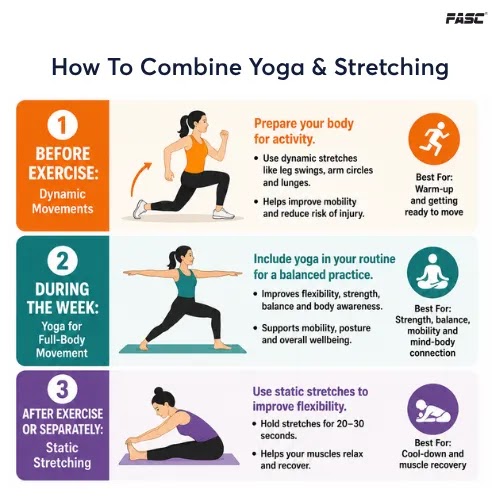
A practical approach could be:
-
Before exercise: Dynamic movements to prepare for activity
-
During the week: Yoga for a broader movement practice
-
After exercise or separately: Targeted stretching where needed
The American Heart Association recommends stretching when muscles are warm and moving smoothly into a comfortable range rather than forcing a position.
For yoga or floor based mobility sessions, a stable surface can make movements more comfortable. Konex Yoga Mat can provide a stable surface for regular practice without making the equipment the focus of your routine.
If you include self massage or recovery work alongside stretching, a tool such as FASC Yoga Roller can also be a part of a broader mobility routine.
Conclusion
Yoga and stretching may look similar from the outside, but they serve different purposes.
Stretching is generally more focused on flexibility and range of motion. Yoga can include stretching while also challenging strength, balance and body awareness.
The better choice depends on what your body and routine need. If you have just five minutes and one area of your body feels restricted, stretching may be enough. If you want a more complete movement, yoga does offer more.
The important thing is to move consistently rather than searching for one method that does everything.
Recommended Products From Yoga Coach
Frequently Asked Questions
1. Is yoga better than stretching for flexibility?
Not necessarily. Both can improve flexibility. Stretching may be more direct for a specific area, while yoga provides a broader movement practice.
2. Can I do yoga and stretching on the same day?
Yes. Yoga and stretching can be combined, especially if the additional stretching targets areas that need more attention.
3. Should I stretch before or after yoga?
It depends on the type of yoga. A gentle yoga practice may already include mobility and stretching. Additional stretching is not always necessary.
4. Does yoga improve mobility?
Yoga can support mobility through controlled movement, balance and flexibility. However, mobility may also benefit from strength training and other movement practices.
5. How often should I do yoga or stretching?
Consistency matters more than doing very long sessions. A routine you can repeat regularly is usually more practical than an occasional intensive session.
Share :